Originally Posted by
cyccommute
But the exhaust is a lot hotter than the surrounding air and rises, mixing with the ambient air. The cars moving through the air provide further mixing. There are simpler explanations. Bridges, for example, tend to ice readily. Part of that is because the bride has a lower thermal mass than the road ways and so cool more rapidly but bridges are commonly over waterways. Water in river and lakes saturate the air and, when the temperature drops, the water has to go somewhere. A bridge is a convenient condenser. As water freezes, it releases heat causing the air around the bridge to rise. Colder, denser air moving to fill the void and condenses the water on the bridge which starts the cycle all over.
Bridges in Colorado don't ice as much as they do in your area for a couple of reasons. Our higher altitude results in a lower pressure and less water in the air. Our rivers...largely because of our altitude and lower water content...are smaller. A "major" bridge over a river in Colorado is, maybe, 90 feet long. Take the Mississippi River where the I-35w bridge crosses it, cut it down by a quarter and reduce the depth to about 18". Thats a "major" waterway around here. There just not enough water to saturate the air around the Platte "River" so that we get a lot of bridge icing from the cold.
I suspect that neither you nor Sixty Fiver see black ice formation during the day while traffic is moving. The kind of ice you are seeing forms over night when traffic is light and the air isn't being mixed as turbulently. There could be some increased water content lingering from the cars after traffic stops but, compared to the water available in the atmosphere, it's still minor.
Bridges do ice up easier (most of them not even over open water in the winter) but I'm not talking about bridges. Yes hot air rises, eventually - if there is no force moving it any other way. Exhaust is often directed down.
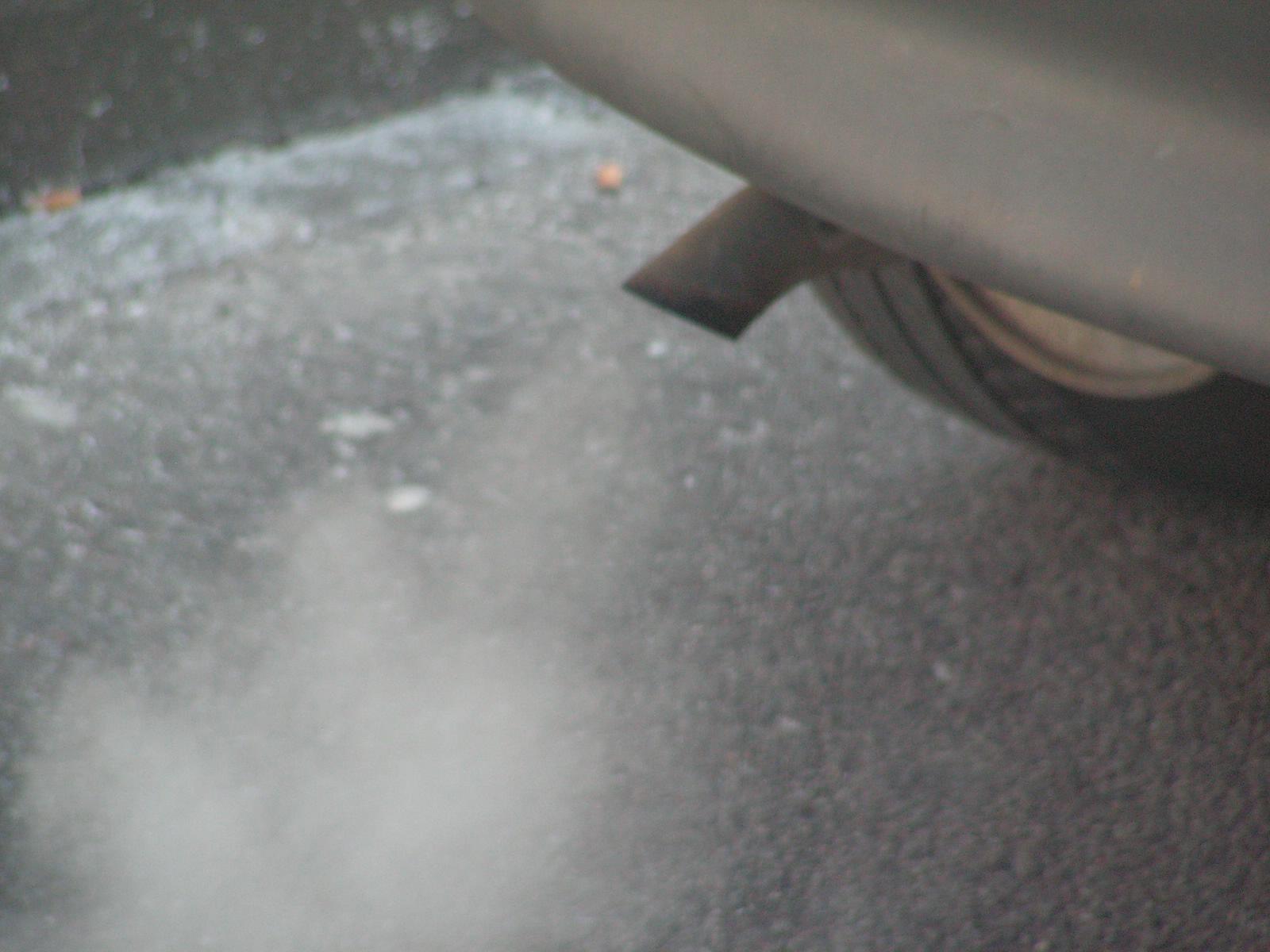
Look. This is known phenomena. Not an urban legend or something we are making up.