"Do this, do that". Try this, try that"....
Assuming that all of the obvious variables like frame size, tire size and tire pressure and all those other issues have been addressed then look at the saddle.
An amazing number of cyclists have never understood the mysteries of saddle adjustments!

Some saddles will never be comfortable for the owner's riding style and requirements.
For example many novice riders think that a cushy saddle with 3"+ of foam or gel is ideal. Unfortunately after about 5 miles the rider sinks down into the tush cush and they become uncomfortable because of inappropriate pressure to sensitive areas.

Find a saddle that is close to a riders requirements and then start adjusting it until the position becomes comfortable: saddle height, front to rear positioning and nose angle are easy to adjust.
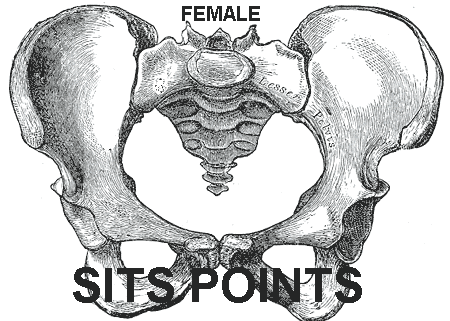
Riders should understand that there are only 2 small area of their derrière that pressure is acceptable: the "sits points" which are high (or low ) points on the pelvic bones. The areas are not well enervated (not many nerves) and the flesh over those points gets tough after a short amount of time (or should). The points are usually wider in women than in men.

If (when) that doesn't solve the problem start looking at other saddles.
Eddy Merckx adjusting his saddle on the fly. He injured his pelvis in a crash in 1969 and experienced pain while riding during the rest of his career. He was continuously adjusting or changing saddles.

I'm not Eddy but I find that even a minor adjustment of 1/8" in saddle height 1°- 2°in nose angle can make a difference in comfort for me. It changes depending on how much riding I'm doing.
When my saddle is properly adjusted my weight is distributed between my bottom, my legs and my hands. It feels like it's not there!

verktyg retro grouch
