Originally Posted by
ofajen
Another figure here from the article I linked. This is figure 2, which parses the components of the overall power requirement for a drop bar, racing bike. Note how dominant the air resistance term becomes at higher speeds. Most of what’s left over is energy loss in the tires (until you reach about 30mph, as I read it.)
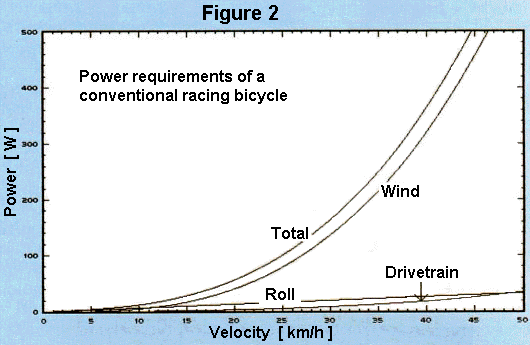
So, not that surprising to see only some few percent difference in cheap and expensive bikes, probably divided between the differences in tires plus the marginal but measurable impact of a lighter bike during climbs where the gravity term is significant and usually dominant.
Otto
Yeah that sounds reasonable. His test was just going for a ride so he was likely stopping at junctions and lots of variables. Lighter bikes are easier to get up to speed, easy to push off and get going each time you stop and a bit easier on the hills but I do
remember seeing a comparison where a heavier bike with higher gearing was actually faster on a relatively flat course with no stopping. Also a bike that had larger thicker tyres travelled faster on rough ground which again was at a weight disadvantage.
Ultimately you configure your bike for the best specification for you. I'd rather have a comfortable safe bike that gives me the best exercise in order to lose more calories. I actually think a hybrid is a great option for general riding. Versatile and strong.