Only the 3 main tubes on Peugeot
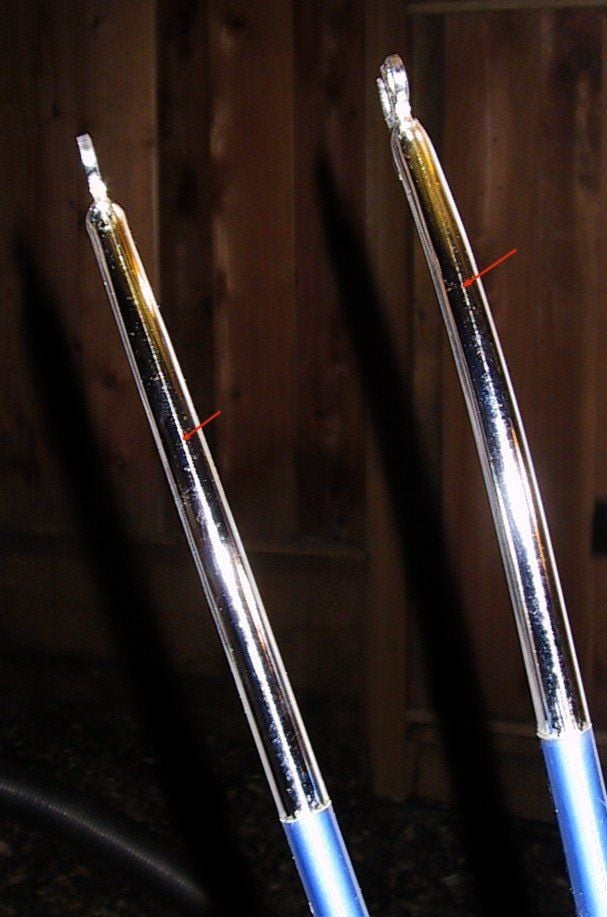
PR-10 models where made of Reynolds 531 tubing. The rear stays were made of Peugeot's "TUBE SPECIAL ALLEGE" tubing. The fork blades were made of sheet steel rolled into the shape of a fork blade then brazed down the back sides.
During the 70's (maybe earlier and later too) Peugeot used these style forks on most models from the
PR-10 down. They worked OK until a bike was in a front ender. I discovered this about 1974 when a customer brought a UO-8 in with a bent fork. I was pretty good at straightening non-alloy steel forks by hand or in our fork straightener. As soon as I applied some pressure in the straightener the "blades" split like a banana peel!
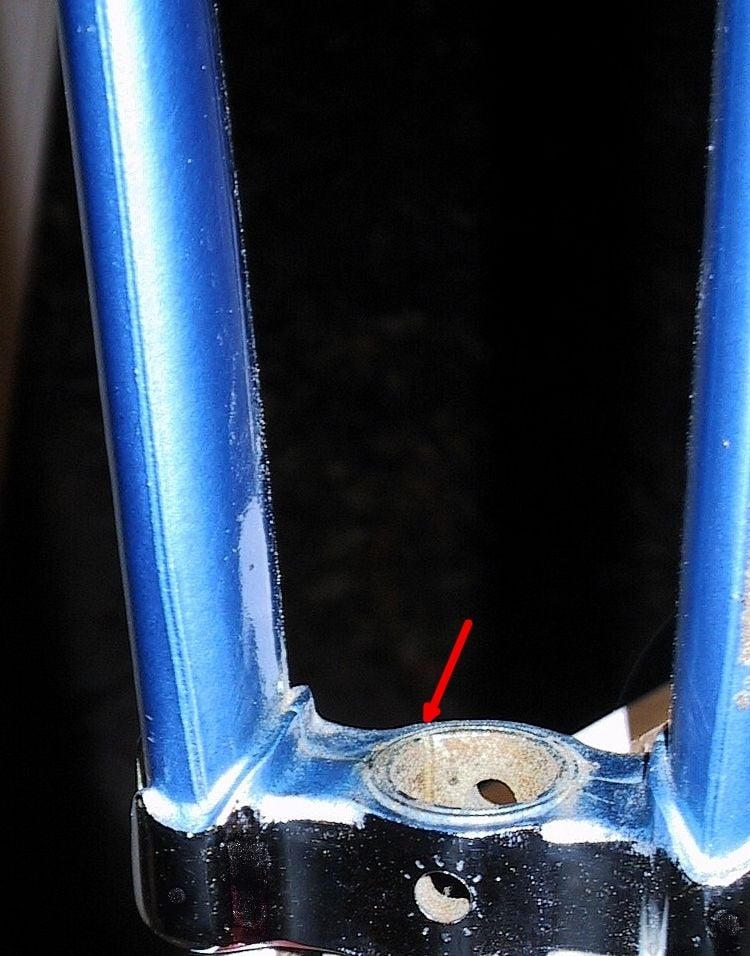
You can clearly see the seams in this fork. The other "tell", most
PR-10s had chrome plated stamped steel fork crowns.
 PR
PR-10s came with Stronglight 49 cranks, MAFAC Racer brakes and Simplex derailleurs. Many/most originally had sewups.
The 2 photos of the white frame are red herrings that are confusing. The top picture of a black frame is the OP's,
The aluminum serial number plate on the OP's frame would suggest late 60's early 70's. Same with the Reynolds 531 sticker on the seat tube. These stickers can help pin down the year a little closer:
Pre 1974 Reynolds 531 "3 TUBES RENFORCES" - 3 tubes butted.

Post 1974 sticker.

Most
PR-10 owners are very happy with the ride and handling of their bikes. They were designed to match the performance of Peugeot's top model, the PX-10 at a more affordable price (BITD).
verktyg
