Since then, I have learned that the number one thing worth doing is to get your wheels spoke tensions and trueness checked and corrected by a reliable, know good wheel mechanic.
This is a myth that just won’t die! Everyone seems to assume that all wheel builders except for the one that
they use is incompetent. Spoke tension and the trueness of the wheel have very little to do with spoke breakage simply because most wheels have reasonably tensioned and generally true. If spoke tension were all that there was to making a study wheel for a heavy load, you could use a 16 spoke wheel for loaded touring. Obviously, that is not true. Generally, more spokes are added to decrease loading and stress on individual spokes on heavily loaded wheels for a good reason. The more spokes the wheel has, the lower the stresses on an individual spoke.
The Hjertberg article I linked to above does a very good job of explaining why stronger spokes go a long way to making a wheel more durable. No where in that article does he mention spoke tension because I’m sure he assumes that the tension has already been addressed.
Getting the spokes tensioned properly and trued goes a huge way towards avoiding a broken spoke issue--as does not using too high pressures that will transmit a lot more impacts into the wheelset, and of course the easy one---using common sense and not bashing your bike into potholes, over curbs, whatever, when you have an extra touring load on it.
Tire pressure has a different effect on spoke tension but transmitting impacts isn’t all that important. Impacts cause the spoke tension to go
down at the spokes closest to the impact because the rim deflects upward momentarily. The rim slides up the spoke because it isn’t fastened to the spoke which detensions the spoke. As the spoke
retensions the head can undergo stress that can cause it to eventually fail but the impact itself doesn’t transmit force through the spoke. Below is a simplified illustration of what happens.
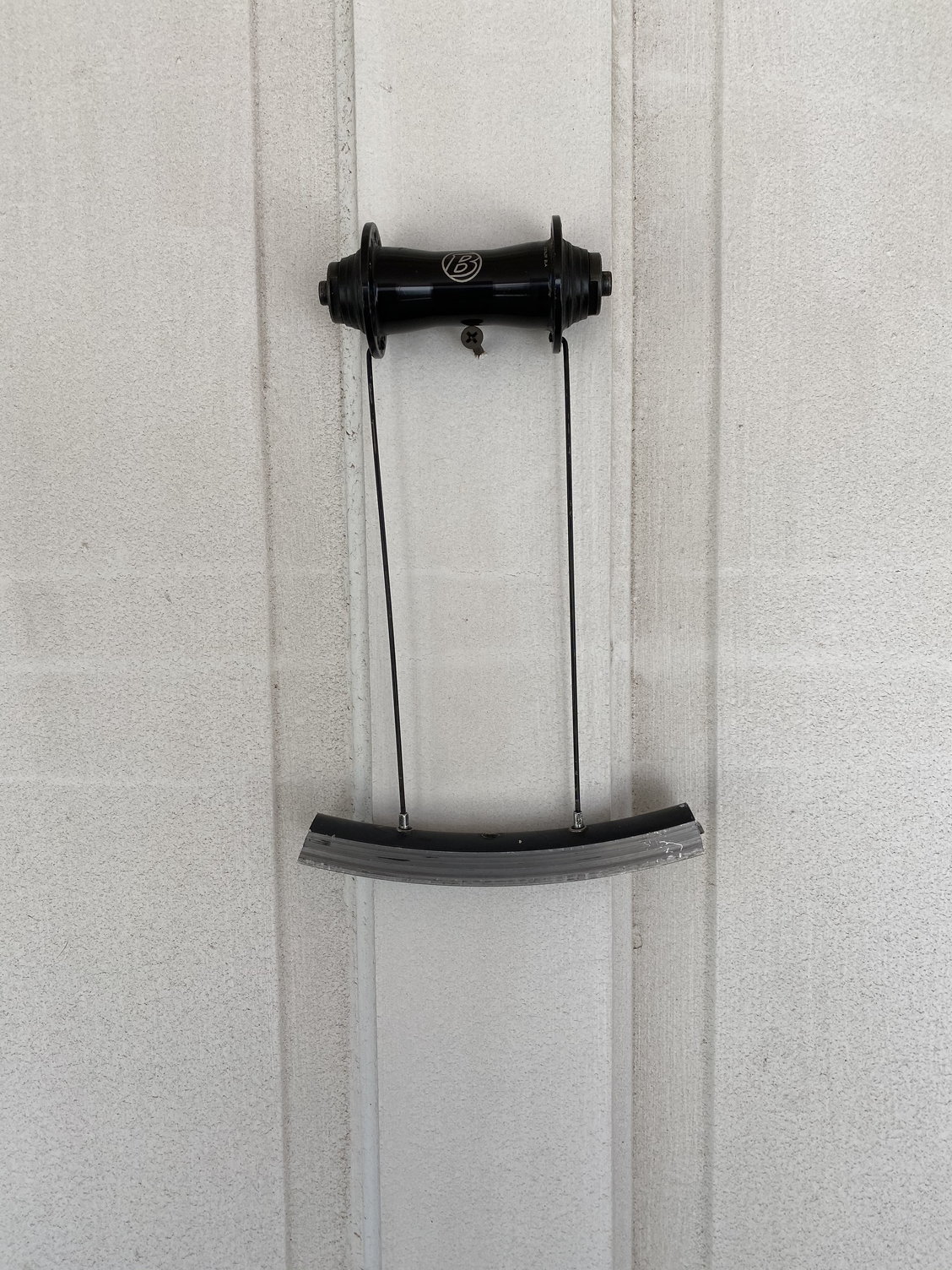
On impact the rim slides up on the spoke and the tension decreases slightly. The fact that the rim isn’t attached to the spoke is also the reason that I argue that rim strength has little to do with wheel strength. If the spoke were attached to the rim and under compression like a wagon wheel or a car wheel, the rim strength would be important. But when it is free to move, it provides very little strength. If we use stronger spokes, we can use lighter rims.
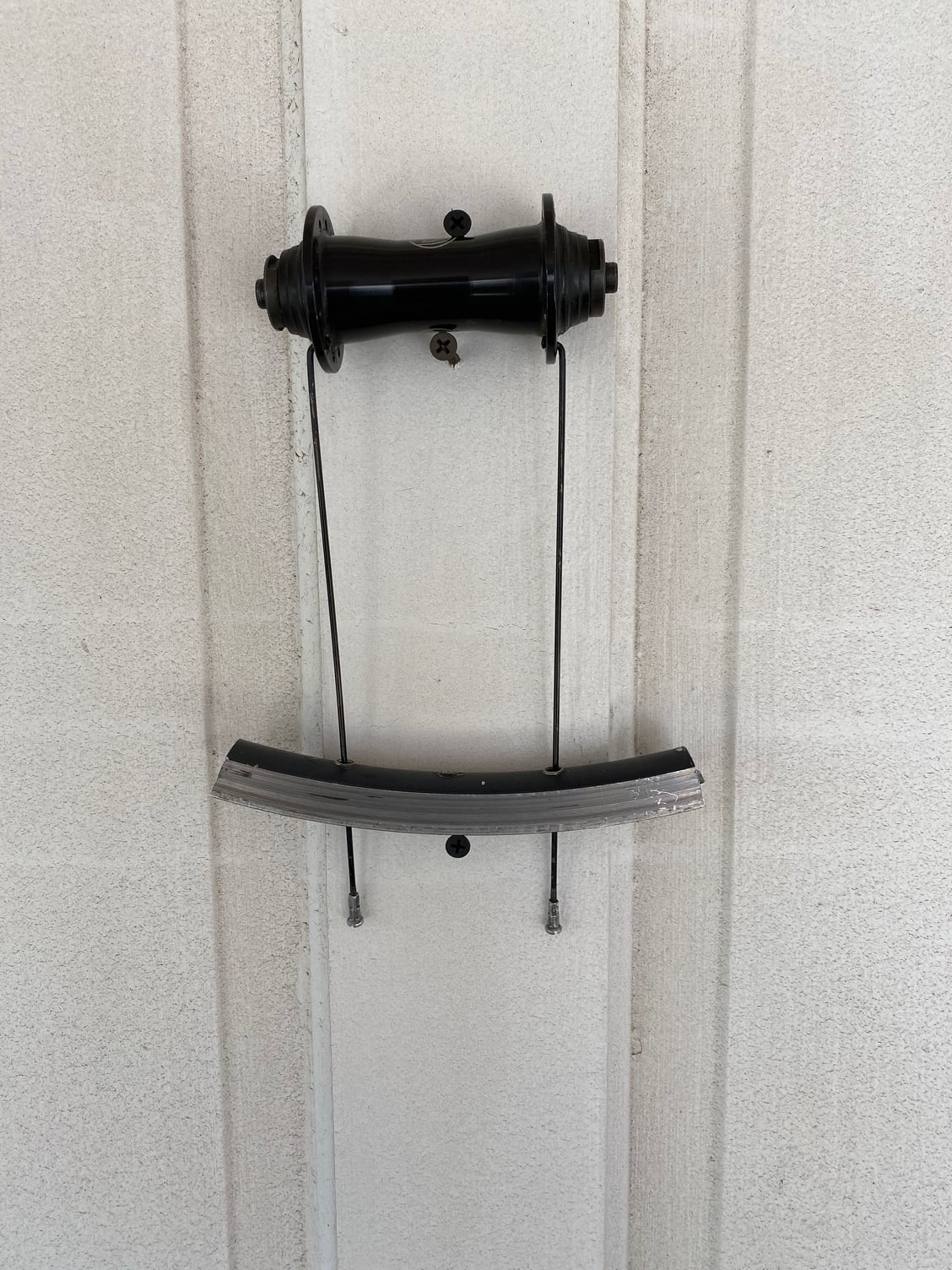
The other effect that tire pressure has on spoke tension is that it reduces overall spoke tension by squeezing the rim all the way around. There is a limit to how much the tension decreases but it is a measurable amount of tension decrease. However, if you increase the tension to compensate, you risk cracking the rim if it is aluminum.
Generally, spoke tension should be consistent but that isn’t the problem that many people make it out to be. Stronger spokes do a whole lot more for wheel strength and durability than any other factor.