Originally Posted by
RCMoeur
Older + low thread count might be a key factor. Young rubber adheres well to fewer threads, but not as well as the years and ozone affect the adhesion and elasticity.
It does seem to be the case that high thread count isn't seen at 'popular' price points these days, as the cheaper-to-make tire is "good enough" for the expected service load & duration. And it's usual for a higher cord count to have other advantages such as lower rolling resistance and greater efficiency & performance. But for many people (and some of us), the price jump in going to the finer-cord tires can be off-putting, especially if the 30 tpi tires are doing "good enough" in general, other than the wiggles and kablooeys.
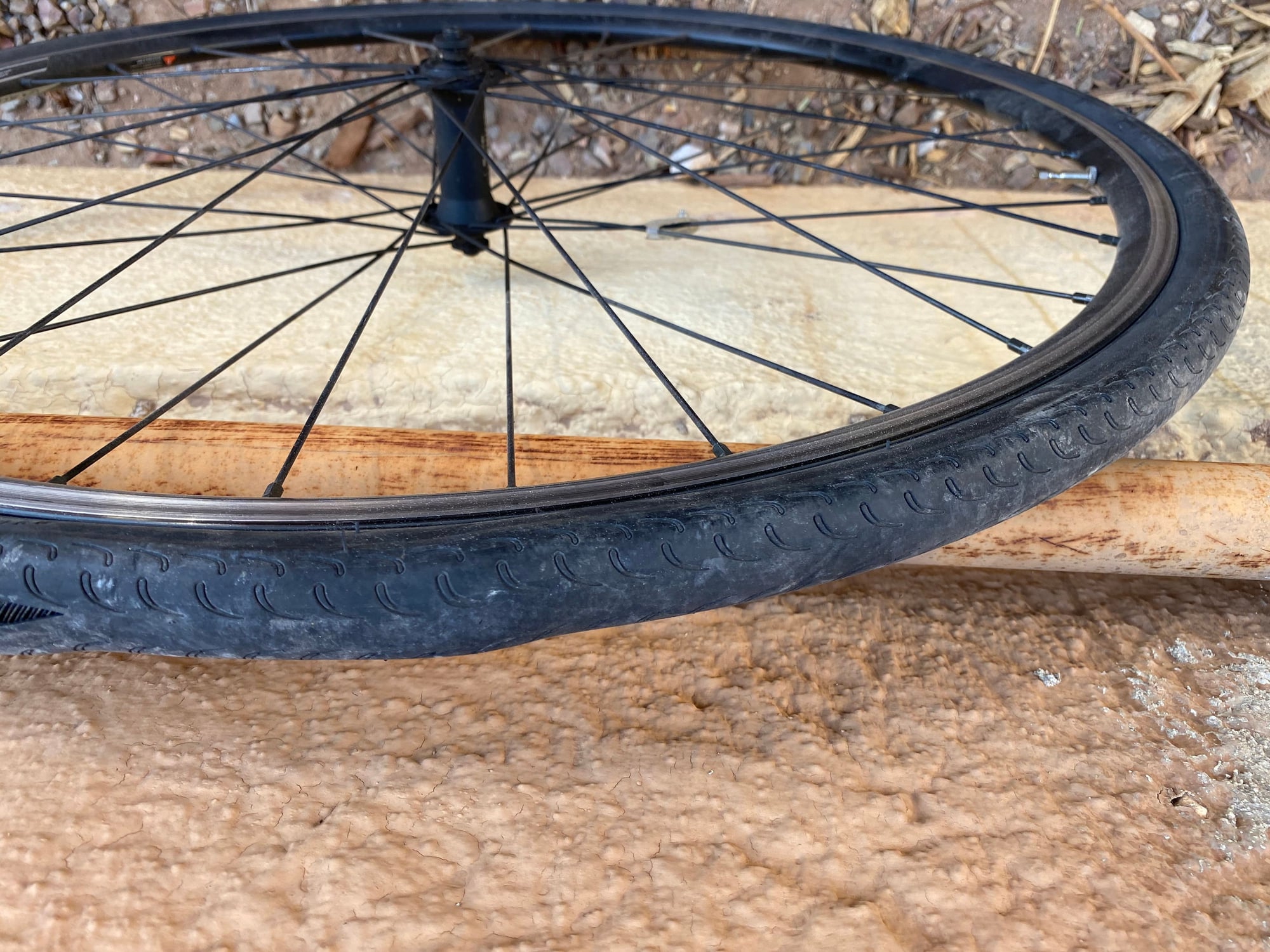
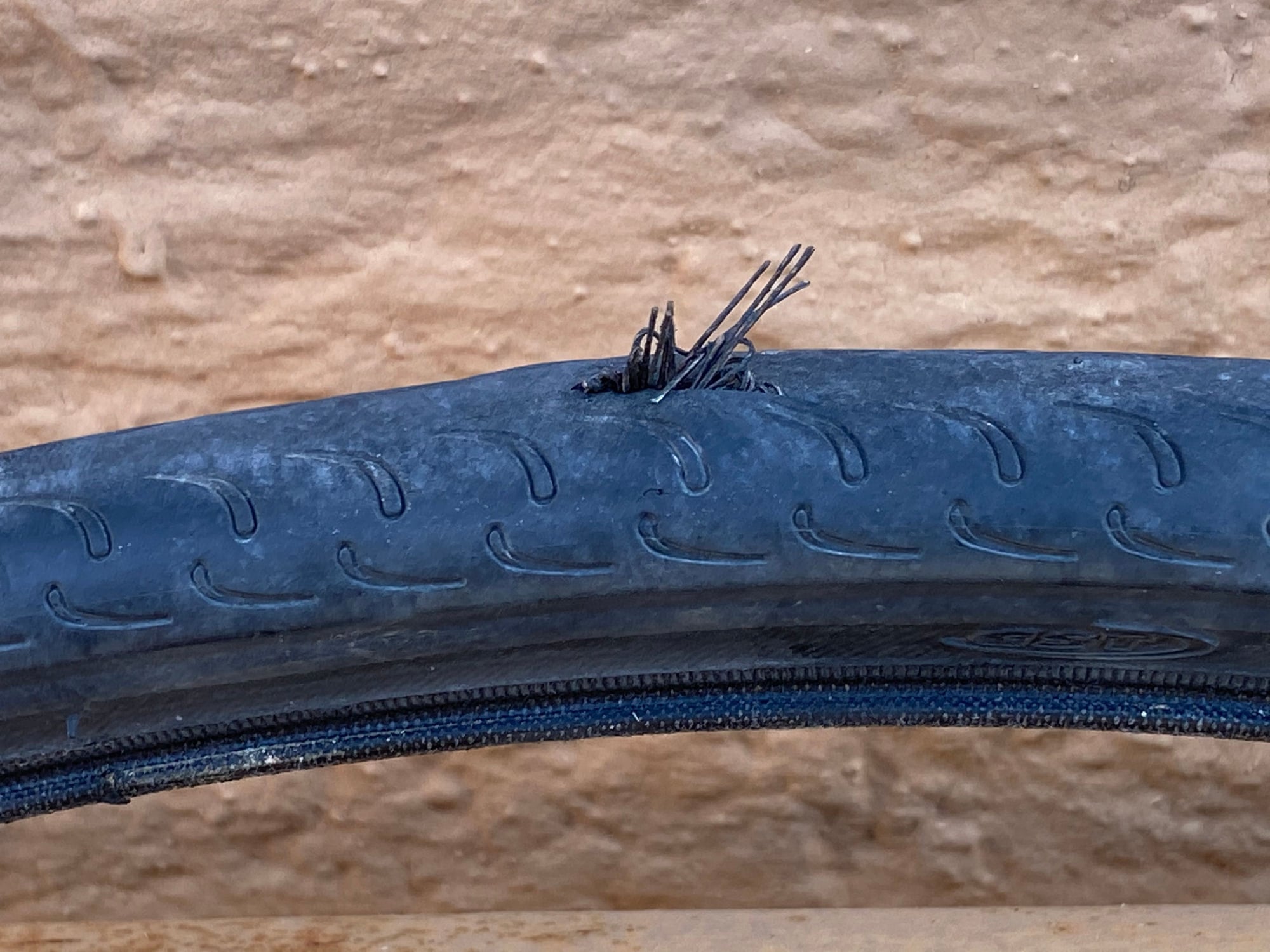
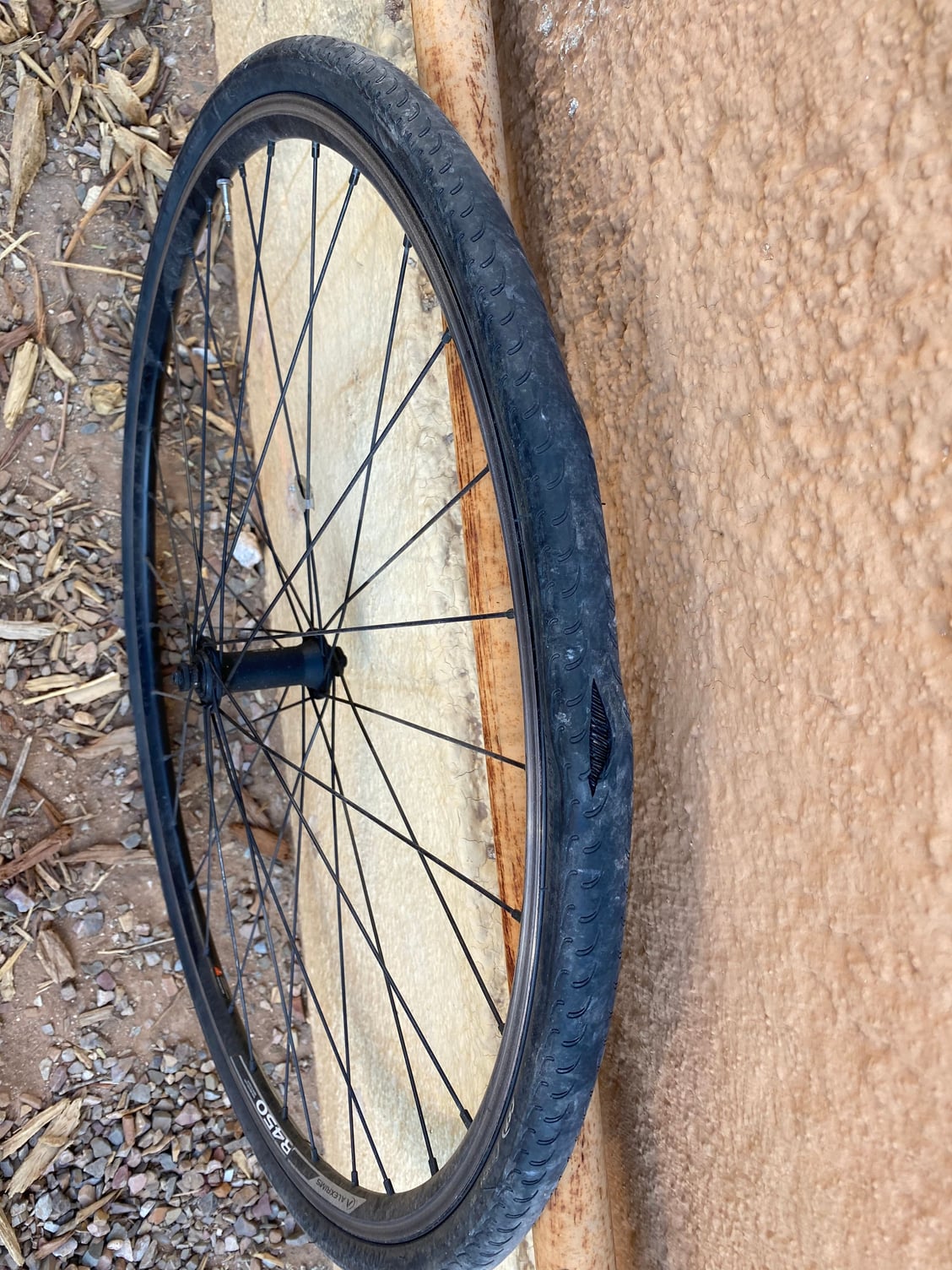
I’ve had snake bellies develop on tires that are less than a year old. They were low thread count tires. These were about a year old. They are from my daughters bike and, granted, they were used and stored in Tucson which is harder on rubber but I’ve had similar tire problems here in cold Colorado on tires that were less than a year old.