The ergonomic advantage of a sprung drivetrain could probably be best illustrated by something like a ball thrower:
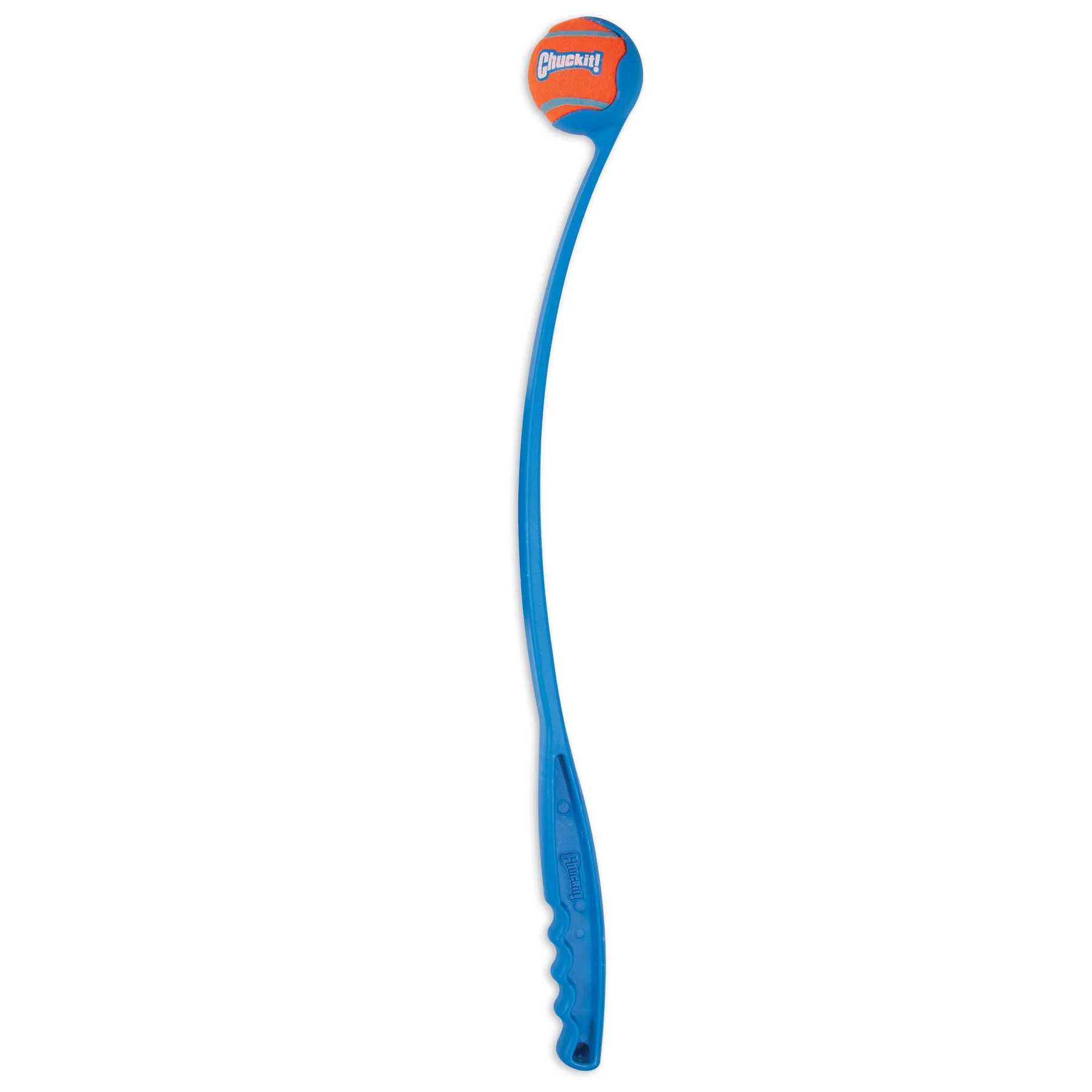
Why is this device, with a flexible bow arm, more efficient than a simple rigid shaft? Because as you start the throwing motion, the shaft bends back to allow your arm to accelerate more than it would be if it had to carry the full load of the ball's momentum. As the throwing motion reaches the limit of the arm's range, the bent shaft unflexes, giving the ball a last bit of velocity greater than what the arm could do at that point. The net effect is that spring arm flex produces higher ball velocity than a stiff arm would.
The idea would be that on stiff bikes there are places in the pedal motion where torque briefly exceeds what legs can efficiently produce, so some of the effort is lost pushing on something that won't yield properly (like on a rigid ball thrower). And that isn't a radical concept, since all of us I'm sure agree that oval chainrings work. But instead of varying the gearing like a fixed Biopace ring, the frame compresses and releases as a perfect mirror of the high and low outputs of the rider. Given that the frame compresses rather than resists at peak load, the rider can more efficiently make power than a perfectly rigid system, like the flexible thrower. Since the frame flex is a reaction to pedaling input, it is even more ergonomic than an oval chainring because it does not dictate the timing of the load change.