


Brooks Swallow rails breaking.
 12-21-23 | 03:35 PM
#1

Thread Starter
Senior Member

Joined: May 2009
Posts: 1,912
Likes: 1,476
From: A different place and time.
Brooks Swallow rails breaking.
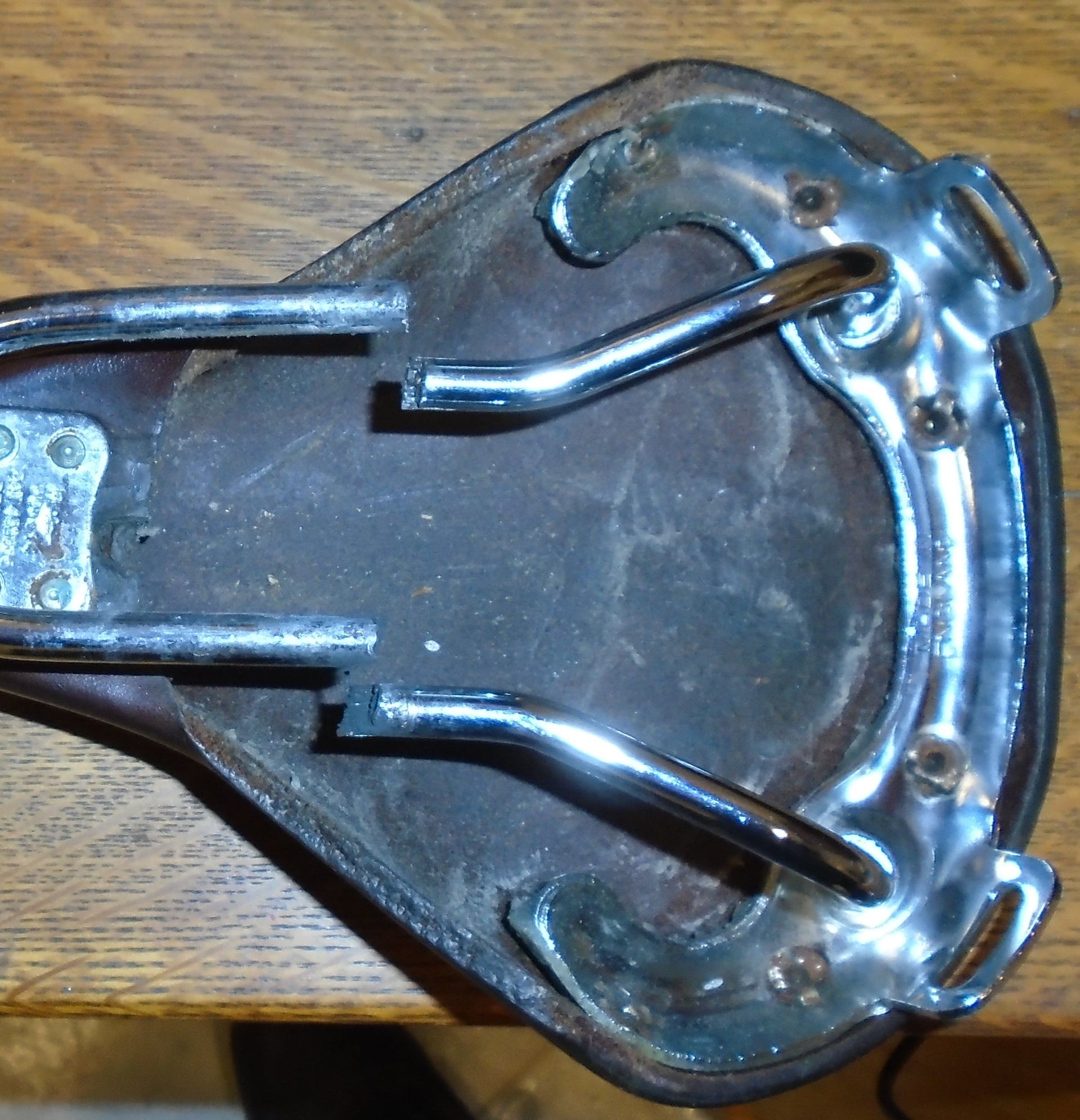
A friend asked if I could help him replace his Brooks Swallow because he broke the seat rails. He said this was the second time he broke the rails on a Swallow. He asked me what I thought caused it. Both rails broke at the back of the seat clamp. To me, it looks like they snapped in an upward motion. They guy isn't heavy (maybe 170). I asked him if he ever tensioned the saddle. He said he never did and it's about six years old. Could lack of tension be the cause? I can't think of anything else.
 12-21-23 | 03:41 PM
#2

Junior Member
Joined: Nov 2013
Posts: 115
Likes: 141
From: Aurora, Illinois
Bikes: 2003 Litespeed Classic Ti
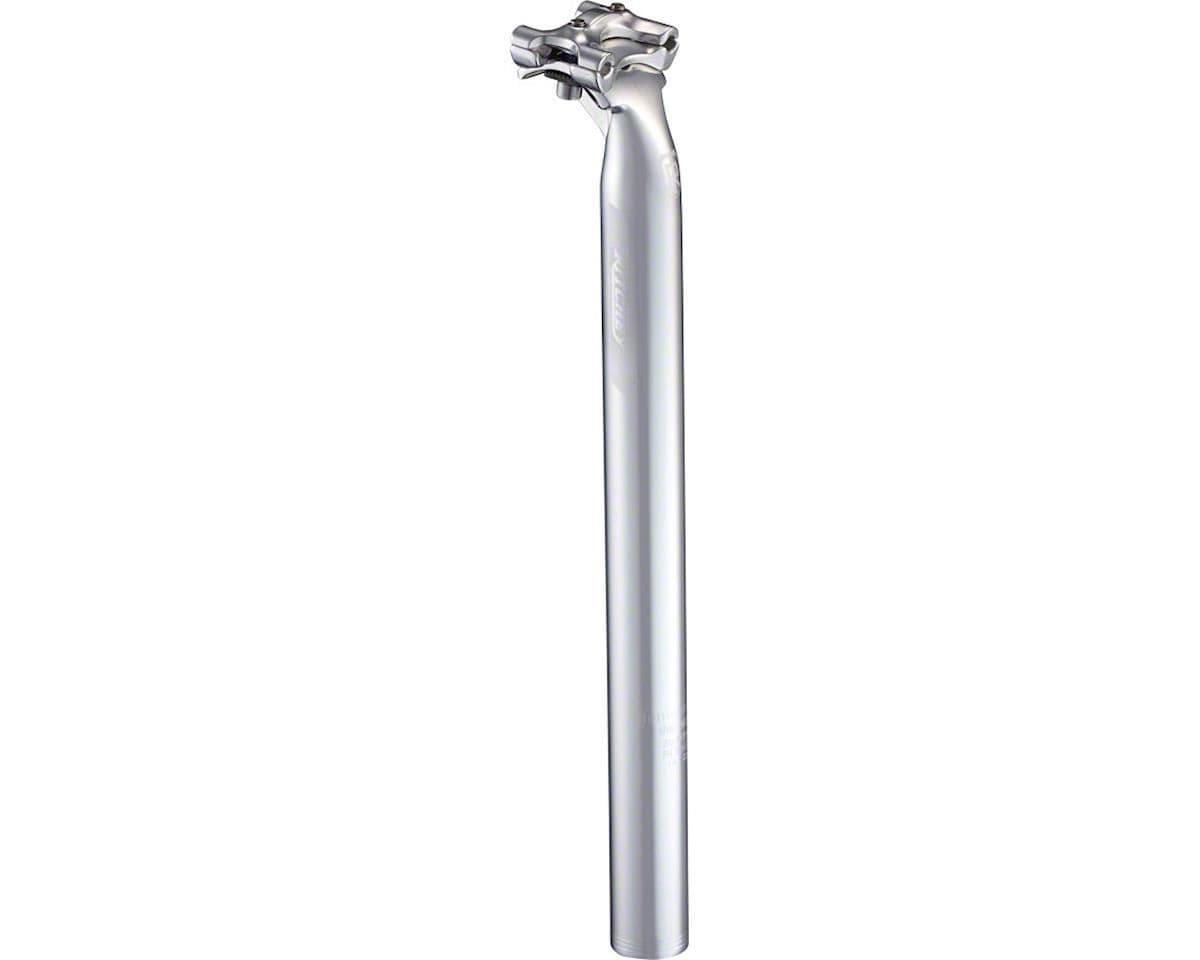
Wild. What seatpost is he using? There is a lot of distress on the rails NOT where it is broken. I'm wondering what the post to rails interface looked like before it broke.
 12-21-23 | 03:51 PM
#3
Thread Starter
Senior Member
Joined: May 2009
Posts: 1,912
Likes: 1,476
From: A different place and time.
.
12-21-23 | 08:47 PM
#4
Senior Member
Joined: Jan 2023
Posts: 818
Likes: 829
Clamp crimped. Chromed rail has compromised steel. The corrosion depicted along with the crimping caused a stress riser. In time, the inevitable happens.
The coated Brooks rails will look crummy in time but doesn't have the compromised steel that chrome causes.
Brooks also offered for the Swallow (and other models) a titanium railed frame that won't corrode, but they stopped production for that particular model. It too has limits for rider weight.
The coated Brooks rails will look crummy in time but doesn't have the compromised steel that chrome causes.
Brooks also offered for the Swallow (and other models) a titanium railed frame that won't corrode, but they stopped production for that particular model. It too has limits for rider weight.
12-21-23 | 11:21 PM
#5

Senior Member


Joined: Oct 2014
Posts: 14,180
Likes: 5,312
From: Portland, OR
Bikes: (2) ti TiCycles, 2007 w/ triple and 2011 fixed, 1979 Peter Mooney, ~1983 Trek 420 now fixed and ~1973 Raleigh Carlton Competition gravel grinder
That seatpost looks to have a shortish clamp. Longer clamp, less force at the clamp edge when you are not seating right over the clamp. Excess clamping pressure will add to what the clamp edges do in that off-clamp-center seating position when you hit a bump. Also, look at the seatpost clamp itself. And the clamp edges, front and back, both top and bottom although bottom is more critical - are they nice, generous rounds or near square? You want a nice, generous rounds. Square concentrates the load at exactly the points stressed in my first two points above.
A fine round file will make turning sharp edges into gentle rounds easy. The rounds on that Ritchey post look good. (I'm not surprised. He knows his stuff.) If your friend is heavy or a bike killer, a post with a long fore and aft clamp will be a benefit. Seeking a post setback to best center the clamp in the rails can also help (though the current marks look pretty close to center).
I ride ti railed seats. If I don't pay attention to the above, it costs me bucks and a ride home. (And this is all covered in first semester sophomore year engineering. Yes, the most rugged rails don't break when abused. But some of us ignore rail durability while seeking comfort, etc. when we buy seats. We can give those rails better living conditions. m )
)
A fine round file will make turning sharp edges into gentle rounds easy. The rounds on that Ritchey post look good. (I'm not surprised. He knows his stuff.) If your friend is heavy or a bike killer, a post with a long fore and aft clamp will be a benefit. Seeking a post setback to best center the clamp in the rails can also help (though the current marks look pretty close to center).
I ride ti railed seats. If I don't pay attention to the above, it costs me bucks and a ride home. (And this is all covered in first semester sophomore year engineering. Yes, the most rugged rails don't break when abused. But some of us ignore rail durability while seeking comfort, etc. when we buy seats. We can give those rails better living conditions. m
)
12-22-23 | 12:34 AM
#6
Senior Member
Joined: Jul 2013
Posts: 2,611
Likes: 919
From: So Cal, for now
Bikes: 1974 Bob Jackson - Nuovo Record, Brooks Pro, Clips & Straps
I'll bet you a buck there is a stress riser in the seat clamp that means all the loading happens at the back, right where it broke. It isn't the seat (or seats), it's the clamp.
Inspect it carefully and maybe even hone the clamping surfaces, especially the trailing edges, before reusing it.
Inspect it carefully and maybe even hone the clamping surfaces, especially the trailing edges, before reusing it.
 12-22-23 | 05:04 AM
#7
Senior Member


Joined: Feb 2020
Posts: 4,035
Likes: 2,356
Did it creak at all before failure - the discolouration of the lower break looks like corrosion - if so it would have happened first, taken some time for the second, and might have complained a bit in the meantime.
12-22-23 | 07:42 AM
#8
Senior Member
Joined: Oct 2008
Posts: 1,873
Likes: 358
From: Right where I'm supposed to be
Bikes: Franklin Frames Custom, Rivendell Bombadil
If the post wasn't a Ritchey it could have been a like twin parallel bolt Kalloy SP-376. Kalloy heads are notorious for having a short clamping area on the rails. I won't use them for that reason alone. I have those classic Ritchey posts, the rail clamp is large and the edges are smooth and free of abrupt edges. Plus it holds the seat very well without the need for undue torque. So if the person who broke their rails because of over tightening the clamp, I doubt it was Ritchey.
12-22-23 | 09:44 AM
#9

Senior Member
Joined: Jul 2008
Posts: 3,288
Likes: 4,243
From: The Le Grande HQ
Bikes: Gängl, Trek 938, Raleigh Professional, Paramount, Allez, Guerciotti, Specialized Stumpjumper, Trek 750, Miyata 1000 < Huffy
I have often thought about the small bearing surface that some seatpost clamps have for the saddle rails, and wonder if a very small cro-mo or alloy 2-part 'shim' in the shape of a half-circle tube, super thin, and about the size of the saddle rail, sandwiched on both the top and bottom of the rails in between the seatpost clamp, could alleviate those stress riser points. Would weigh next to nothing, and help distribute the load across the rail.
I looked and saw nothing like this, but if I ever get a ti-railed saddle, I'm going to fab some up just for extra insurance.
I looked and saw nothing like this, but if I ever get a ti-railed saddle, I'm going to fab some up just for extra insurance.
12-22-23 | 09:53 AM
#10
Thread Starter
Senior Member
Joined: May 2009
Posts: 1,912
Likes: 1,476
From: A different place and time.
If the post wasn't a Ritchey it could have been a like twin parallel bolt Kalloy SP-376. Kalloy heads are notorious for having a short clamping area on the rails. I won't use them for that reason alone. I have those classic Ritchey posts, the rail clamp is large and the edges are smooth and free of abrupt edges. Plus it holds the seat very well without the need for undue torque. So if the person who broke their rails because of over tightening the clamp, I doubt it was Ritchey.
12-22-23 | 10:15 AM
#11

aged to perfection
Joined: Jun 2009
Posts: 2,242
Likes: 1,660
From: PacNW
Bikes: Dinucci Allez 2.0, Richard Sachs, Alex Singer, Serotta, Masi GC, Raleigh Pro Mk.1, Hetchins, etc
I'm in favor of the seatpost clamp theory here, either the clamp was over tightened or the clamping area was very small, possibly a burr on the edge of the clamp caused a stress riser on the rails.
I have seen a very nice looking "Ritchey" seatpost that was a counterfeit item and it was junk. It would not sufficently clamp the saddle rails, the clamp was poorly designed. Fake parts are out there, they look genuine but they are not.
Another thought - does the rider "un-weight" going over bumps ? I hear people saying they want to ride lightweight wheels and other parts "are those wheels OK for a 240 lb rider" ?
My response is that it's all about riding style. Some people are very easy on equipment. Others, not so much
/markp
I have seen a very nice looking "Ritchey" seatpost that was a counterfeit item and it was junk. It would not sufficently clamp the saddle rails, the clamp was poorly designed. Fake parts are out there, they look genuine but they are not.
Another thought - does the rider "un-weight" going over bumps ? I hear people saying they want to ride lightweight wheels and other parts "are those wheels OK for a 240 lb rider" ?
My response is that it's all about riding style. Some people are very easy on equipment. Others, not so much
/markp
12-22-23 | 10:50 AM
#12

The lower rail in the image shows dark, the upper rail bright, it was the last to go. My hunch was the saddle was more flexible and comfortable for a time.
‘while the clamp position is not extreme, my thought the position on the saddle was.
‘I am of the opinion that on these the post clamp should be centered on the overall length of the saddle or best, the clamp at the center of the load.
there was a reason that old track riders used a support “rod” from the nose to the top tube.
‘while the clamp position is not extreme, my thought the position on the saddle was.
‘I am of the opinion that on these the post clamp should be centered on the overall length of the saddle or best, the clamp at the center of the load.
there was a reason that old track riders used a support “rod” from the nose to the top tube.
12-22-23 | 12:02 PM
#13
Thread Starter
Senior Member
Joined: May 2009
Posts: 1,912
Likes: 1,476
From: A different place and time.
I'm in favor of the seatpost clamp theory here, either the clamp was over tightened or the clamping area was very small, possibly a burr on the edge of the clamp caused a stress riser on the rails.
I have seen a very nice looking "Ritchey" seatpost that was a counterfeit item and it was junk. It would not sufficently clamp the saddle rails, the clamp was poorly designed. Fake parts are out there, they look genuine but they are not.
Another thought - does the rider "un-weight" going over bumps ? I hear people saying they want to ride lightweight wheels and other parts "are those wheels OK for a 240 lb rider" ?
My response is that it's all about riding style. Some people are very easy on equipment. Others, not so much
/markp
I have seen a very nice looking "Ritchey" seatpost that was a counterfeit item and it was junk. It would not sufficently clamp the saddle rails, the clamp was poorly designed. Fake parts are out there, they look genuine but they are not.
Another thought - does the rider "un-weight" going over bumps ? I hear people saying they want to ride lightweight wheels and other parts "are those wheels OK for a 240 lb rider" ?
My response is that it's all about riding style. Some people are very easy on equipment. Others, not so much
/markp
The lower rail in the image shows dark, the upper rail bright, it was the last to go. My hunch was the saddle was more flexible and comfortable for a time.
‘while the clamp position is not extreme, my thought the position on the saddle was.
‘I am of the opinion that on these the post clamp should be centered on the overall length of the saddle or best, the clamp at the center of the load.
there was a reason that old track riders used a support “rod” from the nose to the top tube.
‘while the clamp position is not extreme, my thought the position on the saddle was.
‘I am of the opinion that on these the post clamp should be centered on the overall length of the saddle or best, the clamp at the center of the load.
there was a reason that old track riders used a support “rod” from the nose to the top tube.
Anyhow, I think I'll kill all the birds with one stone. I'll suggest he gets a new post with no set-back and a wider clamping area. Move his saddle forward a bit. And, tension it when it gets "soft".
Last edited by gearbasher; 12-22-23 at 04:56 PM.
