


Carlton Catalina project
 09-07-24 | 01:36 PM
#1
Thread Starter
Senior Member


Joined: Oct 2020
Posts: 1,533
Likes: 1,206
From: Phoenix, AZ
Bikes: 1964(?) Frejus Tour de France, 1967(?) Dawes Double Blue, 1979 Trek 710, 1982 Claud Butler Dalesman, 1983 Schwinn Paramount Elite, 1984 Miyata 1000, 2014 Brompton, maybe a couple more
Carlton Catalina project
I just picked up this 1967-ish Carlton Catalina. Looks like it was well loved at one time, with significant updates in the 70s.


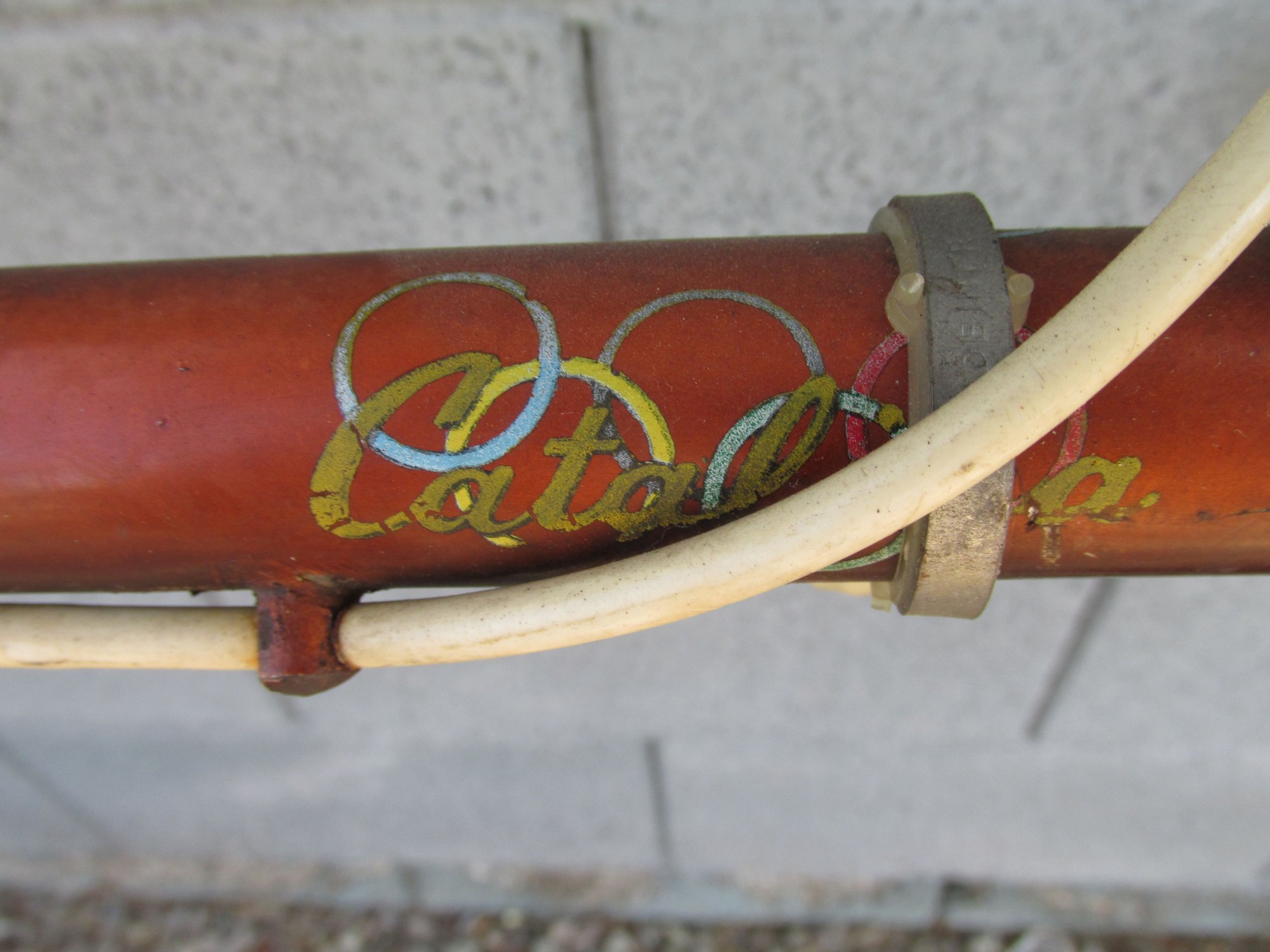

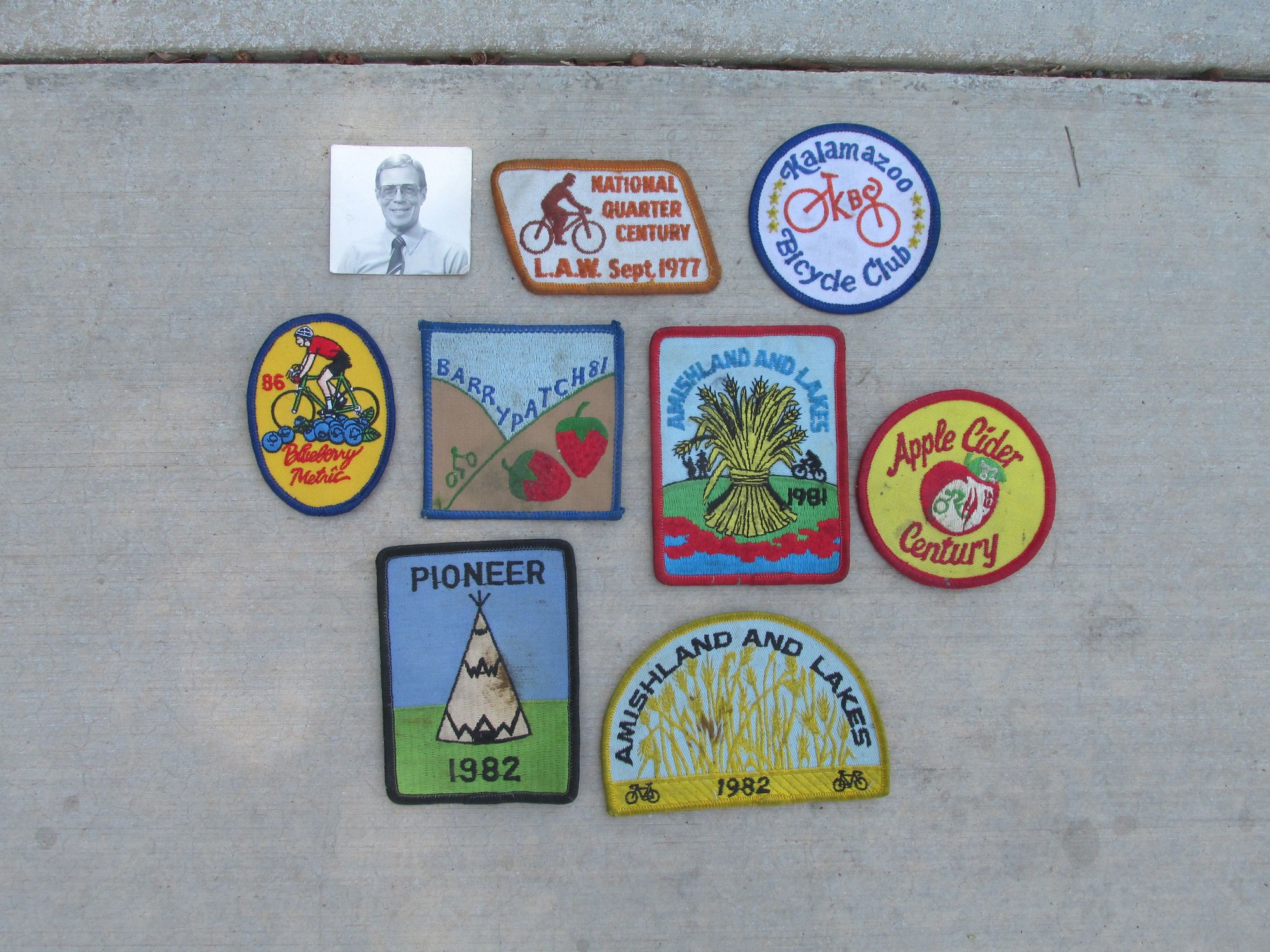
The photo and patches are allegedly the original owner. Anybody from Kalamazoo recognize the guy?
The photo and patches are allegedly the original owner. Anybody from Kalamazoo recognize the guy?


 09-07-24 | 02:00 PM
#2
Thread Starter
Senior Member
Joined: Oct 2020
Posts: 1,533
Likes: 1,206
From: Phoenix, AZ
Bikes: 1964(?) Frejus Tour de France, 1967(?) Dawes Double Blue, 1979 Trek 710, 1982 Claud Butler Dalesman, 1983 Schwinn Paramount Elite, 1984 Miyata 1000, 2014 Brompton, maybe a couple more
Anybody have thoughts on whether this copper color would be likely to have iron oxide in it, making it more susceptible to fading from oxalic acid?
09-07-24 | 02:43 PM
#3

Cantilever believer


Joined: Nov 2021
Posts: 3,201
Likes: 4,960
From: Phoenix, AZ
Looks like a bike with a lot of good history.
Don't often see tubulars and a Pletscher rack on the same bike, although I suppose it was more common before good wire-bead tires were widely available. Also an interesting combination of 531 main tubes and stamped dropouts with no hanger. I suppose they spent money where it counted and saved elsewhere to hit the price point.
Are the original grips Grab-On brand? If so, see if you can get them off without damage.
Earlier this week while looking for something else I found my LAW national century patches from 1980-1981. Note that September isn't the optimum month for a century ride in central Arizona, but the rules said it had to be that month, so I look back at an added challenge overcome.

Don't often see tubulars and a Pletscher rack on the same bike, although I suppose it was more common before good wire-bead tires were widely available. Also an interesting combination of 531 main tubes and stamped dropouts with no hanger. I suppose they spent money where it counted and saved elsewhere to hit the price point.
Are the original grips Grab-On brand? If so, see if you can get them off without damage.
Earlier this week while looking for something else I found my LAW national century patches from 1980-1981. Note that September isn't the optimum month for a century ride in central Arizona, but the rules said it had to be that month, so I look back at an added challenge overcome.
__________________
Richard C. Moeur, PE - Phoenix AZ, USA
https://www.richardcmoeur.com/bikestuf.html
Richard C. Moeur, PE - Phoenix AZ, USA
https://www.richardcmoeur.com/bikestuf.html
09-07-24 | 02:47 PM
#4

Senior Member

Joined: Feb 2013
Posts: 15,369
Likes: 4,393
From: Alta California
----
excellent find!
slightly surprised to see the anniversary headplate in use at this time
trying to recall who made these white nylon pump pegs; were they a Cyclo item?
were sprints stock on this model at this time?
-----
excellent find!
slightly surprised to see the anniversary headplate in use at this time
trying to recall who made these white nylon pump pegs; were they a Cyclo item?
were sprints stock on this model at this time?
-----
09-07-24 | 02:51 PM
#5
Thread Starter
Senior Member
Joined: Oct 2020
Posts: 1,533
Likes: 1,206
From: Phoenix, AZ
Bikes: 1964(?) Frejus Tour de France, 1967(?) Dawes Double Blue, 1979 Trek 710, 1982 Claud Butler Dalesman, 1983 Schwinn Paramount Elite, 1984 Miyata 1000, 2014 Brompton, maybe a couple more
The surface of the grips is significantly eroded and they don't seem as dense as the original grab-ons.
09-07-24 | 08:46 PM
#6
Thread Starter
Senior Member
Joined: Oct 2020
Posts: 1,533
Likes: 1,206
From: Phoenix, AZ
Bikes: 1964(?) Frejus Tour de France, 1967(?) Dawes Double Blue, 1979 Trek 710, 1982 Claud Butler Dalesman, 1983 Schwinn Paramount Elite, 1984 Miyata 1000, 2014 Brompton, maybe a couple more
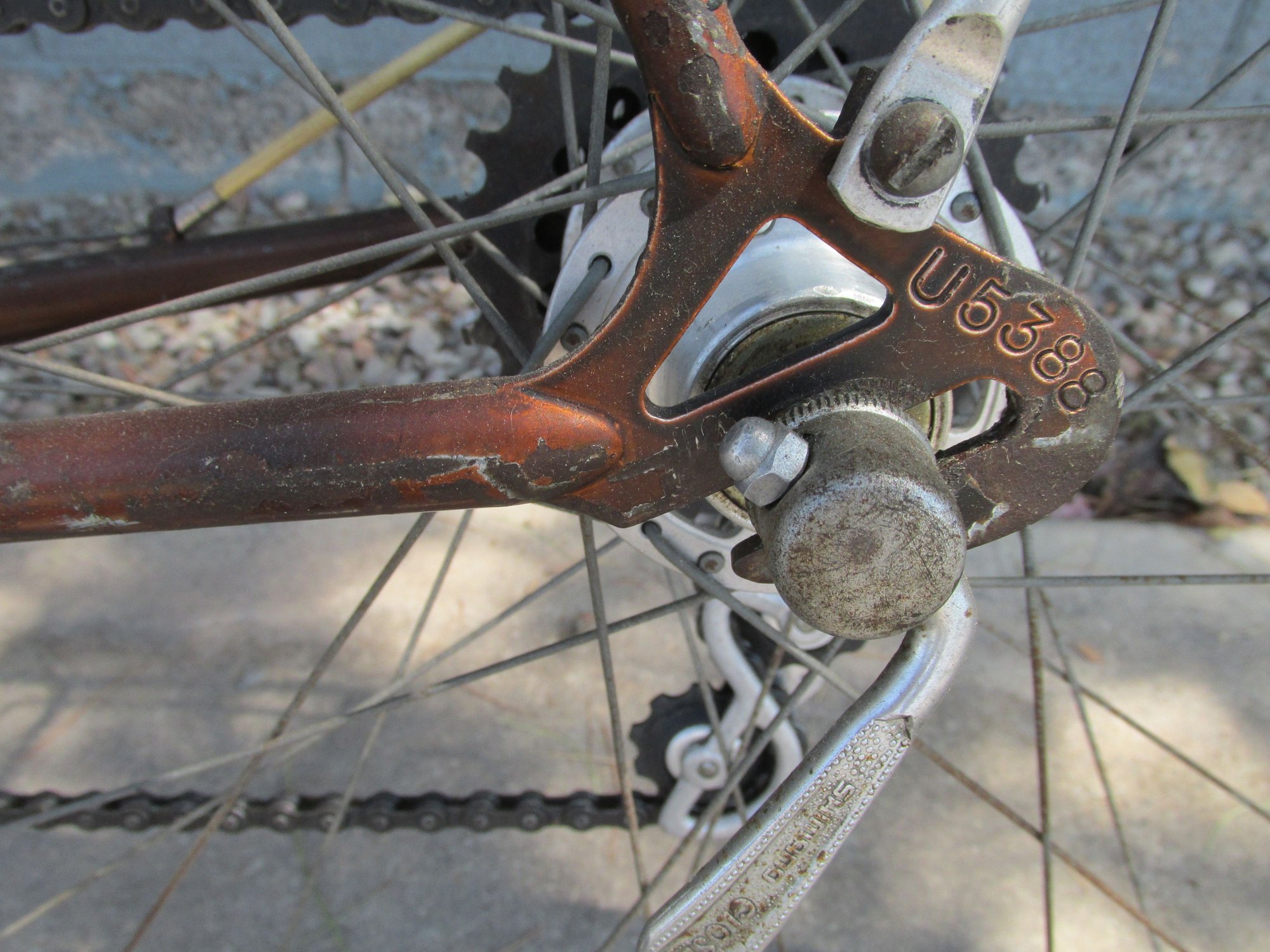
My initial google run turned up a serial number list that said Carlton dropout serial numbers starting with U were from 1967. After poking around some more on this site and elsewhere, the bike appears to have more characteristics of the 63-65 period rather than 67. Raleigh models were a mess during this time period, but by 1967 they were mainly selling the Catalina through Huffy in the U.S. with different lugs.
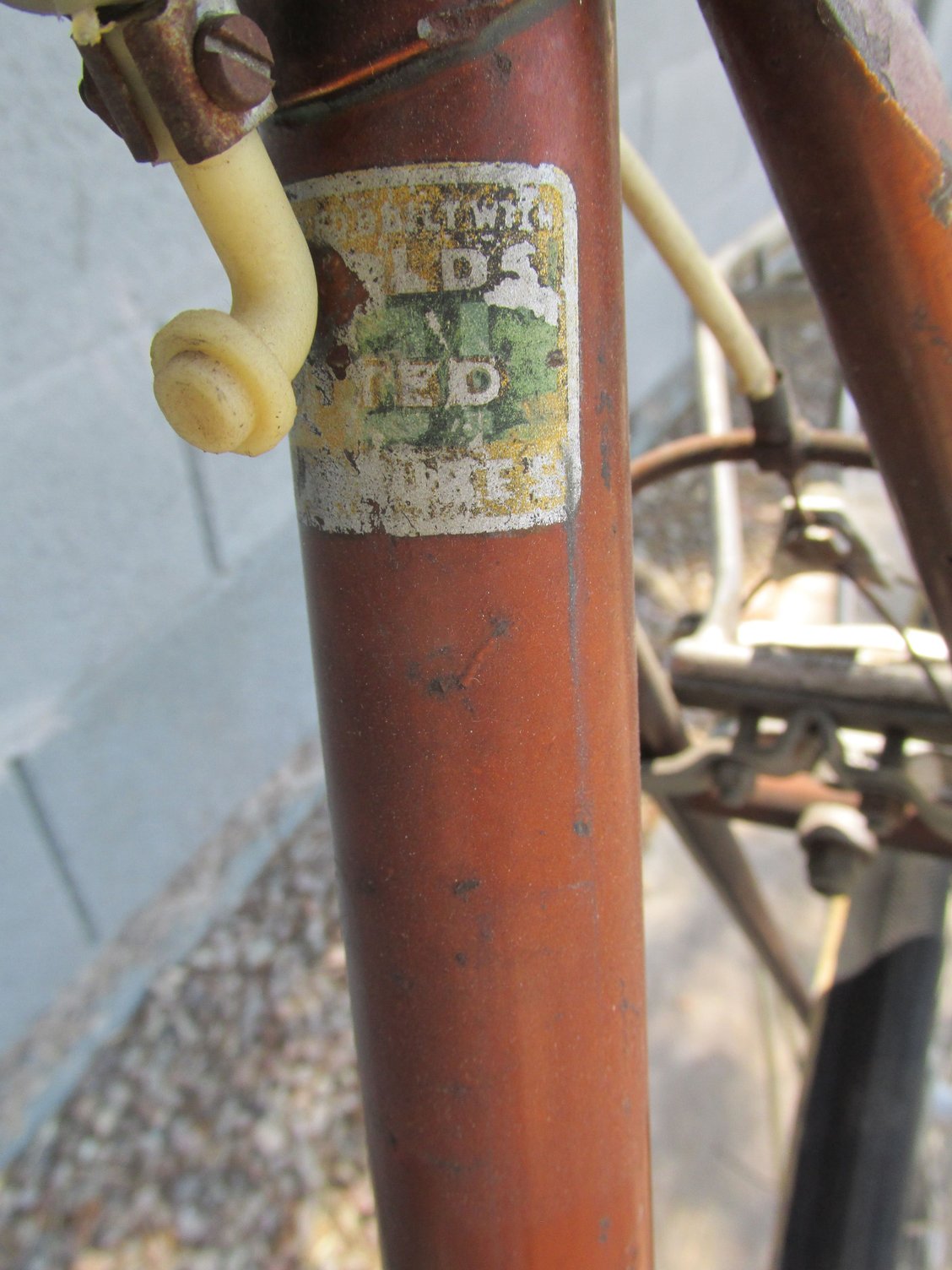
I assume the tubing sticker is some version of 531 main tubes, but it's pretty faded and I don't recognize it. Catalinas were made in numerous versions, some with non-531 tubes. Edit: looking more closely I'm pretty sure it says 531 in the background, and also says "butted," which most Catalinas were not.
The only date code I found so far was 65 on the saddle. The saddle is in very rough shape but fortunately I just bought a nice Wrights saddle from Mad Honk that is from the general time period.
The cranks are not original, but they're pretty sweet so I'll probably keep them. I like the touring range rings. I think I'll restore consistent with the original owner's late 1970s version of the bike, keeping the Suntour derailleurs and the extensive patina (perhaps with clear coat on top if I get it cleaned up enough).
This restoration will take some time and this bike is not necessarily at the front of the queue. I will update the thread as appropriate. Any thoughts on dating would be appreciated, especially if they lean toward a 1963 date. That was my birth year and would be somewhat of an excuse when my wife finds out I bought two more bikes within a week.
I assume the tubing sticker is some version of 531 main tubes, but it's pretty faded and I don't recognize it. Catalinas were made in numerous versions, some with non-531 tubes. Edit: looking more closely I'm pretty sure it says 531 in the background, and also says "butted," which most Catalinas were not.
The only date code I found so far was 65 on the saddle. The saddle is in very rough shape but fortunately I just bought a nice Wrights saddle from Mad Honk that is from the general time period.
The cranks are not original, but they're pretty sweet so I'll probably keep them. I like the touring range rings. I think I'll restore consistent with the original owner's late 1970s version of the bike, keeping the Suntour derailleurs and the extensive patina (perhaps with clear coat on top if I get it cleaned up enough).
This restoration will take some time and this bike is not necessarily at the front of the queue. I will update the thread as appropriate. Any thoughts on dating would be appreciated, especially if they lean toward a 1963 date. That was my birth year and would be somewhat of an excuse when my wife finds out I bought two more bikes within a week.
Last edited by albrt; 09-07-24 at 09:01 PM.
09-07-24 | 09:37 PM
#7
Senior Member
Joined: Feb 2013
Posts: 15,369
Likes: 4,393
From: Alta California
-----
head tube exhibits areas of lighter and darker colour
does it look to you like this could be due to fading or more due to original application?
would appreciate view of head lugs feature cut if convenient some time
perhaps a good story regarding how the MAFAC cable anchor found its way onto the front
had been thinking the Normandy Sport front hub might be original; that older pattern of Juy QR was last current in 1971; however, if cycle earlier than '67 it would be too early for the oval flange holes
great to see the Ventoux on there, one o' me fave bends
three-tube butted 531 frames not that common in Britain, more frequently encountered in France and the low countries
-----
head tube exhibits areas of lighter and darker colour
does it look to you like this could be due to fading or more due to original application?
would appreciate view of head lugs feature cut if convenient some time
perhaps a good story regarding how the MAFAC cable anchor found its way onto the front
had been thinking the Normandy Sport front hub might be original; that older pattern of Juy QR was last current in 1971; however, if cycle earlier than '67 it would be too early for the oval flange holes
great to see the Ventoux on there, one o' me fave bends
three-tube butted 531 frames not that common in Britain, more frequently encountered in France and the low countries
-----
Last edited by juvela; 09-07-24 at 09:45 PM. Reason: addition
09-07-24 | 09:50 PM
#8
Thread Starter
Senior Member
Joined: Oct 2020
Posts: 1,533
Likes: 1,206
From: Phoenix, AZ
Bikes: 1964(?) Frejus Tour de France, 1967(?) Dawes Double Blue, 1979 Trek 710, 1982 Claud Butler Dalesman, 1983 Schwinn Paramount Elite, 1984 Miyata 1000, 2014 Brompton, maybe a couple more
I think the darker areas are dirty, but we will see when I get to cleaning it up. This seems to be the same luminous metallic copper paint that was most common for Carlton Catalinas of the mid 60s.
I'll try to post lug photos tomorrow.
The skewer in the front wheel is certainly older than the rear wheel, but I think the hubs match. Not sure if they are original or an upgrade. Does anybody know if Dunlop Sprites (the tires shown in the mid 60s Carlton catalog) were tubular? Internet search engines have certainly gotten worse in the last 10 years - any search containing sprite and dunlop mostly yields results about Raleigh Sprites.
I'll try to post lug photos tomorrow.
The skewer in the front wheel is certainly older than the rear wheel, but I think the hubs match. Not sure if they are original or an upgrade. Does anybody know if Dunlop Sprites (the tires shown in the mid 60s Carlton catalog) were tubular? Internet search engines have certainly gotten worse in the last 10 years - any search containing sprite and dunlop mostly yields results about Raleigh Sprites.
09-08-24 | 11:16 AM
#9


Your seat tube tubing decal is one that, according to HLloyd (decals supplier) was used from 1953 to 1973.

From HLloydCycles.com catalog, Reynolds tubing decals
The "butted frame tubes" means only that the frame main triangle is 531 butted (the seat tube probably single butted -- no butt at the top if a 27.2 mm seat post fits). It probably means that the rear chain and seat stays are not R531, but doesn't mean that the fork blades are not -- I have a 1972 Raleigh Competition with exactly that seat tube decal, but the fork blades also have the triangular "531 forks" decals. Check your fork blades carefully for (probably shinier) regions near the tops, where such decals would have been before they fell off -- I have at least one other frame exhibiting that state of "patina".
Edit: As @juvela has pointed out, the headbadge is an "anniversary" type, but that was apparently used for several years, mid-to-late-60s through 1970 at least. I have no idea what the anniversary was that this headbadge was supposed to celebrate. Per Wikipedia, Raleigh started business in the mid-1880s, and was taken over by Frank Bowden in 1888 or so, becoming a limited liability corporation in 1889.
Anyway, I wouldn't sweat the tubing issue -- for instance, my aforementioned Raleigh Competition is actually a bit lighter than a same-size International model frame a couple years newer, with R531 frame tubes, forks and stays. I weigh frames stripped down to whatever isn't threaded on, and it seems to me that 3 kg (or just a bit more for frames in the 60-62 cm ctt range that I favor) is kind of the break point in "quality" vs "downmarket" -- of course along with build quality which is usually more obvious. Raleigh itself has a (generally) fairly poor reputation, throughout its product line, than Carlton did, and most of their product line that is valued today came from the Carlton business that they absorbed. You have an example that, from photos provided so far, seems to be quite nice in the build quality department, and it looks like the paint might clean up well too. Enjoy it, and the restoration experience!
From HLloydCycles.com catalog, Reynolds tubing decals
The "butted frame tubes" means only that the frame main triangle is 531 butted (the seat tube probably single butted -- no butt at the top if a 27.2 mm seat post fits). It probably means that the rear chain and seat stays are not R531, but doesn't mean that the fork blades are not -- I have a 1972 Raleigh Competition with exactly that seat tube decal, but the fork blades also have the triangular "531 forks" decals. Check your fork blades carefully for (probably shinier) regions near the tops, where such decals would have been before they fell off -- I have at least one other frame exhibiting that state of "patina".
Edit: As @juvela has pointed out, the headbadge is an "anniversary" type, but that was apparently used for several years, mid-to-late-60s through 1970 at least. I have no idea what the anniversary was that this headbadge was supposed to celebrate. Per Wikipedia, Raleigh started business in the mid-1880s, and was taken over by Frank Bowden in 1888 or so, becoming a limited liability corporation in 1889.
Anyway, I wouldn't sweat the tubing issue -- for instance, my aforementioned Raleigh Competition is actually a bit lighter than a same-size International model frame a couple years newer, with R531 frame tubes, forks and stays. I weigh frames stripped down to whatever isn't threaded on, and it seems to me that 3 kg (or just a bit more for frames in the 60-62 cm ctt range that I favor) is kind of the break point in "quality" vs "downmarket" -- of course along with build quality which is usually more obvious. Raleigh itself has a (generally) fairly poor reputation, throughout its product line, than Carlton did, and most of their product line that is valued today came from the Carlton business that they absorbed. You have an example that, from photos provided so far, seems to be quite nice in the build quality department, and it looks like the paint might clean up well too. Enjoy it, and the restoration experience!
I assume the tubing sticker is some version of 531 main tubes, but it's pretty faded and I don't recognize it. Catalinas were made in numerous versions, some with non-531 tubes. Edit: looking more closely I'm pretty sure it says 531 in the background, and also says "butted," which most Catalinas were not.
Last edited by Charles Wahl; 09-08-24 at 11:55 AM.
 09-08-24 | 11:27 AM
#10
Senior Member
Joined: Aug 2020
Posts: 1,199
Likes: 1,507
From: Saratoga, CA
Bikes: 1981 Bianchi Specialissima, 1971 Bob Jackson. 2012 Kestrel 4000. 2012 Willier. 2016 Fuji Cross 1.1, 1950 Hetchins, 194X James Fothergill, 1971 Paramount P15, 1973 Paramount P12, 1963 Legnano (x2), 1951 Hetchins, 2024 Canyon Endurace
I have no idea on the date of manufacture. But if it helps, I can state I'm 100% certain it's a 1963. Now you can tell your wife you have confirmation it's a 1963.
09-08-24 | 11:31 AM
#11
Thread Starter
Senior Member
Joined: Oct 2020
Posts: 1,533
Likes: 1,206
From: Phoenix, AZ
Bikes: 1964(?) Frejus Tour de France, 1967(?) Dawes Double Blue, 1979 Trek 710, 1982 Claud Butler Dalesman, 1983 Schwinn Paramount Elite, 1984 Miyata 1000, 2014 Brompton, maybe a couple more
Thanks to Charles Wahl and SwimmerMike for the extremely helpful comments!
09-08-24 | 12:44 PM
#12

Senior Member
Joined: Aug 2017
Posts: 1,123
Likes: 999
From: Minneapolis
Bikes: 1960 Carlton Franco Suisse,1974 Peugeot PX10, 1970 Hetchins, 1953 Rotrax Super Course, 1972 and 78 Raleigh Professionals, 1972 Schwinn Paramount, 1972 Motobecane Le Champion, 1965 and 67 Carlton Flyers, 1975 Raleigh International, 1972 Gitane TDF
[QUOTE
Edit: As @juvela has pointed out, the headbadge is an "anniversary" type, but that was apparently used for several years, mid-to-late-60s through 1970 at least. I have no idea what the anniversary was that this headbadge was supposed to celebrate. Per Wikipedia, Raleigh started business in the mid-1880s, and was taken over by Frank Bowden in 1888 or so, becoming a limited liability corporation in 1889.[/QUOTE]
The badge is from around the time of the 75th anniversary and was first used in 1962, sporadically on some of the Grand Sports and Sprites. I’ve often heard “Anniversary” but it’s not actually referenced as such in the ad I’ve placed below. From 63 until 67 the Raleigh Carlton was produced alongside the Catalina and both occasionally sported the badge. I’ve no idea why Raleigh wasn’t consistent about this but all of the models I’ve listed so far can be found with standard Herons or Anniversary style badges. Beginning in 1968 the badge was finally used more consistently on all road models from the lowest Record on up to the top of the catalog.
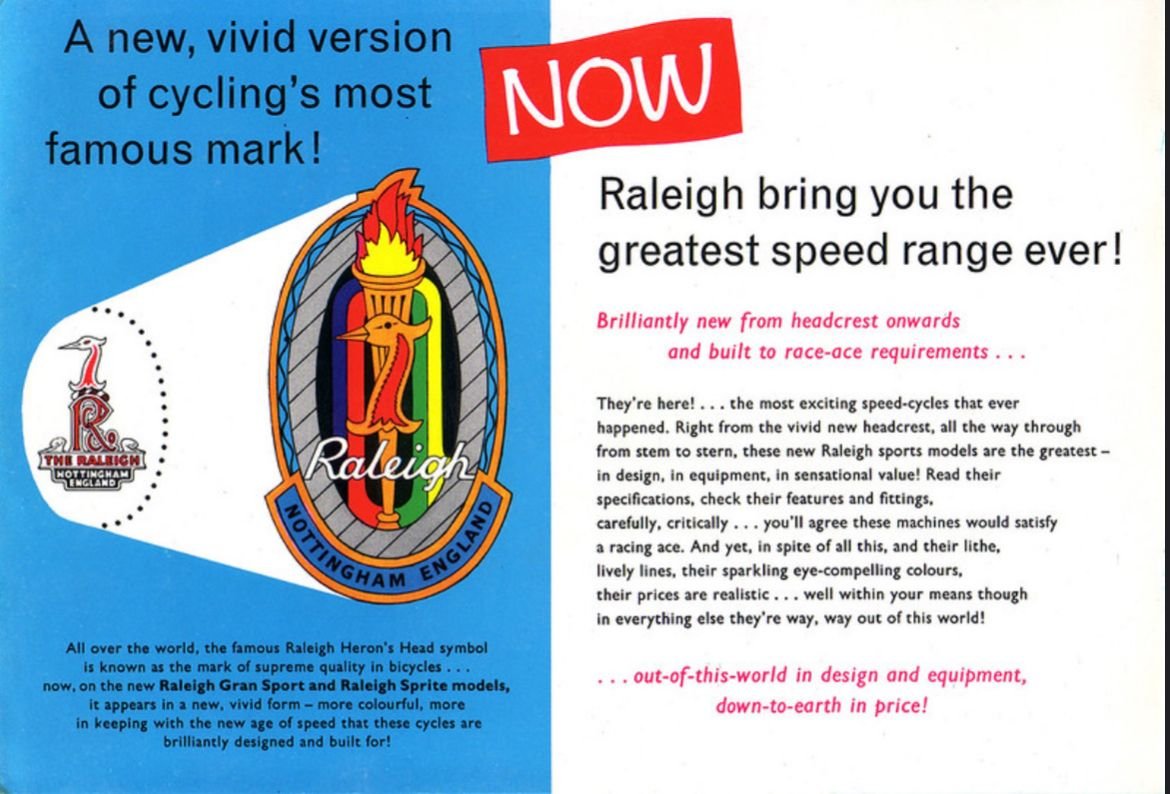
Edit: As @juvela has pointed out, the headbadge is an "anniversary" type, but that was apparently used for several years, mid-to-late-60s through 1970 at least. I have no idea what the anniversary was that this headbadge was supposed to celebrate. Per Wikipedia, Raleigh started business in the mid-1880s, and was taken over by Frank Bowden in 1888 or so, becoming a limited liability corporation in 1889.[/QUOTE]
The badge is from around the time of the 75th anniversary and was first used in 1962, sporadically on some of the Grand Sports and Sprites. I’ve often heard “Anniversary” but it’s not actually referenced as such in the ad I’ve placed below. From 63 until 67 the Raleigh Carlton was produced alongside the Catalina and both occasionally sported the badge. I’ve no idea why Raleigh wasn’t consistent about this but all of the models I’ve listed so far can be found with standard Herons or Anniversary style badges. Beginning in 1968 the badge was finally used more consistently on all road models from the lowest Record on up to the top of the catalog.
Last edited by Pcampeau; 09-08-24 at 01:21 PM.

 09-08-24 | 02:13 PM
#13
Senior Member
Joined: Feb 2013
Posts: 15,369
Likes: 4,393
From: Alta California
perchance am missing something here but doona see how hubs could be a pair
front be clearly a Normandy Sport of the "G2" type - i.e., oval flange holes
in this closeup image of the serial posted earlier we can see that the rear hub's flange
be stepped/relieved such that the area of the spoke holes is thicker in wall than that of flange wall immediately below
the presence of this feature rules out the possibility of a Normandy Sport model rear hub
me guess, and its only a wylde guess, would be that the rear hub is of asian origin, this would fit in with its Shimano branded QR skewer
if front & rear rims & spokes are a match then wheels were likely constructed at the same time
-----
09-08-24 | 02:35 PM
#14

Senior Member

Joined: Apr 2007
Posts: 12,569
Likes: 2,740
From: Thunder Bay, Ontario, Canada - burrrrr!
Bikes: 1958 Rabeneick 120D, 1968 Legnano Gran Premio, 196? Torpado Professional, 2000 Marinoni Piuma
Is it a Carlton or a Raleigh? This is the problem that has confounded me ever since this Carlton with a Raleigh head badge, came my way. Chances are this one is a project that I may never get to. Too many other projects have come my way this summer. At the moment, I am up to 20 bikes, most of which were given to me for free, including this Carlton (did not get the Carlton recently). I have everything for the bike, including the wheels complete with Weinmann alloy rims (don't see them often)...
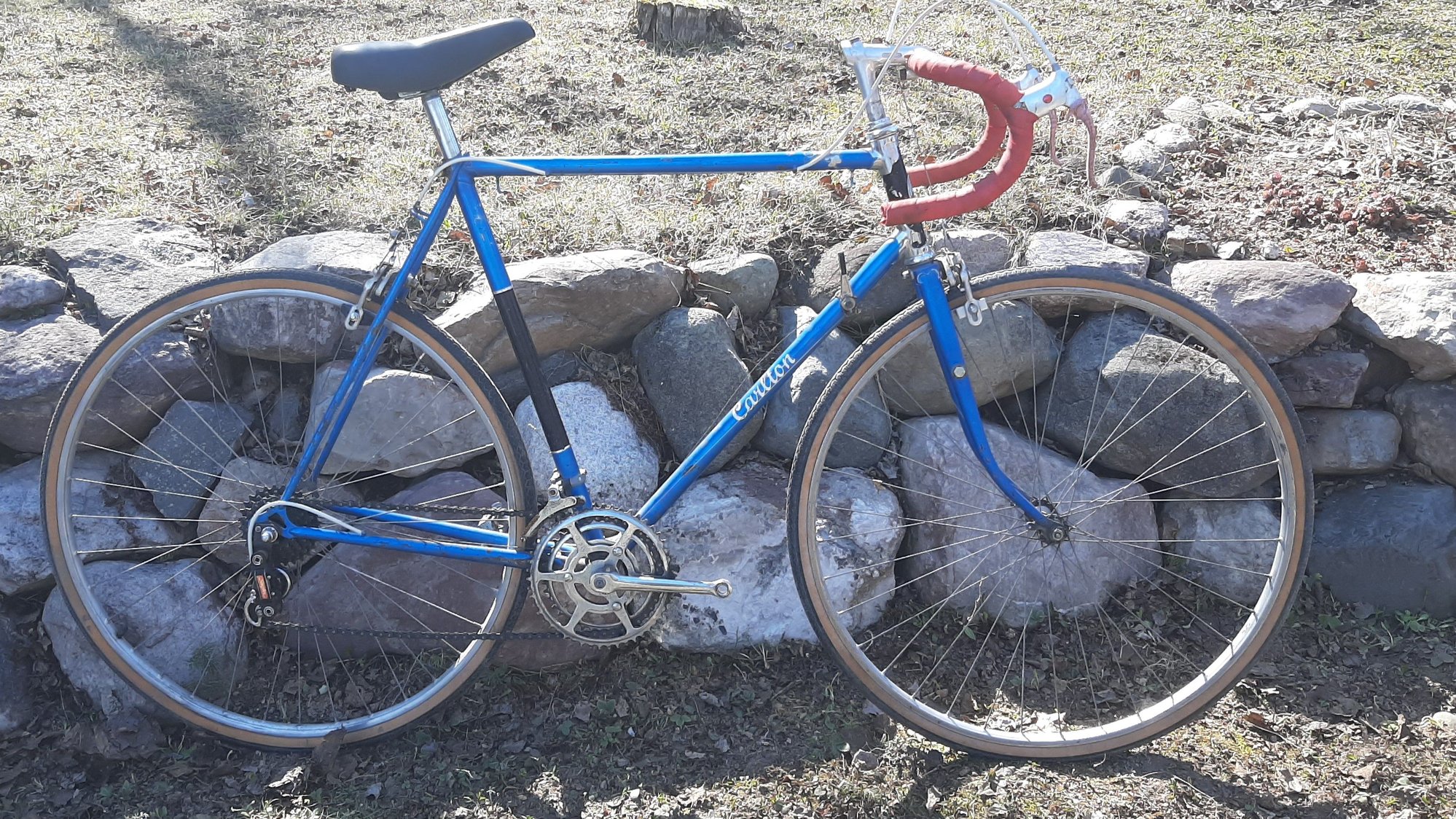

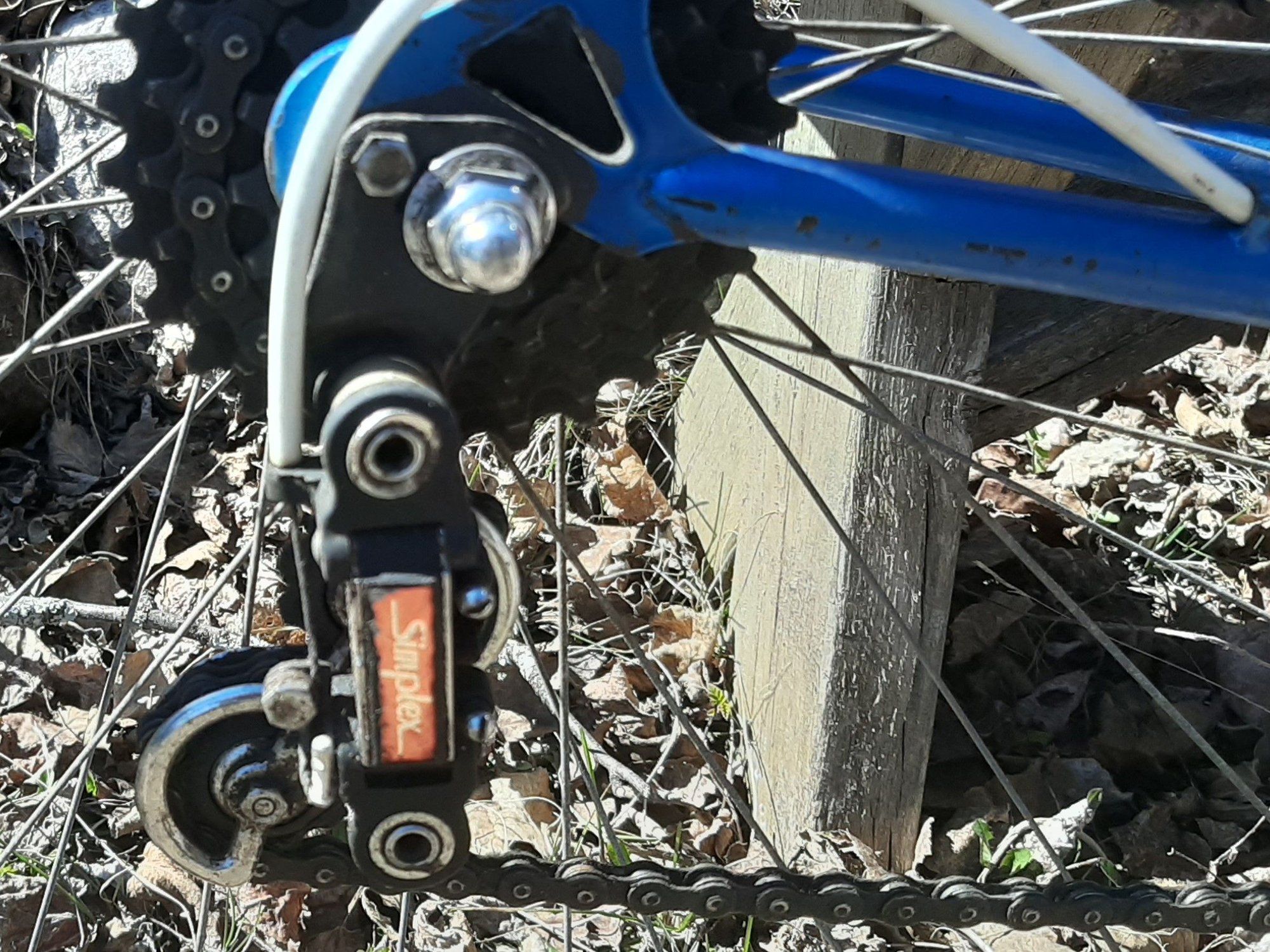
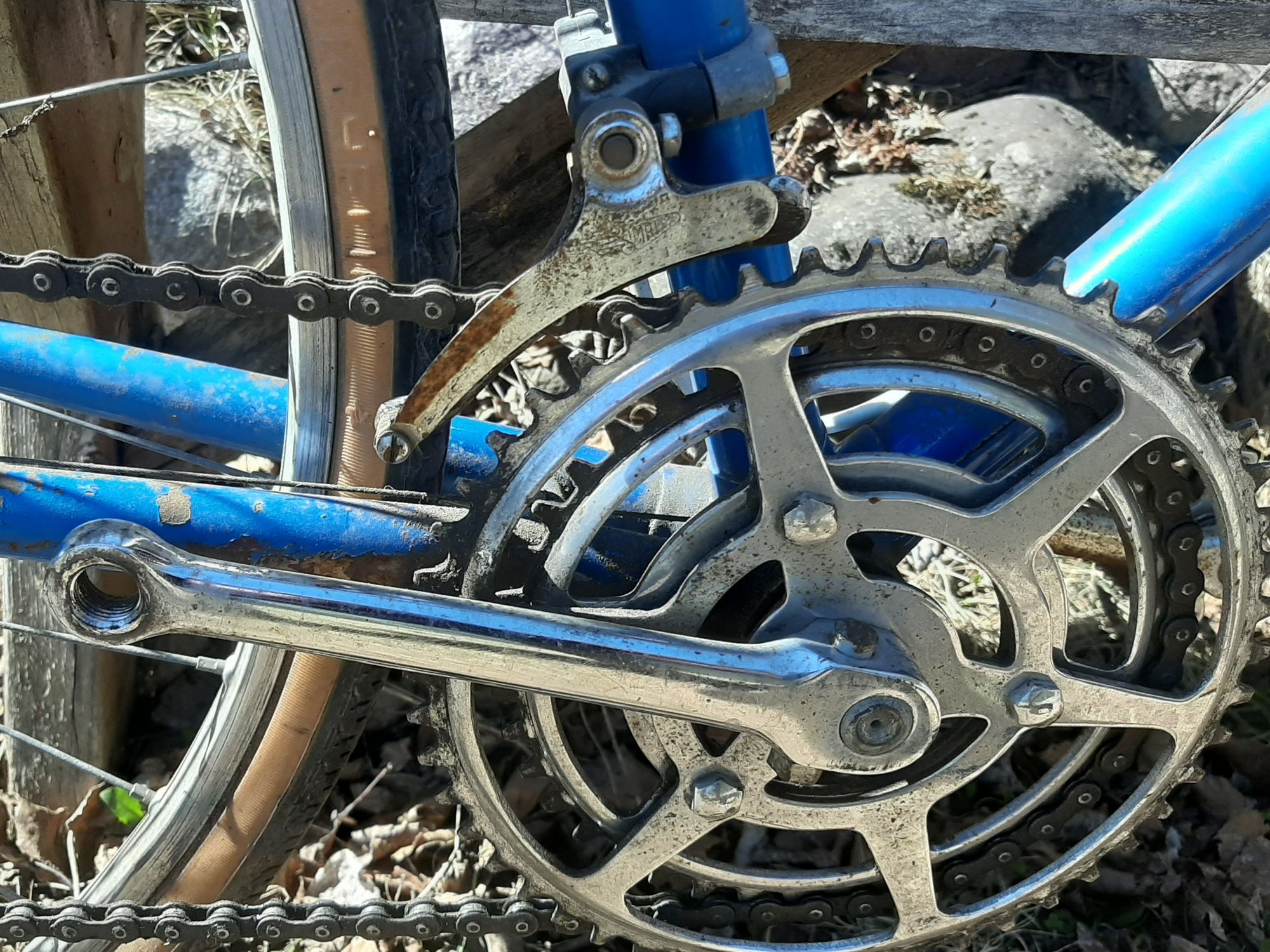
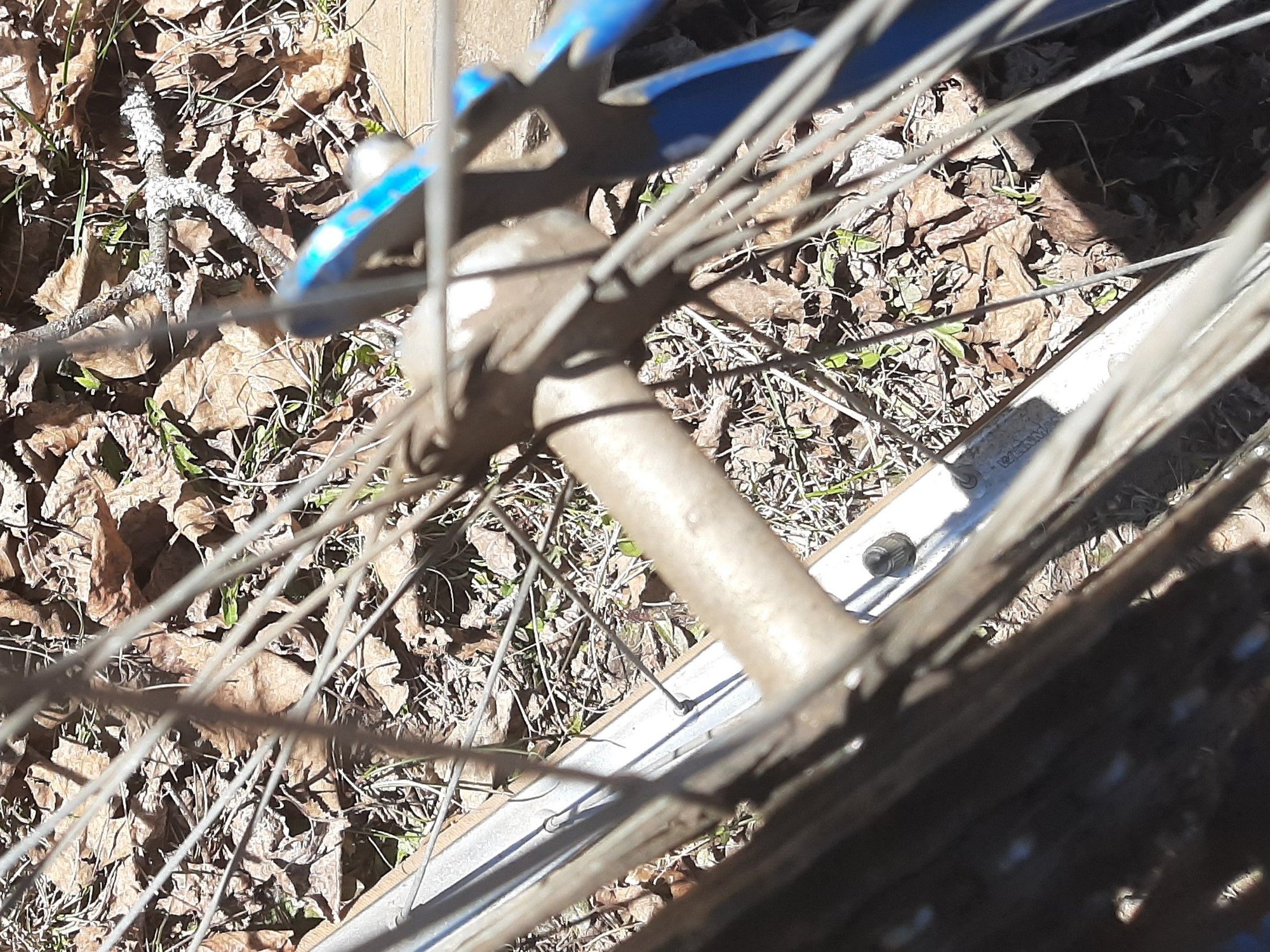
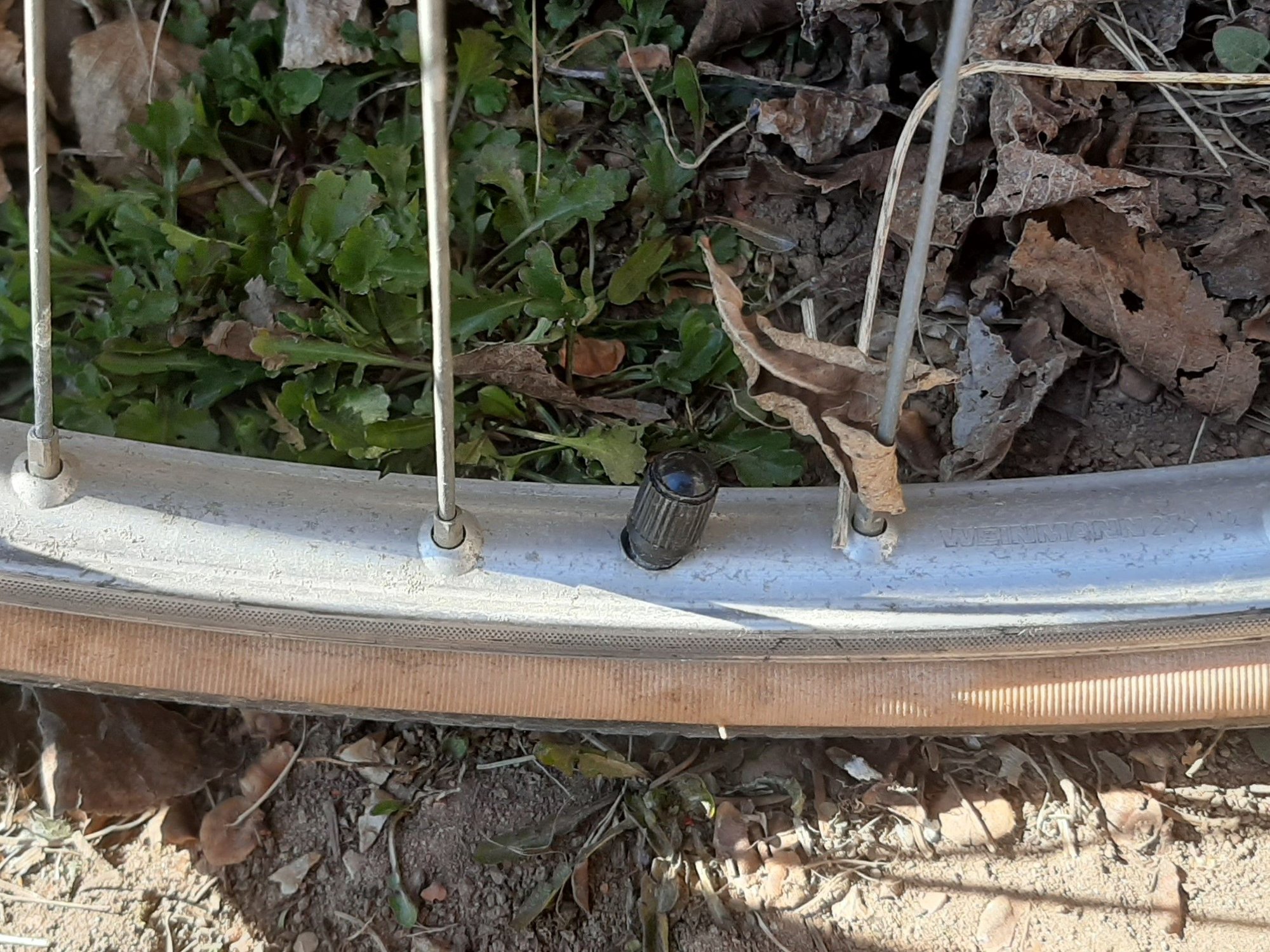
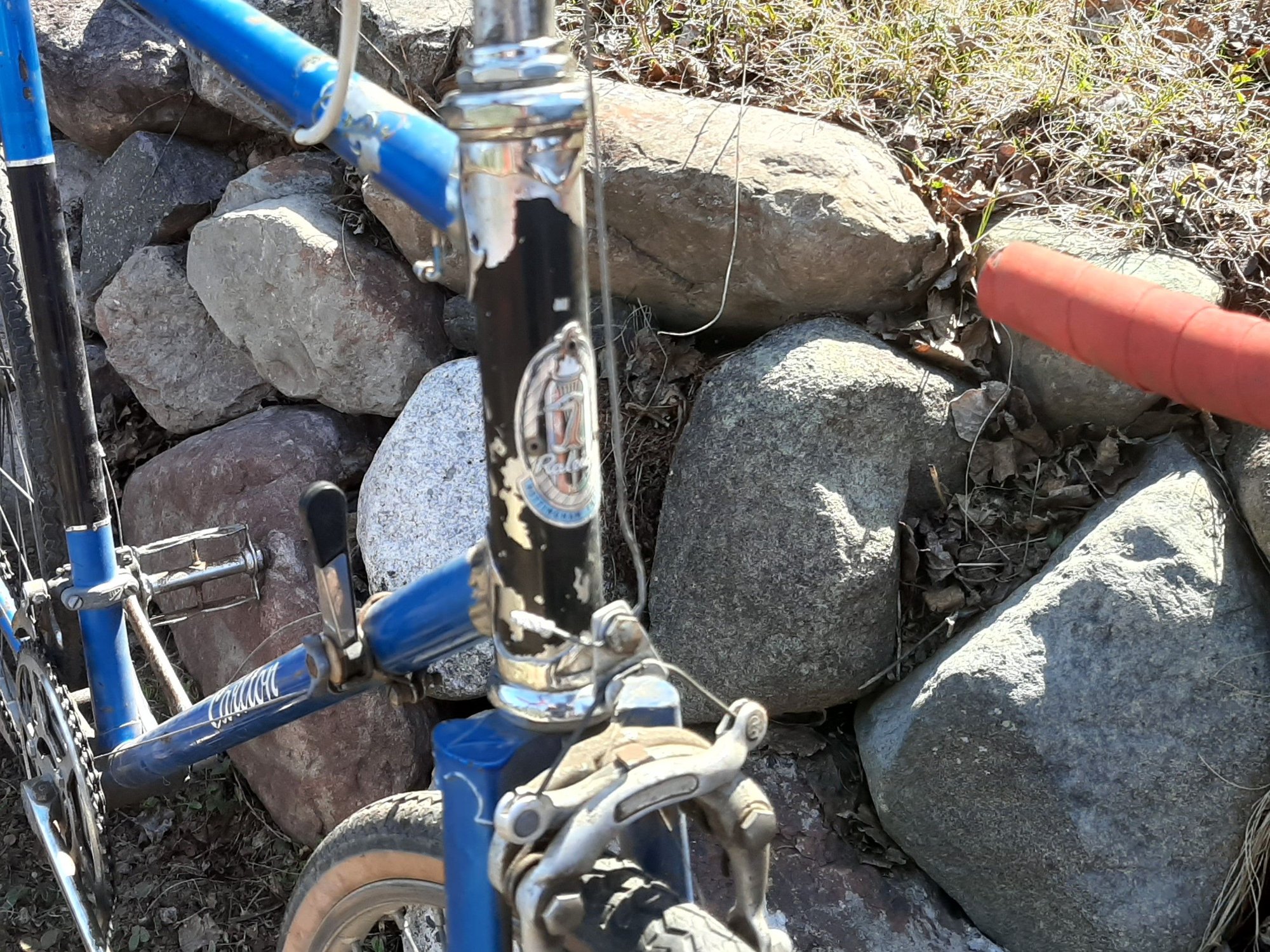
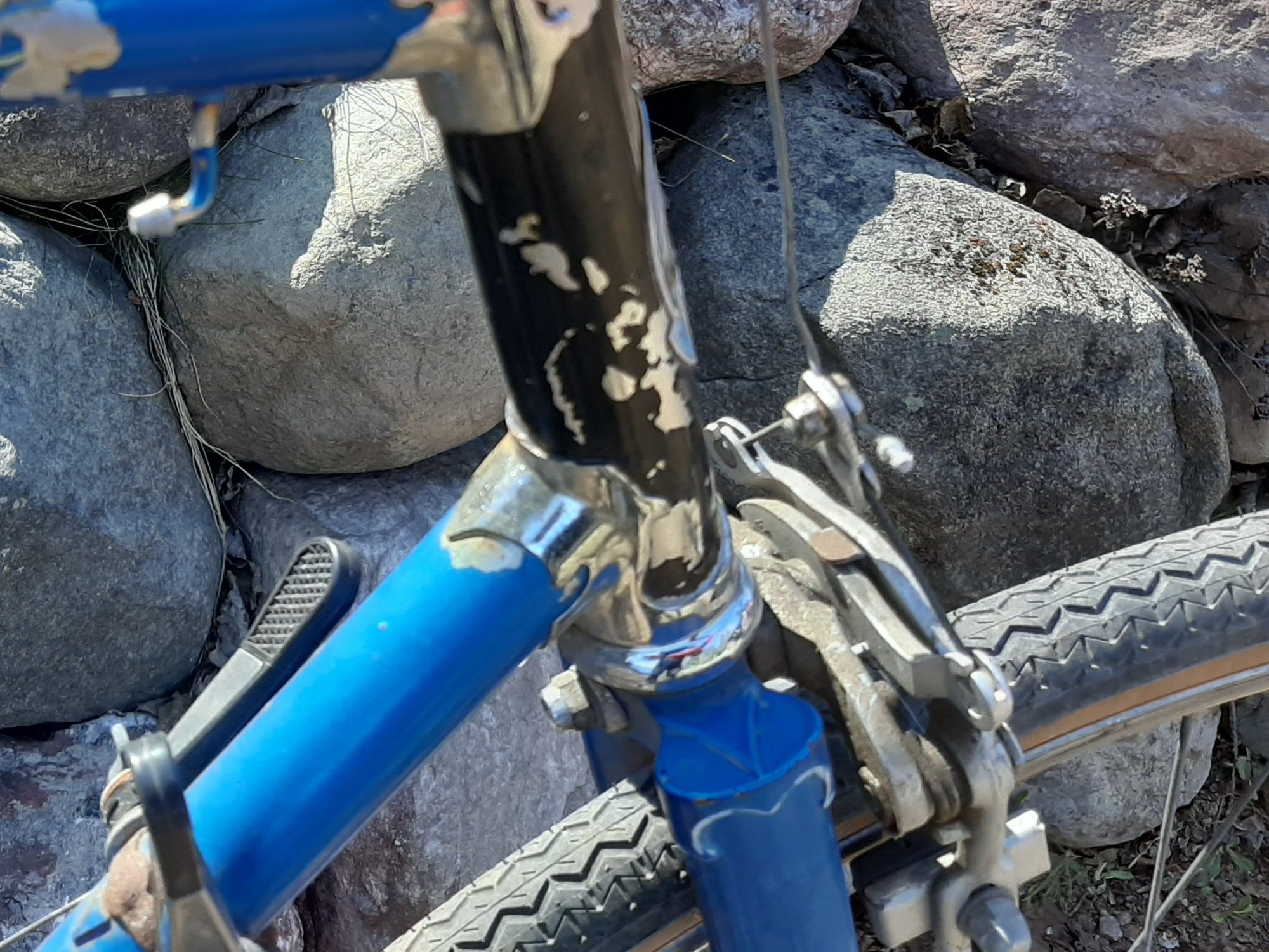
My guess is that the Carlton was badged by Raleigh when Raleigh bought Carlton out. That is just a guess...
My guess is that the Carlton was badged by Raleigh when Raleigh bought Carlton out. That is just a guess...
__________________
"98% of the bikes I buy are projects".
"98% of the bikes I buy are projects".
09-08-24 | 03:34 PM
#15

Senior Member
Joined: Aug 2016
Posts: 2,937
Likes: 3,623
From: Carmichael, CA
-Gregory
09-08-24 | 03:42 PM
#16
Thread Starter
Senior Member
Joined: Oct 2020
Posts: 1,533
Likes: 1,206
From: Phoenix, AZ
Bikes: 1964(?) Frejus Tour de France, 1967(?) Dawes Double Blue, 1979 Trek 710, 1982 Claud Butler Dalesman, 1983 Schwinn Paramount Elite, 1984 Miyata 1000, 2014 Brompton, maybe a couple more
Juvela - you are correct about the hubs. They look superficially similar with oval flange holes that are not readily visible in the rear photo, but the rear one is badged Shimano. The rims appear to be matching Mavic.
Here are the lug photos.
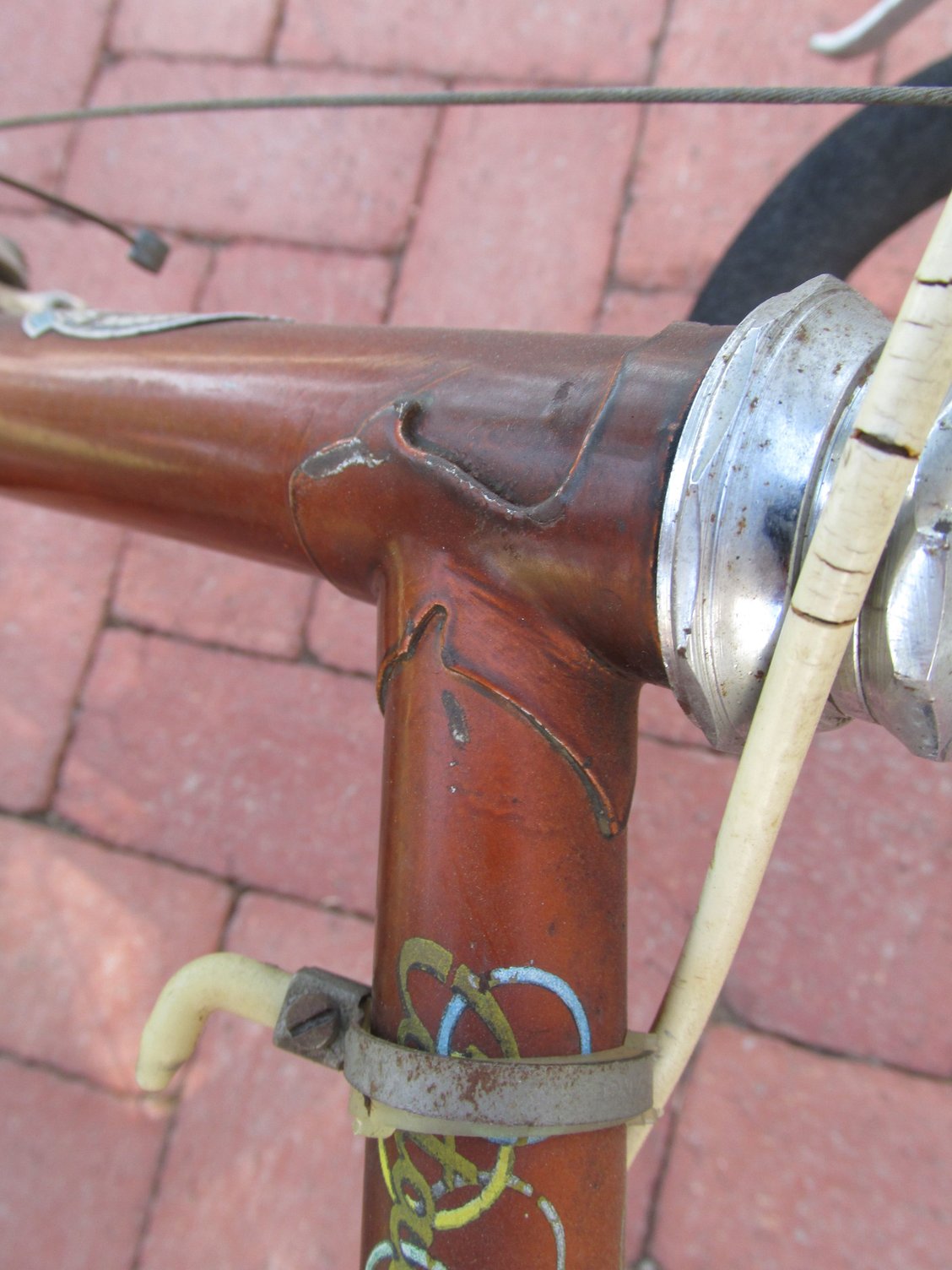
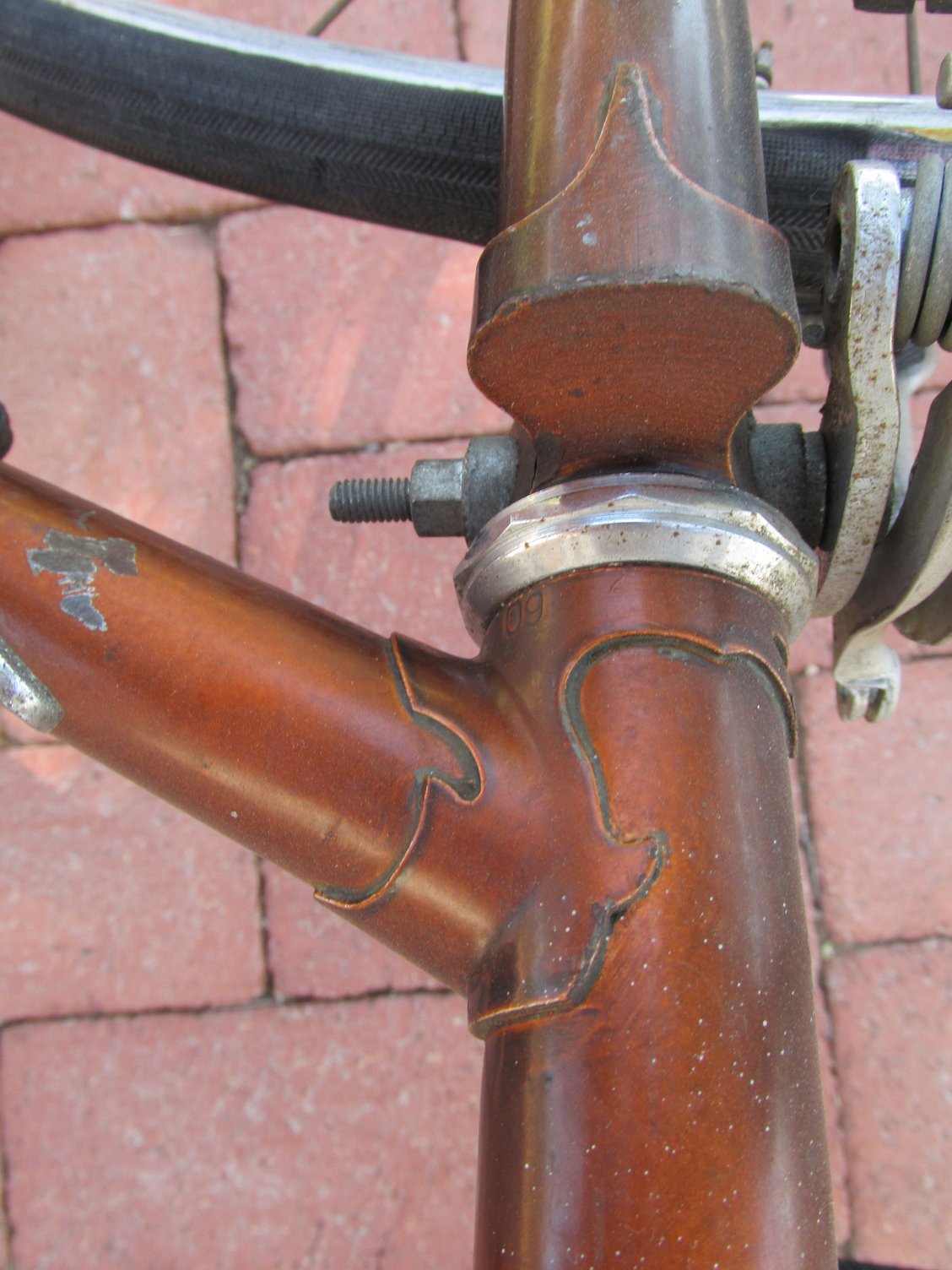


On further examination, the dramatic color differences in the first set of photos are because of dappled lighting - the photos were taken under a tree.
Here are the lug photos.
On further examination, the dramatic color differences in the first set of photos are because of dappled lighting - the photos were taken under a tree.
09-08-24 | 05:22 PM
#17
Senior Member


Joined: Dec 2005
Posts: 18,840
Likes: 11,734
If you haven't discovered it, this Peter Kohler article on Carlton and Raleigh is full of good stuff: https://on-the-drops.blogspot.com/20...cycles-us.html
Here's what he says about the Catalina model:
Here's what he says about the Catalina model:
One of the more successful and memorable 'sixties Carltons was the Catalina, a machine clearly aimed at the "aspirational" youth market and all the more treasured for it, often being a lad's first grown up "racer". Introduced for the 1958 season, its design was up-to-date enough with 72° parallel angles in 19-23" frame sizes and 73/71° for 24", oval section forks, Oscar Egg legs, Benelux or Simplex 5-speed gears, Williams chainset and Dunlop 27" x 1¼" rims. Advertised as a "new look" bicycle, it featured "Anodically" coloured finishes that were, shall we say, of their time. What the Catalina didn't have, at least for the British market, was light weight, most being made of 2030 steel tubing. In 1960, a Catalina Special All Chrome model was introduced and this was the model first exported to the United States the following year. In 1961, the distinctive Capella lugs and fork crowns were introduced. For the British market, the Catalina was finally withdrawn from the range in 1966 but continued to be exported to the U.S. through 1967.
09-08-24 | 07:44 PM
#18

feros ferio

Joined: Jul 2000
Posts: 22,416
Likes: 1,880
From: www.ci.encinitas.ca.us
Bikes: 1959 Capo Modell Campagnolo; 1960 Capo Sieger (2); 1962 Carlton Franco Suisse; 1970 Peugeot UO-8; 1982 Bianchi Campione d'Italia; 1988 Schwinn Project KOM-10;
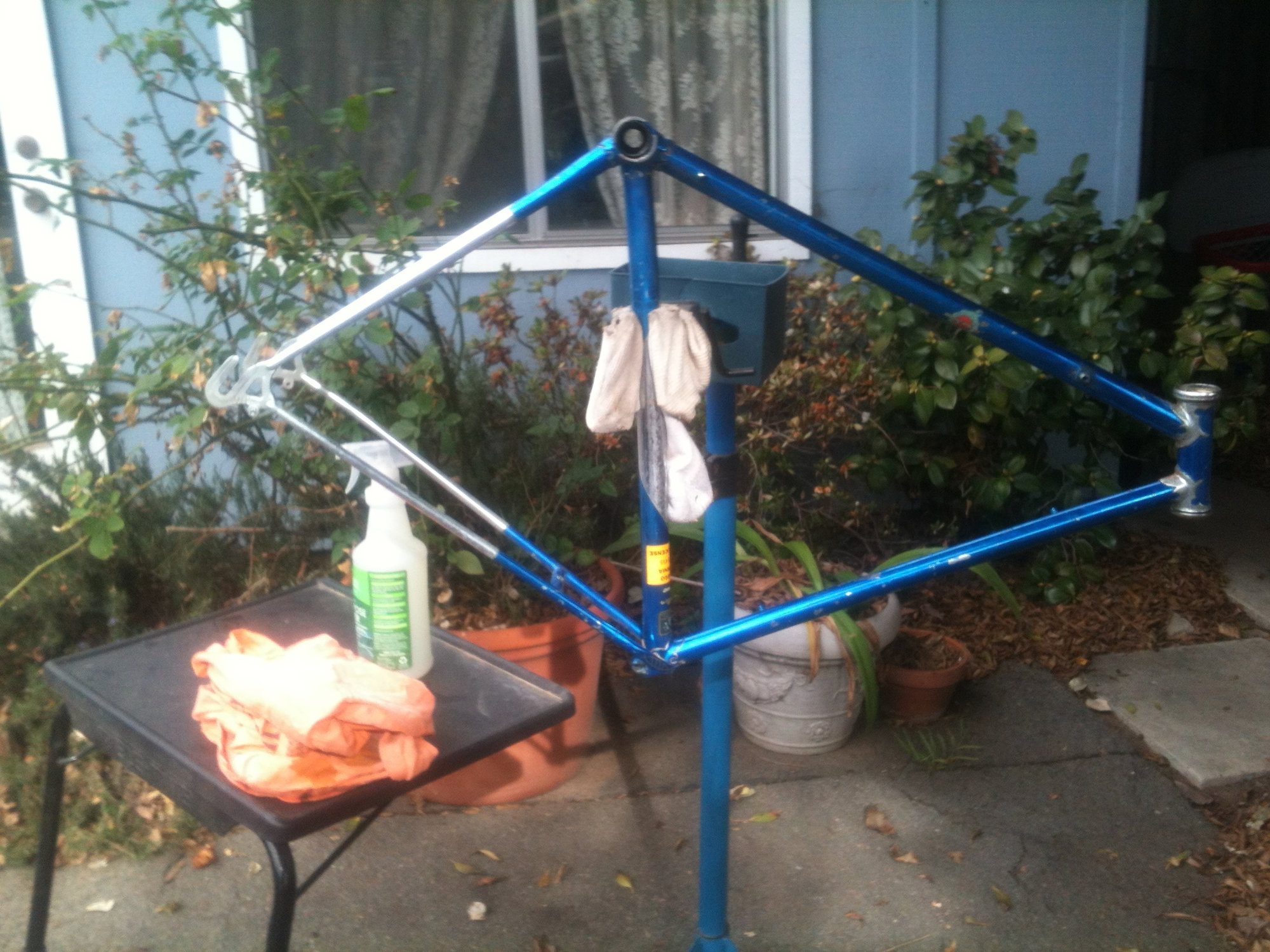
All stripped down and ready to rebuild.
__________________
"Far and away the best prize that life offers is the chance to work hard at work worth doing." --Theodore Roosevelt
Capo: 1959 Modell Campagnolo, S/N 40324; 1960 Sieger (2), S/N 42624, 42597
Carlton: 1962 Franco Suisse, S/N K7911
Peugeot: 1970 UO-8, S/N 0010468
Bianchi: 1982 Campione d'Italia, S/N 1.M9914
Schwinn: 1988 Project KOM-10, S/N F804069
"Far and away the best prize that life offers is the chance to work hard at work worth doing." --Theodore Roosevelt
Capo: 1959 Modell Campagnolo, S/N 40324; 1960 Sieger (2), S/N 42624, 42597
Carlton: 1962 Franco Suisse, S/N K7911
Peugeot: 1970 UO-8, S/N 0010468
Bianchi: 1982 Campione d'Italia, S/N 1.M9914
Schwinn: 1988 Project KOM-10, S/N F804069
Last edited by John E; 09-08-24 at 07:49 PM.
 09-08-24 | 08:31 PM
#19
Senior Member
Joined: Aug 2017
Posts: 1,123
Likes: 999
From: Minneapolis
Bikes: 1960 Carlton Franco Suisse,1974 Peugeot PX10, 1970 Hetchins, 1953 Rotrax Super Course, 1972 and 78 Raleigh Professionals, 1972 Schwinn Paramount, 1972 Motobecane Le Champion, 1965 and 67 Carlton Flyers, 1975 Raleigh International, 1972 Gitane TDF
According to the website Carlton Cycles U.K. a serial number beginning with U should be from 1967. 1963 was L. albrt has it correct (most likely) in post #1.
https://carltoncycles.uk/
https://carltoncycles.uk/
Last edited by Pcampeau; 09-08-24 at 08:41 PM.
09-08-24 | 10:24 PM
#20
Thread Starter
Senior Member
Joined: Oct 2020
Posts: 1,533
Likes: 1,206
From: Phoenix, AZ
Bikes: 1964(?) Frejus Tour de France, 1967(?) Dawes Double Blue, 1979 Trek 710, 1982 Claud Butler Dalesman, 1983 Schwinn Paramount Elite, 1984 Miyata 1000, 2014 Brompton, maybe a couple more
Yes, carltoncycles was the reference I originally saw, but the details of the bike are not consistent with other documentation of what was offered in 1967, and the individual examples I have seen online do not seem consistent with the table at the Carlton site. I remain open to persuasion on the date.
09-08-24 | 11:07 PM
#21
Senior Member
Joined: Aug 2016
Posts: 2,937
Likes: 3,623
From: Carmichael, CA
I have a bunch of the catalogs scanned from this period. The last year that the Catalina model was offered in the Carlton UK line was 1965. I don't have Raleigh US catalogs from 1963-66, but in 1967 the "Raleigh Carlton" was offered (and was no longer in 1968), and I've got photo documentation of another one of those that retains the Carlton downtube decal as you have here.
The fact is that especially with the low-end models, after Raleigh started having Carlton manufacture bikes with Raleigh branding, there were at least a couple of very confusing years on the production line based on the variety of frame details, transfers, color schemes, and component choices I've seen.
I would say that trusting the serial # is the best bet, but I also know that some of the earlier information (from the 1940s-50s) provided on the site used above is a bit poorly researched.
-Gregory

The fact is that especially with the low-end models, after Raleigh started having Carlton manufacture bikes with Raleigh branding, there were at least a couple of very confusing years on the production line based on the variety of frame details, transfers, color schemes, and component choices I've seen.
I would say that trusting the serial # is the best bet, but I also know that some of the earlier information (from the 1940s-50s) provided on the site used above is a bit poorly researched.
-Gregory
09-09-24 | 02:26 AM
#22
Senior Member
Joined: Feb 2020
Posts: 4,048
Likes: 2,360
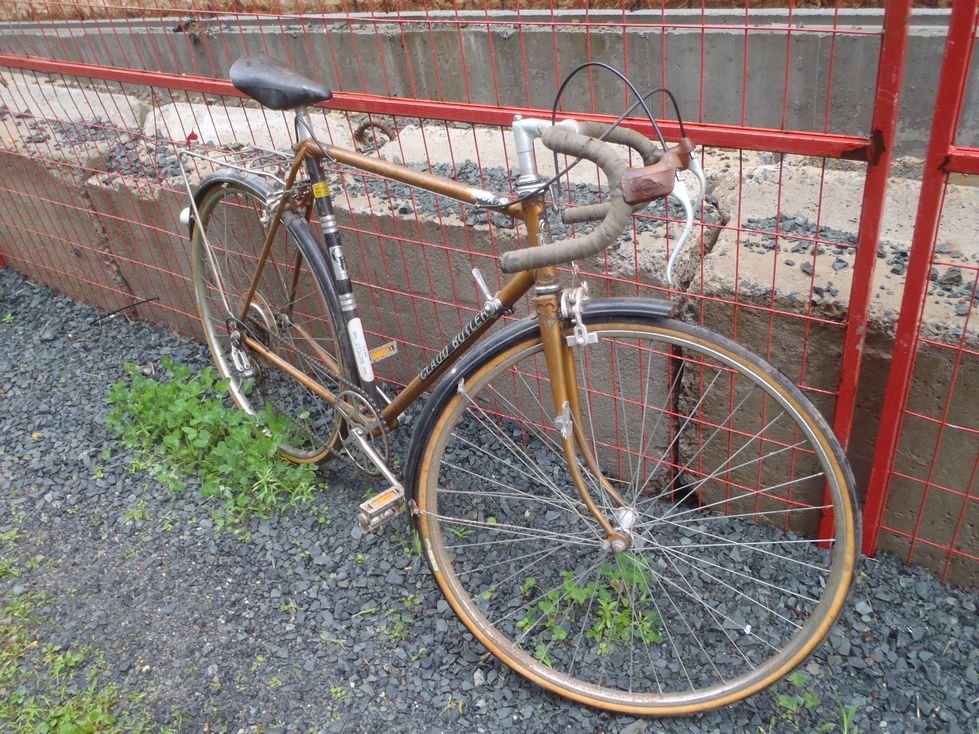
The "butted frame tubes" means only that the frame main triangle is 531 butted (the seat tube probably single butted -- no butt at the top if a 27.2 mm seat post fits). It probably means that the rear chain and seat stays are not R531, but doesn't mean that the fork blades are not -- I have a 1972 Raleigh Competition with exactly that seat tube decal, but the fork blades also have the triangular "531 forks" decals.
 09-09-24 | 12:26 PM
#23
Thread Starter
Senior Member
Joined: Oct 2020
Posts: 1,533
Likes: 1,206
From: Phoenix, AZ
Bikes: 1964(?) Frejus Tour de France, 1967(?) Dawes Double Blue, 1979 Trek 710, 1982 Claud Butler Dalesman, 1983 Schwinn Paramount Elite, 1984 Miyata 1000, 2014 Brompton, maybe a couple more
AHA! The rear brake caliper has a 63 under the 610 on one of the arms. Rear brake calipers are well known to be the most reliable dating method for 1963 Raleigh/Carlton hybrids.
Edit - the front caliper is not a Weinmann, it has a logo I don't recognize that appears to be a JS within a circle.
Stem is stuck pretty hard. Too bad - the Hiduminium stem with the cable stop hole might be the most valuable piece on the bike. Well, aside from the seatclamp nut with the red "C" face on it.
Edit - the front caliper is not a Weinmann, it has a logo I don't recognize that appears to be a JS within a circle.
Stem is stuck pretty hard. Too bad - the Hiduminium stem with the cable stop hole might be the most valuable piece on the bike. Well, aside from the seatclamp nut with the red "C" face on it.
Last edited by albrt; 09-09-24 at 12:36 PM.
09-09-24 | 05:20 PM
#24
Thread Starter
Senior Member
Joined: Oct 2020
Posts: 1,533
Likes: 1,206
From: Phoenix, AZ
Bikes: 1964(?) Frejus Tour de France, 1967(?) Dawes Double Blue, 1979 Trek 710, 1982 Claud Butler Dalesman, 1983 Schwinn Paramount Elite, 1984 Miyata 1000, 2014 Brompton, maybe a couple more
Seatpost and clamp cleaned up pretty nicely (wow, these photos are cruel, it looks better in person). Raleigh certainly did make some interesting choices about where to put quality chrome (hint - usually not the frame).
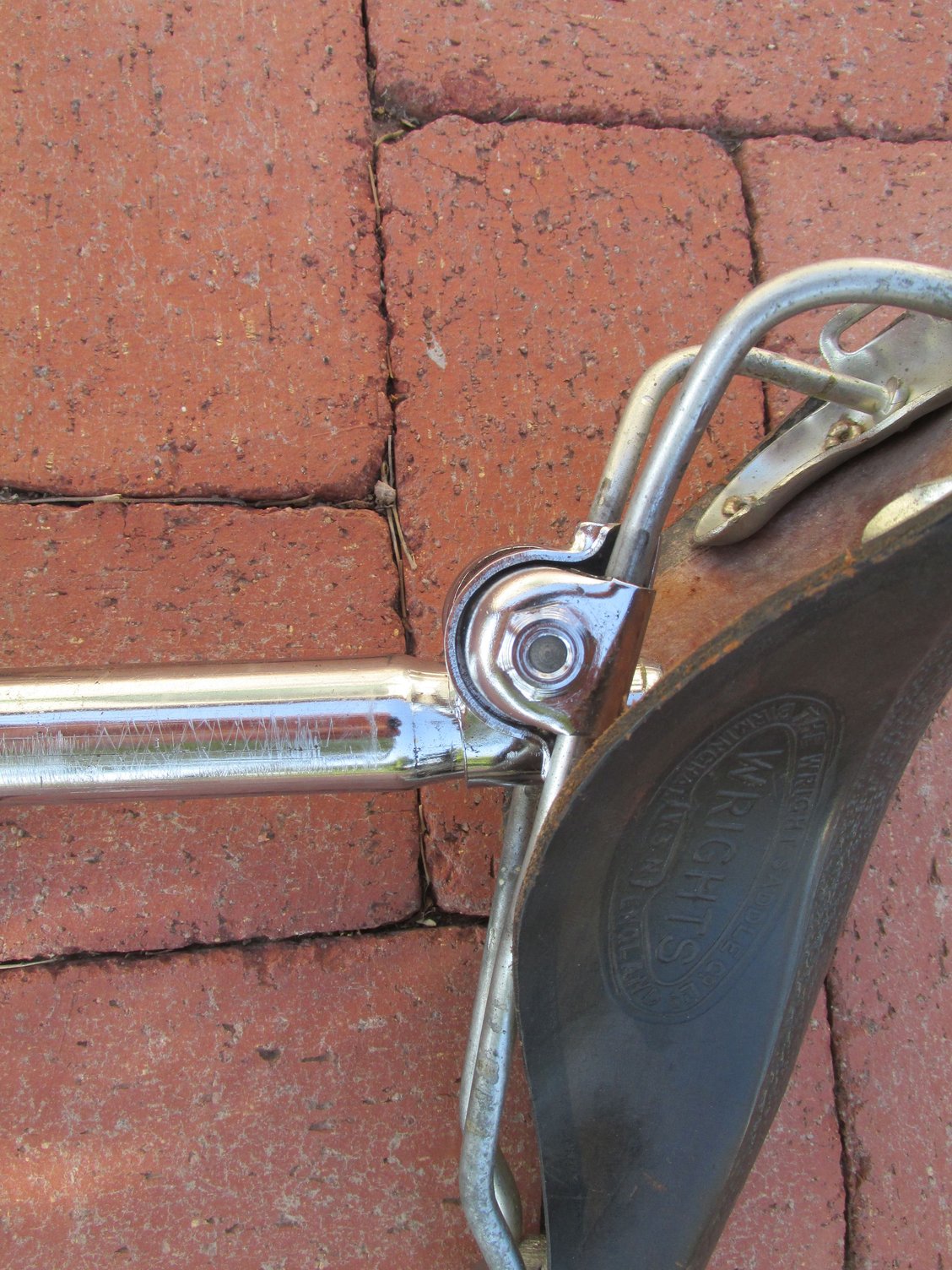
I also realized I didn't include a frontal view of the head tube lugs.
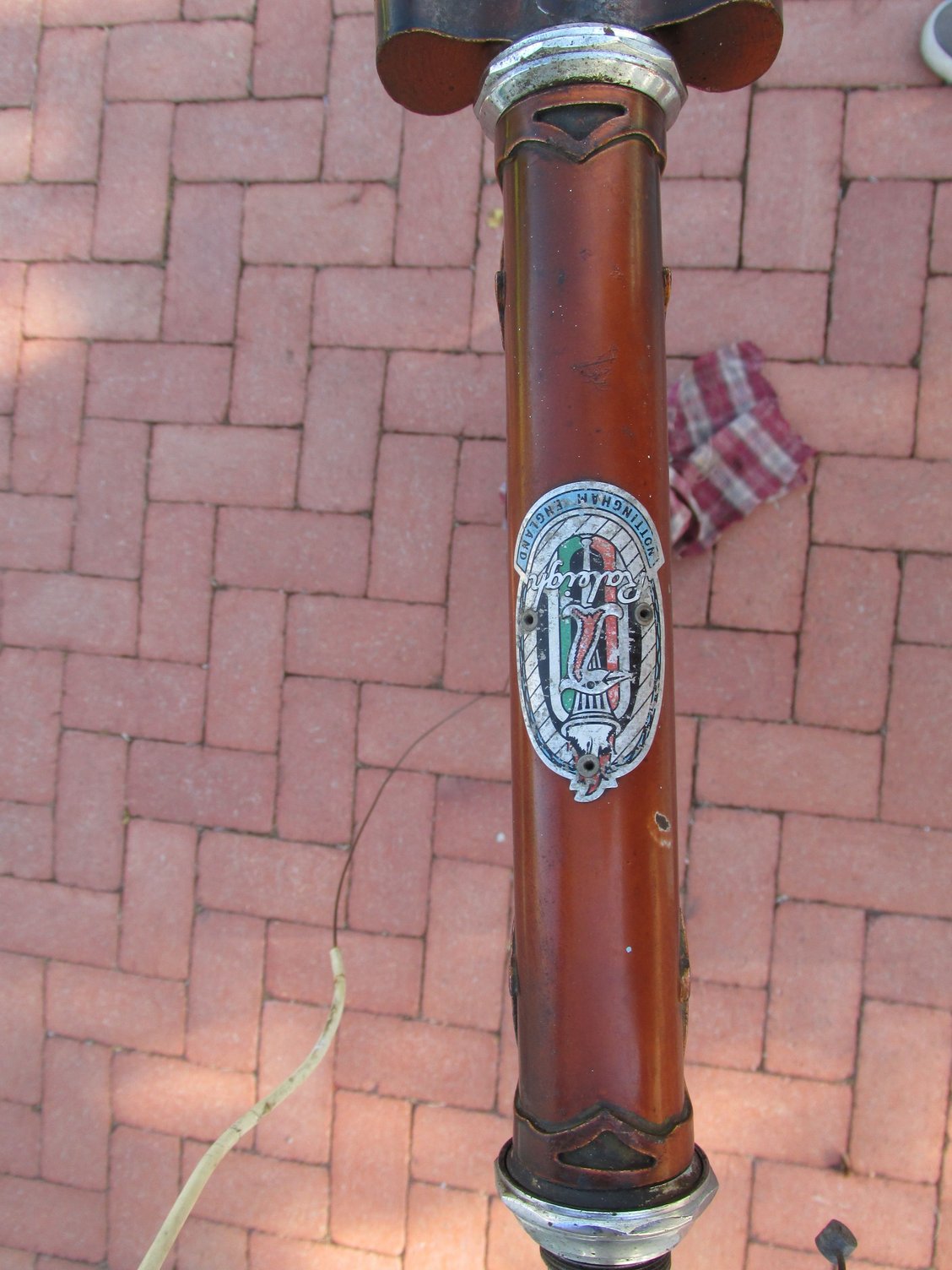
I also realized I didn't include a frontal view of the head tube lugs.
09-09-24 | 06:21 PM
#25
Thread Starter
Senior Member
Joined: Oct 2020
Posts: 1,533
Likes: 1,206
From: Phoenix, AZ
Bikes: 1964(?) Frejus Tour de France, 1967(?) Dawes Double Blue, 1979 Trek 710, 1982 Claud Butler Dalesman, 1983 Schwinn Paramount Elite, 1984 Miyata 1000, 2014 Brompton, maybe a couple more
List of questions in the thread that have not been addressed, in case some kind soul has an answer:
1. Does anybody have experience with bathing this copper color in oxalic acid?
2. I think I have most relevant angles of the lugs now, so do they give any aid in dating? From what I have seen they used what was on hand for the mid-range models in the mid-60s, except that the "Capella" model usually had Capella lugs (which these are not). juvela
3. Does anybody know if the Dunlop Sprite listed in the catalog was a tubular tire? Or does the term "high pressure" in the 1960s mean tubular? I'm trying to figure out if the tubular rims and the front Normandy hub were likely to be original equipment. If they are, then the oval high flanges place the bike toward the end of the likely date range.
1. Does anybody have experience with bathing this copper color in oxalic acid?
2. I think I have most relevant angles of the lugs now, so do they give any aid in dating? From what I have seen they used what was on hand for the mid-range models in the mid-60s, except that the "Capella" model usually had Capella lugs (which these are not). juvela
3. Does anybody know if the Dunlop Sprite listed in the catalog was a tubular tire? Or does the term "high pressure" in the 1960s mean tubular? I'm trying to figure out if the tubular rims and the front Normandy hub were likely to be original equipment. If they are, then the oval high flanges place the bike toward the end of the likely date range.