


Mavic Open Pro ?
 10-13-24 | 11:05 AM
#1

Thread Starter
Senior Member


Joined: Apr 2009
Posts: 2,878
Likes: 1,911
From: NorCal
Mavic Open Pro ?
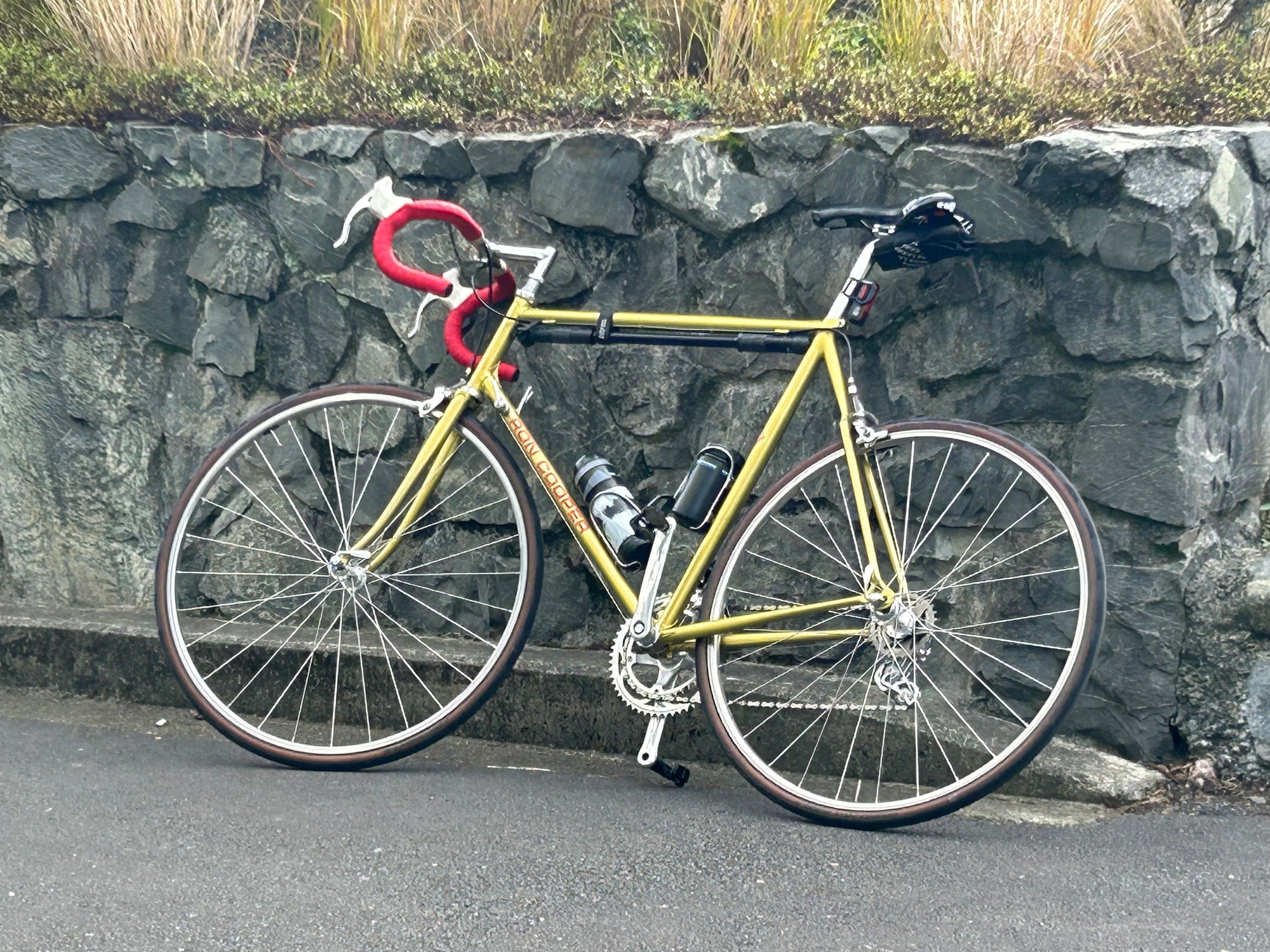
I thought that I would like to build some nice wheels for the Serotta Nova Special. DA hubs, DT stainless, Mavic silver/32h Open Pros. Silly me. Maybe in an alternate reality. Looks like I might as well just get a couple more CR-18's and move on.
Any suggestions ?
Any suggestions ?


 10-13-24 | 11:33 AM
#3

Senior Member


Joined: Jan 2015
Posts: 5,788
Likes: 3,361
From: Los Angeles
Bikes: 82 Medici, 85 Ironman, 2011 Richard Sachs
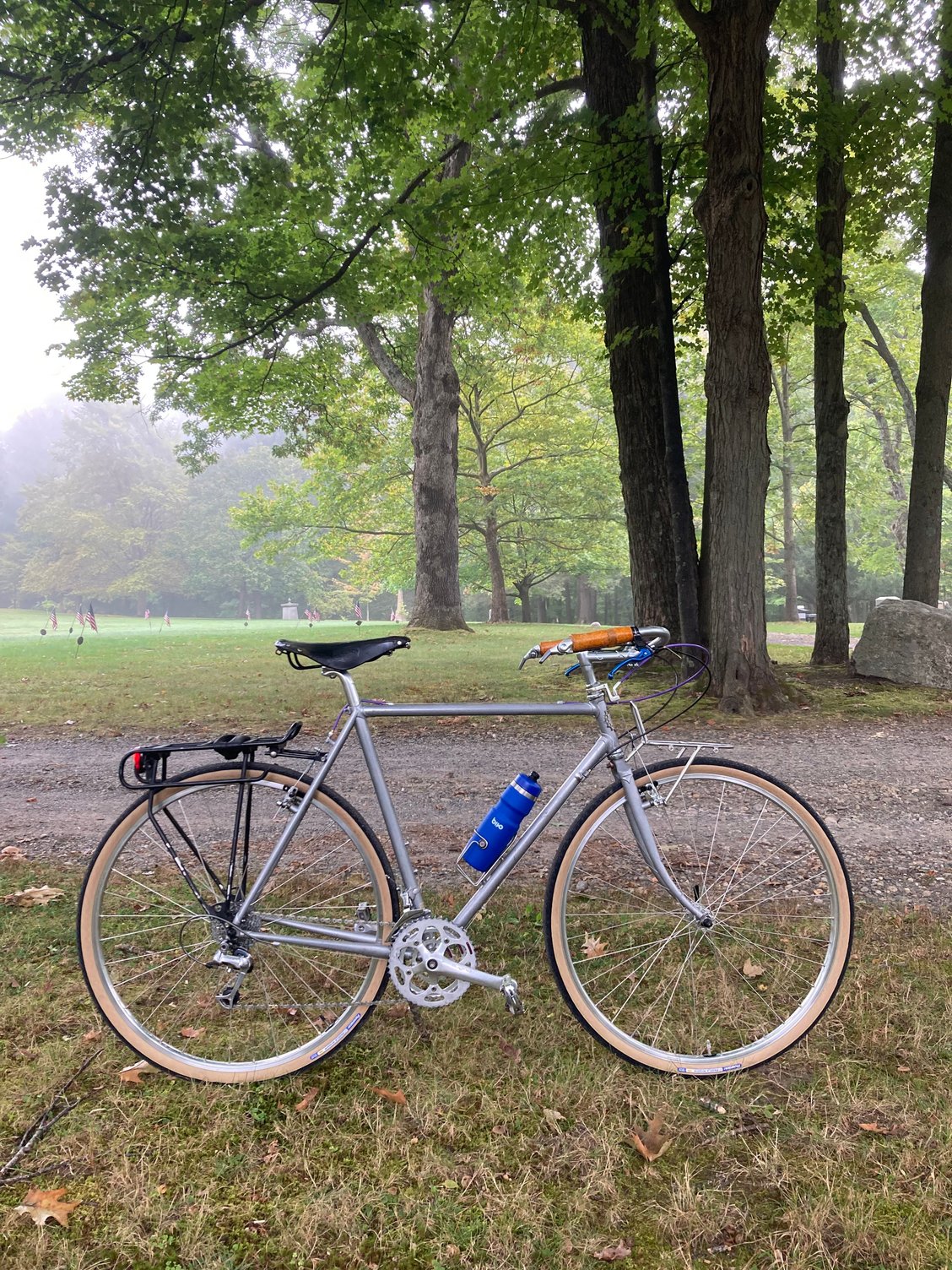
I’ve ended up with a couple pairs of the black ones and they don’t look too bad—with large flange Campy hubs on my Medici and Ultegra hubs on my son’s Ironman. You cannot put CR18s on a Serotta! If you need silver and new, maybe go Velocity A23? I wish they still made the Aerohead.
__________________
I don't do: disks, tubeless, e-shifting, or bead head nymphs. But I do hate all e-bikes.
I don't do: disks, tubeless, e-shifting, or bead head nymphs. But I do hate all e-bikes.
10-13-24 | 06:19 PM
#4
Full Member
Joined: Mar 2022
Posts: 215
Likes: 111
From: Australia
I think Open Elites are still available in silver and 32 hole.
 10-13-24 | 07:03 PM
#6

Senior Member
Joined: Mar 2015
Posts: 3,164
Likes: 954
From: Western MI
I happened to see these on Velomine the other day and have been trying to create a need. Mavic Open Elite in silver for 8-11 spd. Really good price.
https://velomine.com/products/wheel-...-silver-spokes
https://velomine.com/products/wheel-...-silver-spokes
10-13-24 | 07:06 PM
#7


Super Moderator

Joined: Jul 2004
Posts: 21,979
Likes: 1,154
From: Ffld Cnty Connecticut
Bikes: Old Steelies I made, Old Cannondales
Open Pros crack at the spoke hole.
__________________
Bikes: Old steel race bikes, old Cannondale race bikes, less old Cannondale race bike, crappy old mtn bike.
FYI: https://www.bikeforums.net/forum-sugg...ad-please.html
Bikes: Old steel race bikes, old Cannondale race bikes, less old Cannondale race bike, crappy old mtn bike.
FYI: https://www.bikeforums.net/forum-sugg...ad-please.html
10-14-24 | 11:08 AM
#9

aka: Dr. Cannondale


Joined: Jul 2009
Posts: 8,663
Likes: 6,323
You can still find silver Open Pro’s on eBay from time to time, set up a search and get notified.
Excellent rims, I have several wheels built with them and they have survived Cino, Eroica, and many week-long tours without any problems.
Open Elites - pretty similar rim, single eyeletted instead of double- are a good second choice for a road rim.
If you’re looking at somethign other than Mavic rims, check out Kinlin rims. Very robust, hold a true, look good.
A23’s are excellent rims, make a very strong wheel, especially if you use an asymmetric rear. Wider than Open Pro’s.
Excellent rims, I have several wheels built with them and they have survived Cino, Eroica, and many week-long tours without any problems.
Open Elites - pretty similar rim, single eyeletted instead of double- are a good second choice for a road rim.
If you’re looking at somethign other than Mavic rims, check out Kinlin rims. Very robust, hold a true, look good.
A23’s are excellent rims, make a very strong wheel, especially if you use an asymmetric rear. Wider than Open Pro’s.
__________________
Hard at work in the Secret Underground Laboratory...
Hard at work in the Secret Underground Laboratory...
 10-14-24 | 12:19 PM
#11
Thread Starter
Senior Member
Joined: Apr 2009
Posts: 2,878
Likes: 1,911
From: NorCal
Yeah, I've been riding Mavics since Mod E. Never had a problem.
I have a set of Bontrager
Nebula wheels on it now but the black is just too boring.
Thanks for the suggestions
Charlie
I have a set of Bontrager
Nebula wheels on it now but the black is just too boring.
Thanks for the suggestions
Charlie
Last edited by Steel Charlie; 10-14-24 at 12:28 PM.
10-14-24 | 12:57 PM
#12
Senior Member
Joined: Dec 2005
Posts: 18,770
Likes: 11,500
Soma has been at various points selling their Weymouth rim for cheap. It comes in both 650B and 700c and looks like a high polish CR-18, but just a bit narrower:
https://www.somafabshop.com/shop/som...#attr=4522,702
I haven't actually built any wheels with them yet, but have a plan for the 650B version.
https://www.somafabshop.com/shop/som...#attr=4522,702
I haven't actually built any wheels with them yet, but have a plan for the 650B version.


 10-14-24 | 03:11 PM
#14

Senior Member
Joined: Apr 2007
Posts: 12,565
Likes: 2,739
From: Thunder Bay, Ontario, Canada - burrrrr!
Bikes: 1958 Rabeneick 120D, 1968 Legnano Gran Premio, 196? Torpado Professional, 2000 Marinoni Piuma
I have a set of Mavic rims, NOS I think, 32 hole and I will never use them. Mavic CX222 or something like that. Been meaning to put them up on the For Sale forum. Sorry, no picture at the moment.
__________________
"98% of the bikes I buy are projects".
"98% of the bikes I buy are projects".

 10-14-24 | 08:22 PM
#17

Senior Member
Joined: Jun 2022
Posts: 995
Likes: 2,439
Weight may be a consideration when selecting silver clincher rims. There seems to be an increasing number of, shall we say robust, rims entering the fray and comparing near-400gm Opens with near-600gm randonneuring renaissance rims may not be entirely fair.
__________________
Nothing quite says wall hanger like drillium toe straps
Nothing quite says wall hanger like drillium toe straps
 10-14-24 | 09:53 PM
#18

Senior Member
Joined: Nov 2013
Posts: 1,965
Likes: 1,136
From: Southern California
Bikes: 1981 Univega Super Special, '80s Custom Chris Pauley, 1972 Fuji 'The Finest'
Improper for some/many vintage frames considering it isn't box section and is black...but dt swiss r460 rims are great.
10-15-24 | 12:48 AM
#19
Highly Enriched Driftium

Joined: Apr 2017
Posts: 6,708
Likes: 2,173
I have never seen any double-socket/eyelet rim crack at the spoke hole. They are incredibly resistant to metal fatigue, which is the only reason they add all that weight out at the rim with those additional steel thimbles, so each spoke pulls on both inner and outer walls. If there was a version that was only simple standard rivets, sure, they eventually crack like other rims.
Last edited by Duragrouch; 10-15-24 at 12:53 AM.
10-15-24 | 04:49 AM
#20

I have never seen any double-socket/eyelet rim crack at the spoke hole. They are incredibly resistant to metal fatigue, which is the only reason they add all that weight out at the rim with those additional steel thimbles, so each spoke pulls on both inner and outer walls. If there was a version that was only simple standard rivets, sure, they eventually crack like other rims.
"Dark anodized rims were introduced a few years ago as a fashionable alternative to shiny metal finish, possibly as a response to non metallic composites. Some of these rims were touted as HARD anodized, implying greater strength. Hard anodizing of aluminum, in contrast to cosmetic anodizing, produces a porous ceramic oxide that forms in the surface of the metal, as much as 1/1000 inch thick, about half below the original surface and half above. It is not thick enough to affect the strength of the rim, but because it is so rigid, it acts like a thin coat of paint on a rubber band. The paint will crack as the rubber stretches before any load is carried by the rubber. Similarly, anodizing cracks before the aluminum carries any significant load."
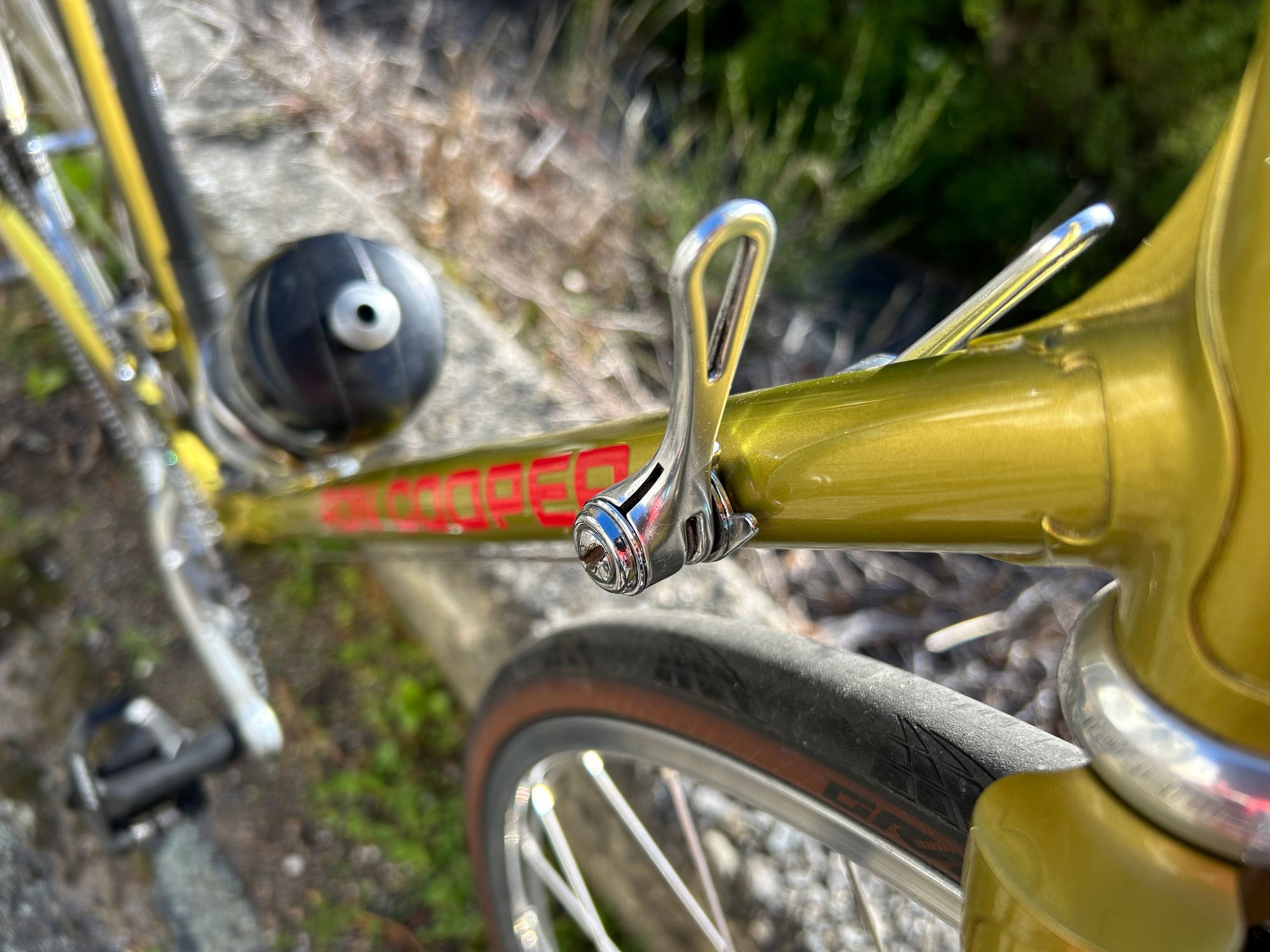
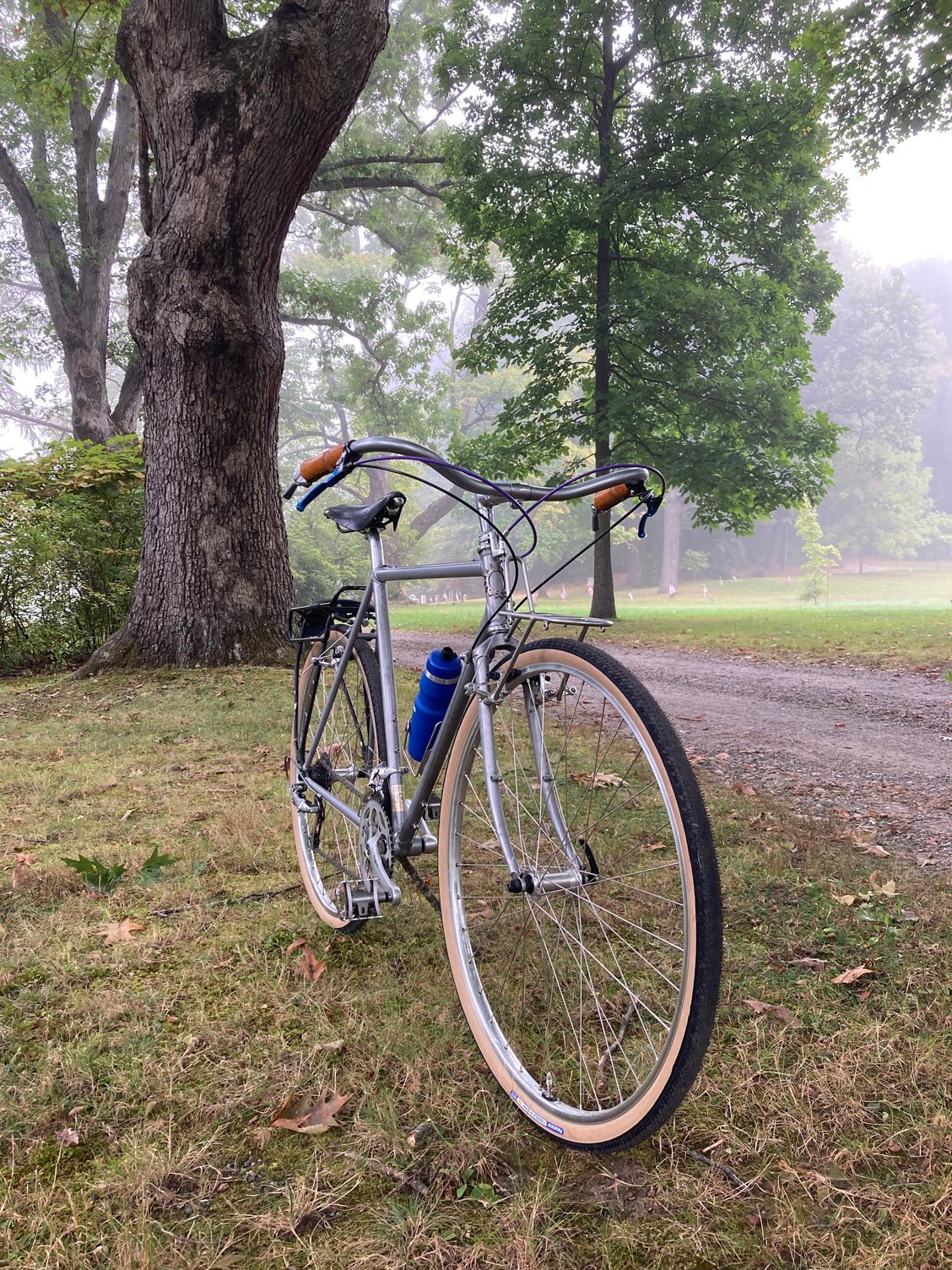
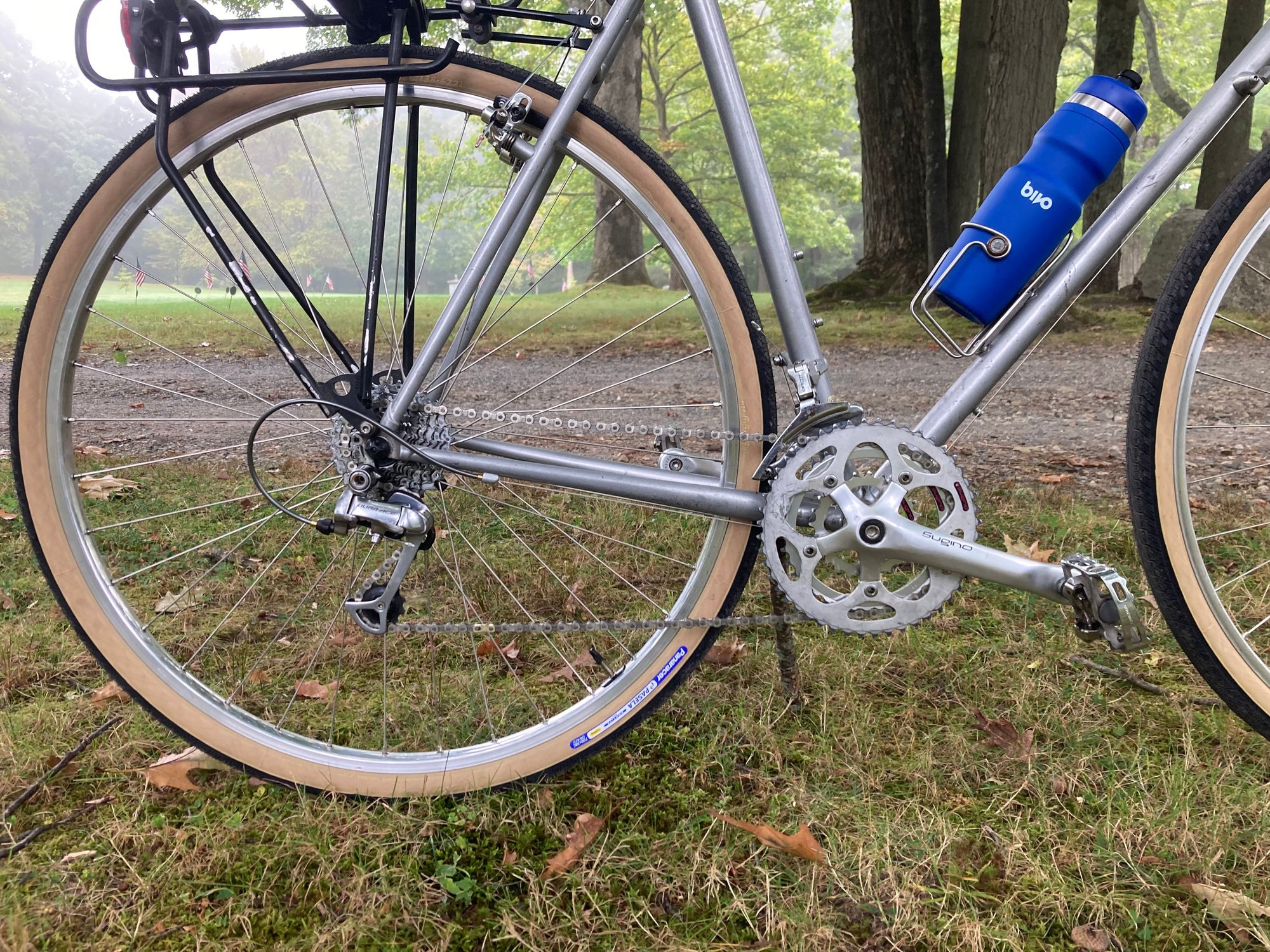
Photo shows what looks to me like a double eyelet.
10-15-24 | 05:51 AM
#21
Highly Enriched Driftium
Joined: Apr 2017
Posts: 6,708
Likes: 2,173
Dark/hard-anodized rims have a tendency to crack at the eyelet, whether it's single or double. Jobst Brandt detested hard-anodized rims. From this page:
"Dark anodized rims were introduced a few years ago as a fashionable alternative to shiny metal finish, possibly as a response to non metallic composites. Some of these rims were touted as HARD anodized, implying greater strength. Hard anodizing of aluminum, in contrast to cosmetic anodizing, produces a porous ceramic oxide that forms in the surface of the metal, as much as 1/1000 inch thick, about half below the original surface and half above. It is not thick enough to affect the strength of the rim, but because it is so rigid, it acts like a thin coat of paint on a rubber band. The paint will crack as the rubber stretches before any load is carried by the rubber. Similarly, anodizing cracks before the aluminum carries any significant load."
Photo shows what looks to me like a double eyelet.

"Dark anodized rims were introduced a few years ago as a fashionable alternative to shiny metal finish, possibly as a response to non metallic composites. Some of these rims were touted as HARD anodized, implying greater strength. Hard anodizing of aluminum, in contrast to cosmetic anodizing, produces a porous ceramic oxide that forms in the surface of the metal, as much as 1/1000 inch thick, about half below the original surface and half above. It is not thick enough to affect the strength of the rim, but because it is so rigid, it acts like a thin coat of paint on a rubber band. The paint will crack as the rubber stretches before any load is carried by the rubber. Similarly, anodizing cracks before the aluminum carries any significant load."
Photo shows what looks to me like a double eyelet.
Hard anodizing was a big advance for rims. There's a current thread on aluminum bits embedded in rim brake pads, that's what happens when you wear thru the hard anodizing into the softer aluminum. The micro porosity of the hard anodizing provides a superior brake surface (until the invention of "ceramic" coatings), however the aluminum oxide of the anodizing is by definition a ceramic, a metal oxide, and it's as hard as knife sharpening stones, at least Rc60. I think there may have been more issues with early anodizing, as I've never seen any flaking. I don't know what is the elastic modulus of aluminum oxide, versus aluminum.
That may be a double socketed rim, but I have my doubts, that may be just the head of the spoke nipple. Here's the thing: The deep socket cuts the stress by at least half, perhaps more as the rim of the socket has way more area than near the rivet, and is pulling on the outer wall, not the inner wall like the rivet and bottom of the socket. Each 10% reduction in fatigue stress, roughly doubles the fatigue life. 50% reduction (from tying into both inner and outer rim walls) equals 2^5 or 32X increase, which is a LOT. So in our example, I wonder about proper contact of the socket rim to the outer rim wall, because if properly fit, the load at the inner wall and rivet is drastically reduced.
I have massive amounts of old hard anodized aluminum cookware, from Commercial Aluminum Cookware Company, the forerunner of Calphalon, these are industrial strength, and they get heated over a wide temp range, and I've never seen the anodizing layer crack, nor on my old Mavic rims.
I'm on my third set of rims on my road race bike. The first two sets each lasted about 4 years and both failed via cracks at the spoke holes. The current set, double-socketed, is going on 25 years with no cracks.
Last edited by Duragrouch; 10-15-24 at 05:59 AM.
 10-15-24 | 06:36 AM
#23

weapons-grade bolognium
Joined: Dec 2008
Posts: 6,608
Likes: 3,307
From: Across the street from Chicago
Bikes: Battaglin Cromor, Ciocc Designer 84, Schwinn Superior 1981
Have a pair of ceramic Open Pros with over 20K miles on them. Rear hub is toast, rims look like new.
10-15-24 | 06:46 AM
#24
Senior Member
Joined: Aug 2010
Posts: 10,304
Likes: 9,834
From: Utah
Bikes: Paletti,Pinarello Monviso,Duell Vienna,Giordana XL Super,Lemond Maillot Juane.& custom,PDG Paramount,Fuji Opus III,Davidson Impulse,Pashley Guv'nor,Evans,Fishlips,Y-Foil,Softride, Tetra Pro, CAAD8 Optimo,
I'll echo the A23 suggestion or any of Velocity offerings. They offer various finishes to include polished silver.
https://www.velocityusa.com/product/...lications/road
I've got several sets of wheels with their rims in use right now.
They built the rims for my 650B conversion and those wheels were awesome right out of the box and stayed trouble free for the years I had that bike.

I went with the polished Fusion rims for the handbuilt wheels I put on the Krapf bike.

19mm outer width, 25mm depth, 460 grams. Perfect for a vintage bike with a tight clearance
https://www.velocityusa.com/product/...lications/road
I've got several sets of wheels with their rims in use right now.
They built the rims for my 650B conversion and those wheels were awesome right out of the box and stayed trouble free for the years I had that bike.
I went with the polished Fusion rims for the handbuilt wheels I put on the Krapf bike.
19mm outer width, 25mm depth, 460 grams. Perfect for a vintage bike with a tight clearance
__________________
Steel is real...and comfy.
Steel is real...and comfy.
10-15-24 | 07:07 AM
#25
Brandt's bias against anodizing was as puzzling to me as his bias against helmets as not having any benefit, when he was a mechanical engineer so should have understood that helments spread the impact energy over a much longer time interval, drastically reducing the impulse or peak loading. Just like auto seat belts do. But I digress...
Hard anodizing was a big advance for rims. There's a current thread on aluminum bits embedded in rim brake pads, that's what happens when you wear thru the hard anodizing into the softer aluminum. The micro porosity of the hard anodizing provides a superior brake surface (until the invention of "ceramic" coatings), however the aluminum oxide of the anodizing is by definition a ceramic, a metal oxide, and it's as hard as knife sharpening stones, at least Rc60. I think there may have been more issues with early anodizing, as I've never seen any flaking. I don't know what is the elastic modulus of aluminum oxide, versus aluminum.
That may be a double socketed rim, but I have my doubts, that may be just the head of the spoke nipple. Here's the thing: The deep socket cuts the stress by at least half, perhaps more as the rim of the socket has way more area than near the rivet, and is pulling on the outer wall, not the inner wall like the rivet and bottom of the socket. Each 10% reduction in fatigue stress, roughly doubles the fatigue life. 50% reduction (from tying into both inner and outer rim walls) equals 2^5 or 32X increase, which is a LOT. So in our example, I wonder about proper contact of the socket rim to the outer rim wall, because if properly fit, the load at the inner wall and rivet is drastically reduced.
I have massive amounts of old hard anodized aluminum cookware, from Commercial Aluminum Cookware Company, the forerunner of Calphalon, these are industrial strength, and they get heated over a wide temp range, and I've never seen the anodizing layer crack, nor on my old Mavic rims.
I'm on my third set of rims on my road race bike. The first two sets each lasted about 4 years and both failed via cracks at the spoke holes. The current set, double-socketed, is going on 25 years with no cracks.
Hard anodizing was a big advance for rims. There's a current thread on aluminum bits embedded in rim brake pads, that's what happens when you wear thru the hard anodizing into the softer aluminum. The micro porosity of the hard anodizing provides a superior brake surface (until the invention of "ceramic" coatings), however the aluminum oxide of the anodizing is by definition a ceramic, a metal oxide, and it's as hard as knife sharpening stones, at least Rc60. I think there may have been more issues with early anodizing, as I've never seen any flaking. I don't know what is the elastic modulus of aluminum oxide, versus aluminum.
That may be a double socketed rim, but I have my doubts, that may be just the head of the spoke nipple. Here's the thing: The deep socket cuts the stress by at least half, perhaps more as the rim of the socket has way more area than near the rivet, and is pulling on the outer wall, not the inner wall like the rivet and bottom of the socket. Each 10% reduction in fatigue stress, roughly doubles the fatigue life. 50% reduction (from tying into both inner and outer rim walls) equals 2^5 or 32X increase, which is a LOT. So in our example, I wonder about proper contact of the socket rim to the outer rim wall, because if properly fit, the load at the inner wall and rivet is drastically reduced.
I have massive amounts of old hard anodized aluminum cookware, from Commercial Aluminum Cookware Company, the forerunner of Calphalon, these are industrial strength, and they get heated over a wide temp range, and I've never seen the anodizing layer crack, nor on my old Mavic rims.
I'm on my third set of rims on my road race bike. The first two sets each lasted about 4 years and both failed via cracks at the spoke holes. The current set, double-socketed, is going on 25 years with no cracks.
Do an image search for "cracked rims spokes" or the like, and you'll see that the overwhelming majority of the photos are of dark-anodized rims.