


Lug selection tips for beginners
 01-30-26 | 09:53 PM
#26
Thread Starter
Vintage Trek Black Hole


Joined: Sep 2013
Posts: 1,378
Likes: 1,284
From: Portland, Cascadia
Bikes: 1976 Merz' Tourer, 1986 Strawberry, 1978 Trek 910, 1982 Trek 950, 1982 Trek 720, 1981 Trek 510
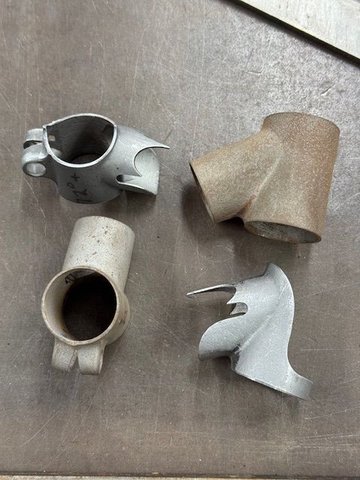
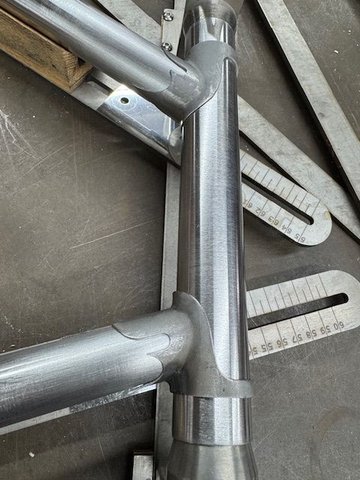
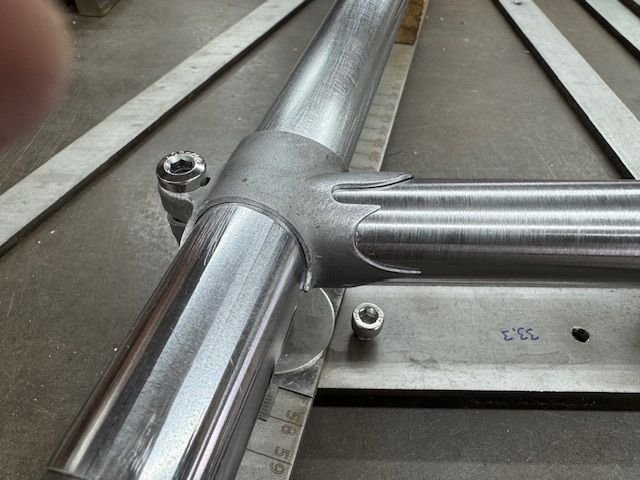
For bilaminate "lugs" (just a sleeve, really) is there an economical way to find stock? Cutting up lugs doesn't seem efficient; turning down thicker tube stock seems tedious. But maybe the latter is the way to go?
This has rabbit-trailed off, but it's my thread anyway and it's still an incredibly educational rabbit trail for me. So thanks for all who have contributed.
 01-30-26 | 10:27 PM
#27
framebuilder

Joined: Dec 2009
Posts: 1,781
Likes: 2,691
From: Niles, Michigan
Wicks Aircraft and Aircraft Spruce are 2 suppliers of tubing suitable to make bilaminate sleeves. Tubing with 0,058" walls is what is most available. Usually that thickness is reduced to at least .40" so it doesn't look thick. Using a lathe is the easiest method but hand filing is possible and doesn't take forever.
01-30-26 | 11:08 PM
#28

Senior Member

Joined: Apr 2009
Posts: 3,688
Likes: 5,461
From: Seattle
Yeah the height of the shoreline will be ~.062" if you use .058 for the "lug". The difference being the clearance between the two tubes, which will hopefully be filled with braze. 60 thou is OK for brazing practice, but looks terrible on a bike to ride and will probably result in shorter fatigue endurance. Large sudden changes in section thickness cause stress-risers, where fatigue cracks will start. So your lug should be thin compared to the tube wall. 40 thou would be OK but 30 would be better.
If you are lacking a lathe, you'll want to file the "lug" down either before or after brazing. I prefer before, because the brazing will go a little quicker, and there's no chance of accidentally thinning the tube that way. But there might be practical reasons to file it after. Or a combo, some before and some after.
If you just want to see how much penetration you got, on a testing sample, leaving it full-thick is OK. But then when you braze a real lug you may be surprised by how much faster the lug heats up.
If you are lacking a lathe, you'll want to file the "lug" down either before or after brazing. I prefer before, because the brazing will go a little quicker, and there's no chance of accidentally thinning the tube that way. But there might be practical reasons to file it after. Or a combo, some before and some after.
If you just want to see how much penetration you got, on a testing sample, leaving it full-thick is OK. But then when you braze a real lug you may be surprised by how much faster the lug heats up.
01-31-26 | 12:35 AM
#29
framebuilder
Joined: Dec 2009
Posts: 1,781
Likes: 2,691
From: Niles, Michigan
Somewhere in some far corner of a warehouse google won't help you find and the person that answers the phone doesn't remember they still have in stock, is tubing with an OD of 1 1/16", 1 3/16" and 1 5/16" with a wall thickness of 0.028" (actually I have some of that). This tubing can be used to form bilaminate fake lugs that won't require thinning.
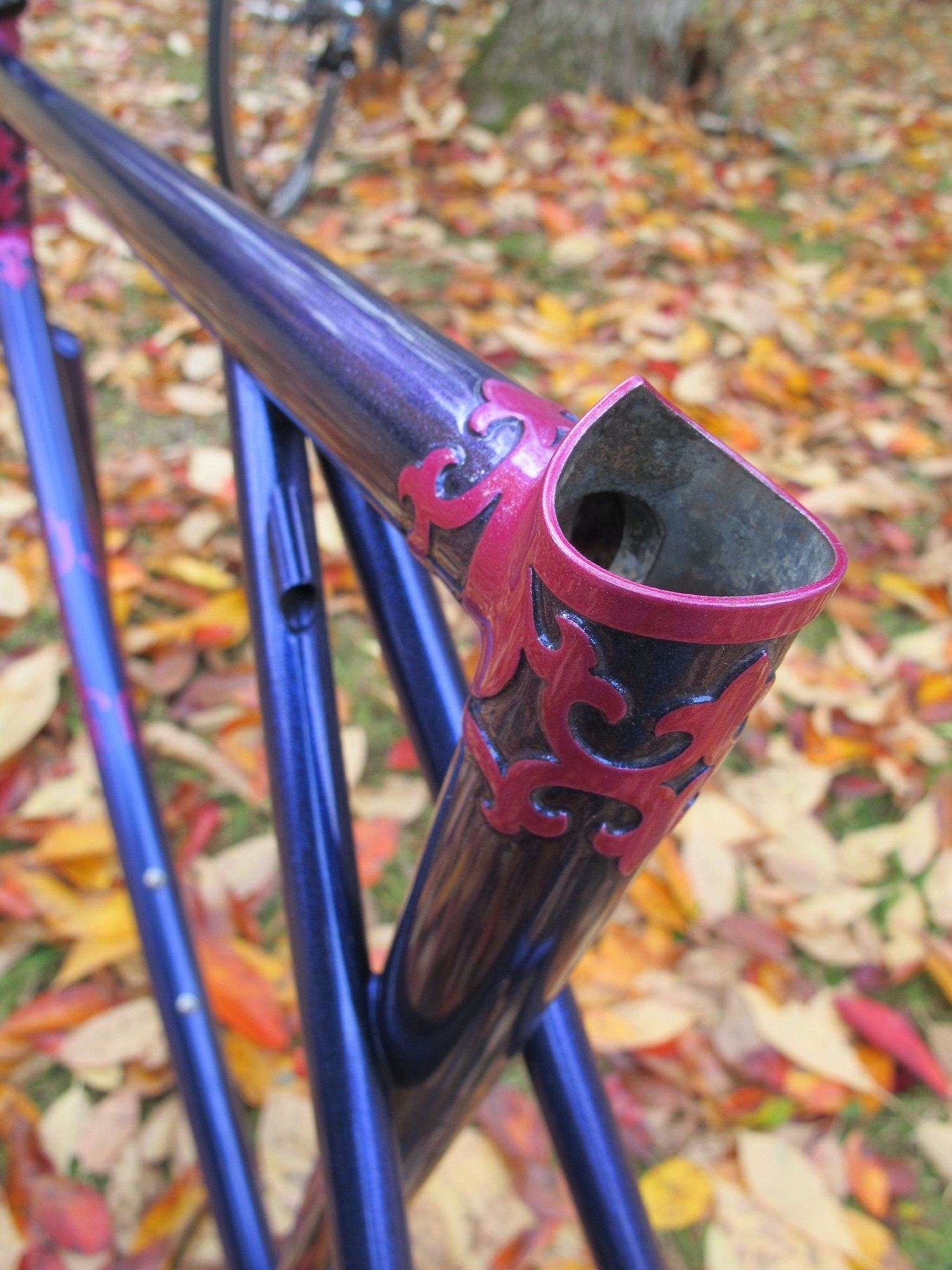
This bilaminate lug I made using tubing that had a wall thickness of 0.028".
This bilaminate lug I made using tubing that had a wall thickness of 0.028".
