


Carbon wheel and braking
 04-27-15 | 06:52 PM
#1
Thread Starter
Senior Member
Joined: Jul 2014
Posts: 224
Likes: 0
Carbon wheel and braking
Hello,
I haven't purchased my wheelset that I am already planning my next upgrade.
Anyway, I am wondering if carbon wheel = disk brake.
For me, a logical upgrade would be disk brake. Pads wear the rim and it seems to be a good idea to use disk brake so you basically don't have to replace worn rims... With carbon rim costing 6-7 times common rim it sounds logical to reduce as much as you can the wear on them. Plus with carbon wheels, the lesser braking power and the risk of over heating seem to completely disqualify pad braking.
So should I also upgrade my brakes if I go the carbon route?
I haven't purchased my wheelset that I am already planning my next upgrade.
Anyway, I am wondering if carbon wheel = disk brake.
For me, a logical upgrade would be disk brake. Pads wear the rim and it seems to be a good idea to use disk brake so you basically don't have to replace worn rims... With carbon rim costing 6-7 times common rim it sounds logical to reduce as much as you can the wear on them. Plus with carbon wheels, the lesser braking power and the risk of over heating seem to completely disqualify pad braking.
So should I also upgrade my brakes if I go the carbon route?
 04-27-15 | 07:20 PM
#5

Senior Member
Joined: Jun 2006
Posts: 1,586
Likes: 1
From: Atlanta, GA
Bikes: A couple
Hello,
I haven't purchased my wheelset that I am already planning my next upgrade.
Anyway, I am wondering if carbon wheel = disk brake.
For me, a logical upgrade would be disk brake. Pads wear the rim and it seems to be a good idea to use disk brake so you basically don't have to replace worn rims... With carbon rim costing 6-7 times common rim it sounds logical to reduce as much as you can the wear on them. Plus with carbon wheels, the lesser braking power and the risk of over heating seem to completely disqualify pad braking.
So should I also upgrade my brakes if I go the carbon route?
I haven't purchased my wheelset that I am already planning my next upgrade.
Anyway, I am wondering if carbon wheel = disk brake.
For me, a logical upgrade would be disk brake. Pads wear the rim and it seems to be a good idea to use disk brake so you basically don't have to replace worn rims... With carbon rim costing 6-7 times common rim it sounds logical to reduce as much as you can the wear on them. Plus with carbon wheels, the lesser braking power and the risk of over heating seem to completely disqualify pad braking.
So should I also upgrade my brakes if I go the carbon route?
Second, I find braking on carbon wheels to be just fine, as long as I am not riding in the mountains. At those time, things can get a bit sketchy if you ride your brakes too much in technical descents.
Third, I agree that disc brakes on road bikes are butt-ass ugly. That said, I can't help but feel that they are here to stay and soon it will become difficult to buy an off-the-shelf bike without them.
Last edited by fa63; 04-27-15 at 07:37 PM.
04-27-15 | 07:25 PM
#6
Thread Starter
Senior Member
Joined: Jul 2014
Posts: 224
Likes: 0
Thanks for clearing lot of things up! The articles I read were some what old and might not reflect the reality (notably the terrific allusion of tire exploding due to overheating).
I wonder how long a typical carbon rim will last? Any difference versus normal rim?
I wonder how long a typical carbon rim will last? Any difference versus normal rim?
04-27-15 | 07:39 PM
#7
Senior Member
Joined: Jun 2006
Posts: 1,586
Likes: 1
From: Atlanta, GA
Bikes: A couple
I have been on carbon clinchers for about two years, 7,000 miles. I also bought them used, but not sure how many miles the previous owner had on them. Anyways, there is no sign of wear on the brake track that I can discern with my eyes.

 04-28-15 | 08:37 AM
#11
Senior Member
Joined: Dec 2010
Posts: 6,682
Likes: 4
From: Above ground, Walnut Creek, Ca
Bikes: 8 ss bikes, 1 5-speed touring bike
i just priced a disc (front only) conversion for my road bike's carbon rimmed front wheel. new hub, spokes, fork, rotor, hydraulic XT lever and caliper is about 350 and the better part of a pound. just so there were be no surprises, i'm only considering this is after testing out a FS Ibis Ripley with XT brakes for a day on some tough, dusty singletrack and fire roads. the brakes were fine, zero noise, zero grab, and very smooth in actuation.
Last edited by hueyhoolihan; 04-28-15 at 02:39 PM.
04-28-15 | 09:10 AM
#12

Mr. Dopolina


Joined: May 2007
Posts: 10,276
Likes: 185
From: Taiwan
Bikes: KUUPAS, Simpson VR
Incorrect.
Is that drum worn out yet?
Braking on carbon rims is not an issue in the dry. Add water and alloy is the way to go but even then braking suffers.
Is that drum worn out yet?
Braking on carbon rims is not an issue in the dry. Add water and alloy is the way to go but even then braking suffers.
Last edited by Bob Dopolina; 04-28-15 at 09:21 AM.
04-28-15 | 09:36 AM
#13

pluralis majestatis

Joined: Feb 2004
Posts: 4,206
Likes: 5
From: you rope
Bikes: a DuhRosa
Hello,
I haven't purchased my wheelset that I am already planning my next upgrade.
Anyway, I am wondering if carbon wheel = disk brake.
For me, a logical upgrade would be disk brake. Pads wear the rim and it seems to be a good idea to use disk brake so you basically don't have to replace worn rims... With carbon rim costing 6-7 times common rim it sounds logical to reduce as much as you can the wear on them. Plus with carbon wheels, the lesser braking power and the risk of over heating seem to completely disqualify pad braking.
So should I also upgrade my brakes if I go the carbon route?
I haven't purchased my wheelset that I am already planning my next upgrade.
Anyway, I am wondering if carbon wheel = disk brake.
For me, a logical upgrade would be disk brake. Pads wear the rim and it seems to be a good idea to use disk brake so you basically don't have to replace worn rims... With carbon rim costing 6-7 times common rim it sounds logical to reduce as much as you can the wear on them. Plus with carbon wheels, the lesser braking power and the risk of over heating seem to completely disqualify pad braking.
So should I also upgrade my brakes if I go the carbon route?
some ( many??) carbon rims should have a high-friction low-wear material applied to the braking surface to enhance performance and longevity
04-28-15 | 09:45 AM
#14
Mr. Dopolina
Joined: May 2007
Posts: 10,276
Likes: 185
From: Taiwan
Bikes: KUUPAS, Simpson VR
There are two factories in China I know of (and 1 in Taiwan) that use a Basalt layer on the brake track. This isn't to improve wear; It's there to deal with heat.
The problem is that it eventually flakes off leaving carbon exposed that is not HTg. Bad plan.
The real solution is in brake pad compounds. Those can be tweaked to help with longevity but performance usually suffers. A good pad is a balance between these and othe factors like squealing!
What does help is to clean your brake pads once a week or so with a flat file to remove any imbedded materials. It takes less than 5 minutes and keeps braking performance optimal.
04-28-15 | 12:40 PM
#15
Senior Member
Joined: Dec 2008
Posts: 1,295
Likes: 119
From: Damascus, MD, USA
Bikes: Neilpryde Nazare, Storck Scenero G3, Colnago Extreme Power, CAAD 10, Bowman Palace R, Strong Custom Foco Steel, BMC SLR01, BMC ALR01
What does help is to clean your brake pads once a week or so with a flat file to remove any imbedded materials. It takes less than 5 minutes and keeps braking performance optimal.[/QUOTE]
Thanks for this tip B Dop.
Thanks for this tip B Dop.
 04-28-15 | 03:31 PM
#18

On Your Left
Joined: Nov 2011
Posts: 8,373
Likes: 2,440
From: Long Island, New York, USA
Bikes: Trek Emonda SLR, Sram eTap, Zipp 303
04-28-15 | 03:35 PM
#19

Senior Member
Joined: Oct 2004
Posts: 4,224
Likes: 6
04-28-15 | 03:43 PM
#20
On Your Left
Joined: Nov 2011
Posts: 8,373
Likes: 2,440
From: Long Island, New York, USA
Bikes: Trek Emonda SLR, Sram eTap, Zipp 303
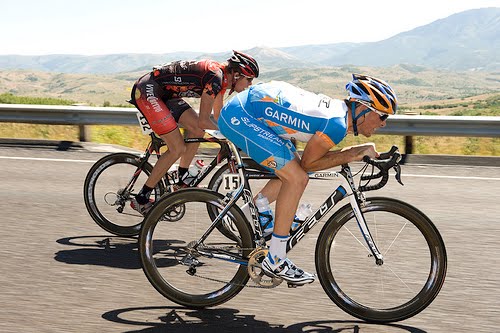
And while i'm not a pro rider, many pros do run carbon wheels on mountain stages where there are steep descents.

 04-28-15 | 03:49 PM
#21
Senior Member
Joined: Oct 2004
Posts: 4,224
Likes: 6
Bet you dollar to donuts those pros are running tubular carbon wheels and not clinchers.
04-28-15 | 04:33 PM
#24
Senior Member
Joined: Oct 2004
Posts: 4,224
Likes: 6