


Testosterone, Plastic, and Water Bottles
 06-06-25 | 05:12 AM
#51
Thread Starter
Senior Member

Joined: Nov 2013
Posts: 969
Likes: 519
From: Richfield, WI
Bikes: Trek Domane SL7 Disc, Cannondale F29
Correct... beer is never sold in plastic (that was a joke). Beer manufacturers know that plastic ruins the flavor of the beer. Dark glass is the preferred material as the glass doesn't leach into the beer like plastic or even aluminum and the dark color protects the liquid from degrading in sunlight. Granted, beer companies don't use dark glass bottles for health reasons, but they've known for a long time that plastic leaches into the liquid it contains.
 06-06-25 | 07:50 AM
#52
Senior Member

Joined: Jun 2019
Posts: 1,500
Likes: 753
Microplastics are impossible to eliminate but certainly not impossible to limit. Single serve coffee pods likely release far more particles than a water bottle.
NIST researchers analyzed single-use beverage cups, such as coffee cups, which can release trillions of nanoparticles, or tiny plastic particles, from the inner lining of the cup when the water is heated.
NIST researchers analyzed single-use beverage cups, such as coffee cups, which can release trillions of nanoparticles, or tiny plastic particles, from the inner lining of the cup when the water is heated.
 06-06-25 | 08:13 AM
#54

Facts just confuse people


Joined: Jul 2017
Posts: 19,374
Likes: 7,077
From: Mississippi
Bikes: Tarmac Disc Comp Di2 - 2020
If you read any of the articles about micro plastics that discuss how microplastics get in our bodies. You should note that they don't claim it coming directly from the plastic in bottles as we drink from them. Whether it's your bidon or a bottle of Dasani or Sam's Best.
Micro plastics get in our bodies through food and water and the very air we breathe. It's the prevalence of plastic pollution in our environment that likely begins it's entry to the food chain. Food whether vegetables or from animals already have it in them as it's already in the soil, fertilizers and water. Some of the particulate matter in the air is micro plastic pollution. And that is a entry point into your system as you breathe it. Your own tap water that you fill your bidon with likely already has micro plastics in it.
So it's not something you are going to reduce in your body just by choosing not to use your plastic bidon or drink from a plastic bottle.
This isn't new stuff either. Where were you people when they talked about this stuff 20 years ago?
Micro plastics get in our bodies through food and water and the very air we breathe. It's the prevalence of plastic pollution in our environment that likely begins it's entry to the food chain. Food whether vegetables or from animals already have it in them as it's already in the soil, fertilizers and water. Some of the particulate matter in the air is micro plastic pollution. And that is a entry point into your system as you breathe it. Your own tap water that you fill your bidon with likely already has micro plastics in it.
So it's not something you are going to reduce in your body just by choosing not to use your plastic bidon or drink from a plastic bottle.
This isn't new stuff either. Where were you people when they talked about this stuff 20 years ago?
Last edited by Iride01; 06-06-25 at 08:16 AM.
 06-06-25 | 09:02 AM
#55
Senior Member
Joined: Jun 2019
Posts: 1,500
Likes: 753
If you read any of the articles about micro plastics that discuss how microplastics get in our bodies. You should note that they don't claim it coming directly from the plastic in bottles as we drink from them. Whether it's your bidon or a bottle of Dasani or Sam's Best.
Micro plastics get in our bodies through food and water and the very air we breathe. It's the prevalence of plastic pollution in our environment that likely begins it's entry to the food chain. Food whether vegetables or from animals already have it in them as it's already in the soil, fertilizers and water. Some of the particulate matter in the air is micro plastic pollution. And that is a entry point into your system as you breathe it. Your own tap water that you fill your bidon with likely already has micro plastics in it.
So it's not something you are going to reduce in your body just by choosing not to use your plastic bidon or drink from a plastic bottle.
This isn't new stuff either. Where were you people when they talked about this stuff 20 years ago?
Micro plastics get in our bodies through food and water and the very air we breathe. It's the prevalence of plastic pollution in our environment that likely begins it's entry to the food chain. Food whether vegetables or from animals already have it in them as it's already in the soil, fertilizers and water. Some of the particulate matter in the air is micro plastic pollution. And that is a entry point into your system as you breathe it. Your own tap water that you fill your bidon with likely already has micro plastics in it.
So it's not something you are going to reduce in your body just by choosing not to use your plastic bidon or drink from a plastic bottle.
This isn't new stuff either. Where were you people when they talked about this stuff 20 years ago?
06-06-25 | 10:49 AM
#56
Facts just confuse people
Joined: Jul 2017
Posts: 19,374
Likes: 7,077
From: Mississippi
Bikes: Tarmac Disc Comp Di2 - 2020
What I'm not for is claiming or alluding that discontinuing use of their own plastic bidons is going to make a difference in their testosterone levels or any measurable amount of microplastics in their body.
06-06-25 | 11:10 AM
#57



The staggering amounts of plastic bottles of water that are bought in supermarkets around the country every day: insane. What started people buying dozens of bottles of water per month? Why are they still doing it?
Municipalities strive to keep their water supplies as free of pollutants as humanly possible, and most do a very good job.
I'm sure the bottled water companies are happy that the fad has lasted so long, though. Reminds me of what a friend of mine who was a regional manager for 7-Eleven once told me: "Selling bags of ice is as close as it gets to printing money."
06-06-25 | 11:24 AM
#58

Senior Member


Joined: Apr 2011
Posts: 12,752
Likes: 4,866
I've used 24-oz transparent Gatorade bottles (i.e., the ones with the "sport top") for many years. There's no plastic taste, and they fit securely in all my bottle cages. Cheaper than conventional bike bottles. In fact, they're free for the price of the Gatorade, or the Gatorade is free for the price of the bottle, depending on how you look at it.
Bleach gets the plastic flavor out of bike bottles and it doesn't really come back.
06-06-25 | 12:20 PM
#59
About parabens (the existence of which is new to me): "While generally considered safe, concerns exist about potential health and environmental effects, leading some to seek paraben-free products." All of us choose our own level of worry in every area of life. Parabens will not be something I'll be worrying much about. Especially since those Gatorade bottles are about the only plastic bottles I use.
And, by the way, I would guess that the safety standards maintained by a deep-pockets company such as Gatorade are likely higher than those of most bidon manufacturers. And after all, I've never had to add bleach to a Gatorade bottle to rid it of that plastic taste.
For general interest, here's an article titled Bottled Water: Myths vs. Facts.
06-06-25 | 12:40 PM
#60
Senior Member
Joined: Apr 2025
Posts: 718
Likes: 727
06-06-25 | 12:48 PM
#61
Back in the 1980's, New York magazine ran a taste-test article on still and sparkling waters. The winner for sparkling: Grand Union seltzer (Grand Union was or is an East Coast supermarket chain). The winner for still: New York City tap water.
06-06-25 | 03:02 PM
#62
Senior Member
Joined: Apr 2011
Posts: 12,752
Likes: 4,866
Just looked around: Gatorade says that they don't recommend reusing their bottles, specifically because they can't easily be sterilized (they can melt in dishwashers). Which might explain why the bottles with "sport" tops have effectively disappeared from the stores.
About parabens (the existence of which is new to me): "While generally considered safe, concerns exist about potential health and environmental effects, leading some to seek paraben-free products." All of us choose our own level of worry in every area of life. Parabens will not be something I'll be worrying much about. Especially since those Gatorade bottles are about the only plastic bottles I use.
And, by the way, I would guess that the safety standards maintained by a deep-pockets company such as Gatorade are likely higher than those of most bidon manufacturers. And after all, I've never had to add bleach to a Gatorade bottle to rid it of that plastic taste.
For general interest, here's an article titled Bottled Water: Myths vs. Facts.
About parabens (the existence of which is new to me): "While generally considered safe, concerns exist about potential health and environmental effects, leading some to seek paraben-free products." All of us choose our own level of worry in every area of life. Parabens will not be something I'll be worrying much about. Especially since those Gatorade bottles are about the only plastic bottles I use.
And, by the way, I would guess that the safety standards maintained by a deep-pockets company such as Gatorade are likely higher than those of most bidon manufacturers. And after all, I've never had to add bleach to a Gatorade bottle to rid it of that plastic taste.
For general interest, here's an article titled Bottled Water: Myths vs. Facts.
06-06-25 | 05:41 PM
#63
Full Member
Joined: Oct 2024
Posts: 487
Likes: 315
Let’s get this back on topic. This is a good read and gives several hypothesis on the mechanism by which micro plastics can affect testosterone production.
https://houmanmd.com/the-hidden-thre...ale-fertility/
https://houmanmd.com/the-hidden-thre...ale-fertility/
06-06-25 | 05:43 PM
#64
Full Member
Joined: Oct 2024
Posts: 487
Likes: 315
From the linked article.
Several mechanisms have been proposed to explain how microplastics might affect testosterone production:
The Impact on Testosterone Levels
Testosterone, the primary male sex hormone, plays a crucial role in maintaining male reproductive health, muscle mass, bone density, and overall well-being. Disruptions in testosterone levels can lead to a myriad of health issues, including infertility, reduced libido, and increased risk of chronic diseases.Several mechanisms have been proposed to explain how microplastics might affect testosterone production:
- Endocrine Disruption: Many plastics contain endocrine-disrupting chemicals (EDCs) such as bisphenol A (BPA) and phthalates. These chemicals can interfere with hormone production and signaling. Studies have shown that exposure to EDCs can lead to decreased testosterone levels and impaired spermatogenesis.
- Oxidative Stress: Microplastics can induce oxidative stress by generating reactive oxygen species (ROS). Oxidative stress has been linked to testicular damage and impaired Leydig cell function, which is crucial for testosterone synthesis.
- Inflammatory Responses: Chronic inflammation triggered by the presence of microplastics can damage testicular tissue and disrupt normal hormonal balance. Inflammatory cytokines can inhibit testosterone production and negatively impact overall testicular function.
Microplastics and Male Fertility
The impact of microplastics on male fertility extends beyond testosterone levels. Fertility is influenced by several factors including sperm count, motility, morphology, and the integrity of the sperm DNA. Emerging research has highlighted several ways in which microplastics can impair these critical parameters:- Sperm Quality: A study published in Reproductive Toxicology in 2024 demonstrated that exposure to microplastics led to a significant reduction in sperm count and motility in animal models. The researchers suggested that oxidative stress and inflammation induced by microplastics were key contributors to this decline.
- DNA Damage: Microplastics have been shown to cause DNA fragmentation in sperm cells. DNA integrity is vital for successful fertilization and healthy embryo development. Increased DNA damage in sperm is associated with reduced fertility and higher rates of miscarriage and congenital anomalies.
- Testicular Tissue Damage:Histological analyses from recent studies revealed that microplastics can cause structural damage to testicular tissue, including the seminiferous tubules where sperm production occurs. This damage can lead to decreased sperm production and poor sperm quality.
Conclusion
The infiltration of microplastics into the male reproductive system and their potential to disrupt testosterone levels and fertility is a concerning development in environmental health science. As research continues to uncover the full extent of these effects, it is imperative to take proactive measures to reduce exposure and mitigate the risks. By combining scientific innovation, regulatory action, and public awareness, we can address this hidden threat and safeguard male reproductive health for future generations.
06-06-25 | 07:00 PM
#65
Senior Member
Joined: Apr 2011
Posts: 12,752
Likes: 4,866
Of course, how much do your bike water bottles contribute? Soda cans have plastic liners. Most tomato cans still have BPA. Ground beef wrapped in shrink rap - the more soft and stretchy the plastic, the phthalates it has. What's really in car exhaust? What happens when you wear or sit on Scotch Guarded fabrics? What is fabric softener, and why do many grocery store workers have allergies to their smell? What happens when you make a house as airtight as possible and then build it out of resins, fiberglass, latex paint fumes, formaldehyde wood laminate? WTF is "new car smell"? Why are you microwaving stuff in plastic packaging? What is your Covid mask made of? How about those running shoes you're sweating into? Shampoo? Apple wax that doesn't wash off? Pesticides, pesticides, pesticides.
I'm not the apologist for plastic bike bottles. But this whole conversation is closing the barn doors after the cows are gone. We are drenched in nasty crap.It is amazing an animal can live 80+ years with the level of chemical exposure we are living with. And we're worried about HDPE water bottles? It is probably the least of our problems, being an extremely low leaching plastic.
And I think bleach works to neutralize the smell because it removes any plastic oils and binds to anything still ionic. A bit like what ozone generators do to smells in the air. And that seems to be enough to get the worst of it off the surface of the HDPE plastic. Give it a try.
I'm not the apologist for plastic bike bottles. But this whole conversation is closing the barn doors after the cows are gone. We are drenched in nasty crap.It is amazing an animal can live 80+ years with the level of chemical exposure we are living with. And we're worried about HDPE water bottles? It is probably the least of our problems, being an extremely low leaching plastic.
And I think bleach works to neutralize the smell because it removes any plastic oils and binds to anything still ionic. A bit like what ozone generators do to smells in the air. And that seems to be enough to get the worst of it off the surface of the HDPE plastic. Give it a try.
06-06-25 | 07:28 PM
#67
Full Member
Joined: Oct 2024
Posts: 487
Likes: 315
Seriously the plastic bottle horse is dead AF. Let’s talk about the rest of the thread topic and the effects of micro plastics on testosterone levels. Or is winning an argument on the internet the priority? Because you won’t win and it prevents anyone from learning anything.
06-06-25 | 08:58 PM
#68
Senior Member
Joined: Apr 2011
Posts: 12,752
Likes: 4,866
Seriously the plastic bottle horse is dead AF. Let’s talk about the rest of the thread topic and the effects of micro plastics on testosterone levels. Or is winning an argument on the internet the priority? Because you won’t win and it prevents anyone from learning anything.
It's not like there is chelation therapy for plastic.
06-07-25 | 05:22 AM
#69
Thread Starter
Senior Member
Joined: Nov 2013
Posts: 969
Likes: 519
From: Richfield, WI
Bikes: Trek Domane SL7 Disc, Cannondale F29
I used to buy bottled water thinking it was healthier than the city water coming through my faucet. The cheap, 1-gallon containers the water came in actually smelled of plastic and the water did to... and then there's all the plastic waste. Tricky thing is that the water coming out of one's tap isn't necessarily better or safer.  City water often smells like chlorine (I can smell it when I ask for water at a restaurant) and is probably laced with gazillions of other chemicals I'm not aware of. I have a well at my house, but even well water is often contaminated with chemicals these days, such as oil from the oil pipeline break that happened a few miles from my house. As a result, I have a reverse osmosis water filter system installed for drinking water...and guess what it's primarily made of? Plastic. Doh! It's no wonder people give-up trying to reduce plastics in their life.
Probably the "cleanest water" one can drink would be water that is distilled into glass containers, but then one has to make sure to add electrolytes to the water so the water itself doesn't deplete you of salts and other minerals.
City water often smells like chlorine (I can smell it when I ask for water at a restaurant) and is probably laced with gazillions of other chemicals I'm not aware of. I have a well at my house, but even well water is often contaminated with chemicals these days, such as oil from the oil pipeline break that happened a few miles from my house. As a result, I have a reverse osmosis water filter system installed for drinking water...and guess what it's primarily made of? Plastic. Doh! It's no wonder people give-up trying to reduce plastics in their life.Probably the "cleanest water" one can drink would be water that is distilled into glass containers, but then one has to make sure to add electrolytes to the water so the water itself doesn't deplete you of salts and other minerals.
06-07-25 | 07:38 AM
#70
Senior Member
Joined: Jun 2019
Posts: 1,500
Likes: 753
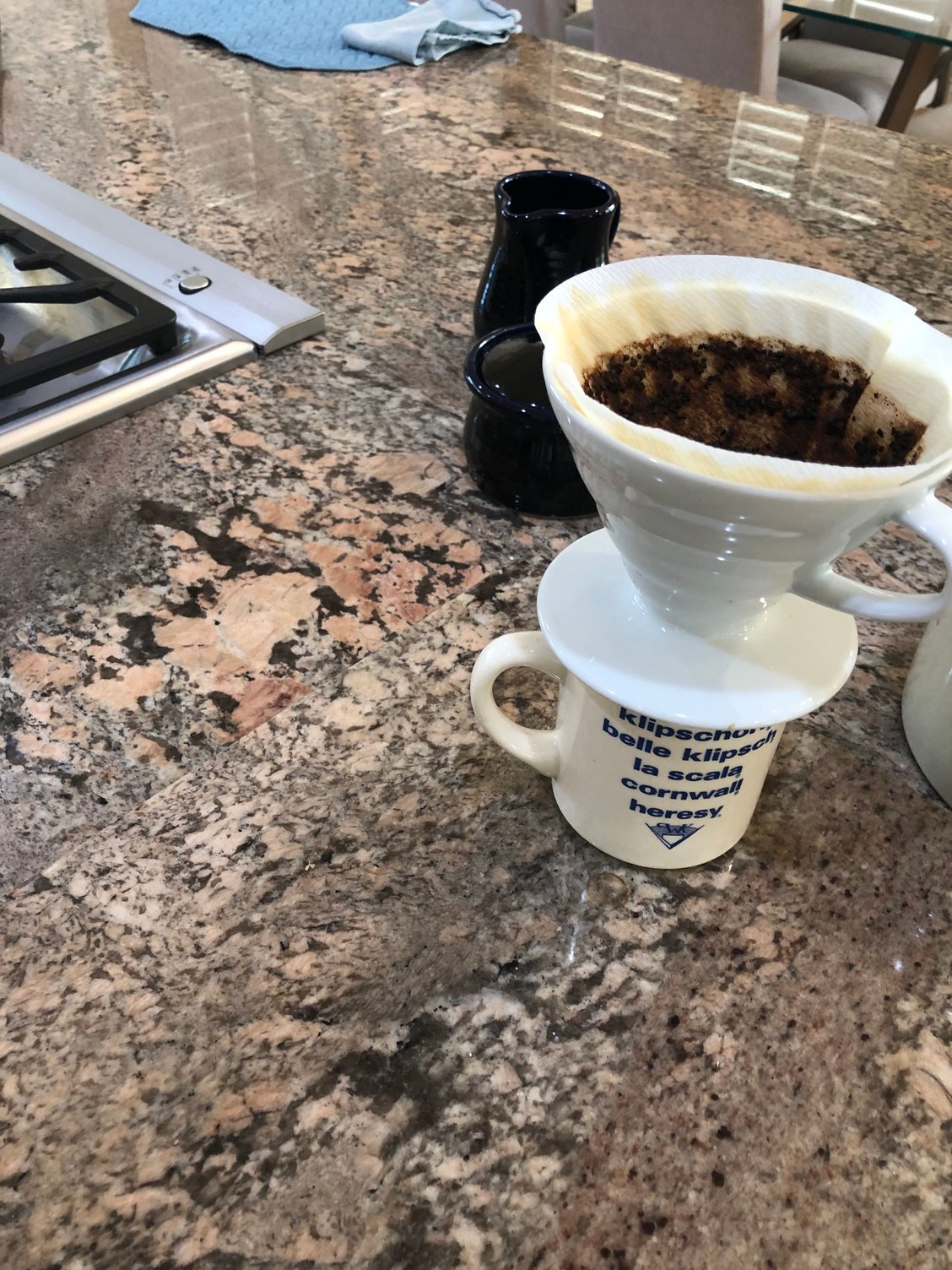
All my drinking water comes out of an artesian well. I keep 10, one gallon glass jugs full at home. I don't drink out of or eat from plastic. I make my morning coffee in a stainless and glass French press rather than from a single serving plastic filled pod in a plastic coffee maker. I don't know that it helps but I like the idea that I am aware and attempting to limit toxins.
06-07-25 | 07:59 AM
#71
Or, more likely, indifferent rinsing standards. Restaurants use industrial-strength cleaning products, but the low-wage workers tasked with doing the cleaning are probably not particularly diligent about hosing off the chemicals afterward. A friend of mine never drinks soda, except at our favorite Chinese buffet place, where she's found that the water (and tea) often tastes disgusting.
06-07-25 | 08:16 AM
#72
Full Member
Joined: Oct 2024
Posts: 487
Likes: 315
Yes you can control environmental factors and reduce levels of exposure.
stop using plastic as storage
stop eating things stored in plastic
stop eating and drinking processed foods and drinks
stop using plastic bottles for cycling
Filter your water….
No you can’t eliminate it completely but you can reduce your exposure and risk.
06-07-25 | 08:21 AM
#73
Full Member
Joined: Oct 2024
Posts: 487
Likes: 315
That you can smell the chlorine in water at a restaurant (but not, I take it, in water from other taps) indicates that the problem is indifferent cleaning standards at the restaurant. Not the city's fault, IOW.
Or, more likely, indifferent rinsing standards. Restaurants use industrial-strength cleaning products, but the low-wage workers tasked with doing the cleaning are probably not particularly diligent about hosing off the chemicals afterward. A friend of mine never drinks soda, except at our favorite Chinese buffet place, where she's found that the water (and tea) often tastes disgusting.
Or, more likely, indifferent rinsing standards. Restaurants use industrial-strength cleaning products, but the low-wage workers tasked with doing the cleaning are probably not particularly diligent about hosing off the chemicals afterward. A friend of mine never drinks soda, except at our favorite Chinese buffet place, where she's found that the water (and tea) often tastes disgusting.
Last edited by Hill160881; 06-07-25 at 08:27 AM.
06-07-25 | 08:32 AM
#74
Senior Member
Joined: Jun 2022
Posts: 746
Likes: 453
From: Auburn, CA
Bikes: Kestrels, Ibis, Bianchi, Co-Motion, Fuji
We installed a whole house filter that targets chlorine. Works great.
Its nice not relying on well water for a change. No more spots and solids are now where they should be.
Its nice not relying on well water for a change. No more spots and solids are now where they should be.
Last edited by mkane; 06-07-25 at 08:35 AM.
 06-07-25 | 09:54 AM
#75
Senior Member
Joined: Apr 2011
Posts: 12,752
Likes: 4,866
Did you even look at the link or the info I posted? No you are to concerned with winning. It discusses how micro plastics can alter test levels. The mechanism. It’s called interesting. The other link I posted was about the various chemicals and compounds that leach from plastic water bottles. Did you even look at that or just post?
Yes you can control environmental factors and reduce levels of exposure.
stop using plastic as storage
stop eating things stored in plastic
stop eating and drinking processed foods and drinks
stop using plastic bottles for cycling
Filter your water….
No you can’t eliminate it completely but you can reduce your exposure and risk.
Yes you can control environmental factors and reduce levels of exposure.
stop using plastic as storage
stop eating things stored in plastic
stop eating and drinking processed foods and drinks
stop using plastic bottles for cycling
Filter your water….
No you can’t eliminate it completely but you can reduce your exposure and risk.
Yes, I read what you posted. Good stuff. But you didn't seem to understand the point I was making:
We aren't controlling the environmental factors that lead to exposure. A few people might be, but the vast majority of those that will ever read this thread are largely failing at it because plastic and other similar chemicals are so pervasive that focusing on any handful of potential sources is unlikely to greatly decrease your intake from all sources.
And that point doesn't discredit yours, so you don't have to get all emotional that I posted it.