


Oversized locknuts?
 05-08-20 | 09:58 PM
#1

Thread Starter
Unreachable

Joined: Apr 2016
Posts: 1,742
Likes: 1,624
From: Jeddah, Saudi Arabia
Bikes: 1990 Raleigh Flyer; 2013 Trek 7.3 FX; 2014 Trek 7.6 FX; 2019 Dahon Mu D9.
Oversized locknuts?
Guys, is there or has there ever been such a thing as an "oversized" axle cone locknut?
Let's say that I've got some dish-shaped damage to my steel bike's rear dropouts caused by years of not enough clamping force by the QR skewer or not having tightened the axle nuts down enough. If my 10mm rear axle's locknuts that take a 17mm wrench could be replaced with larger ones - say, ones that could take a 19mm wrench or bigger - that would grip a greater area of the dropout's surface beyond the damaged section, wouldn't that work better, even as a temporary solution until I decide to have the damage welded up and filed back down to thickness?
This is the kind of damage I'm talking about:
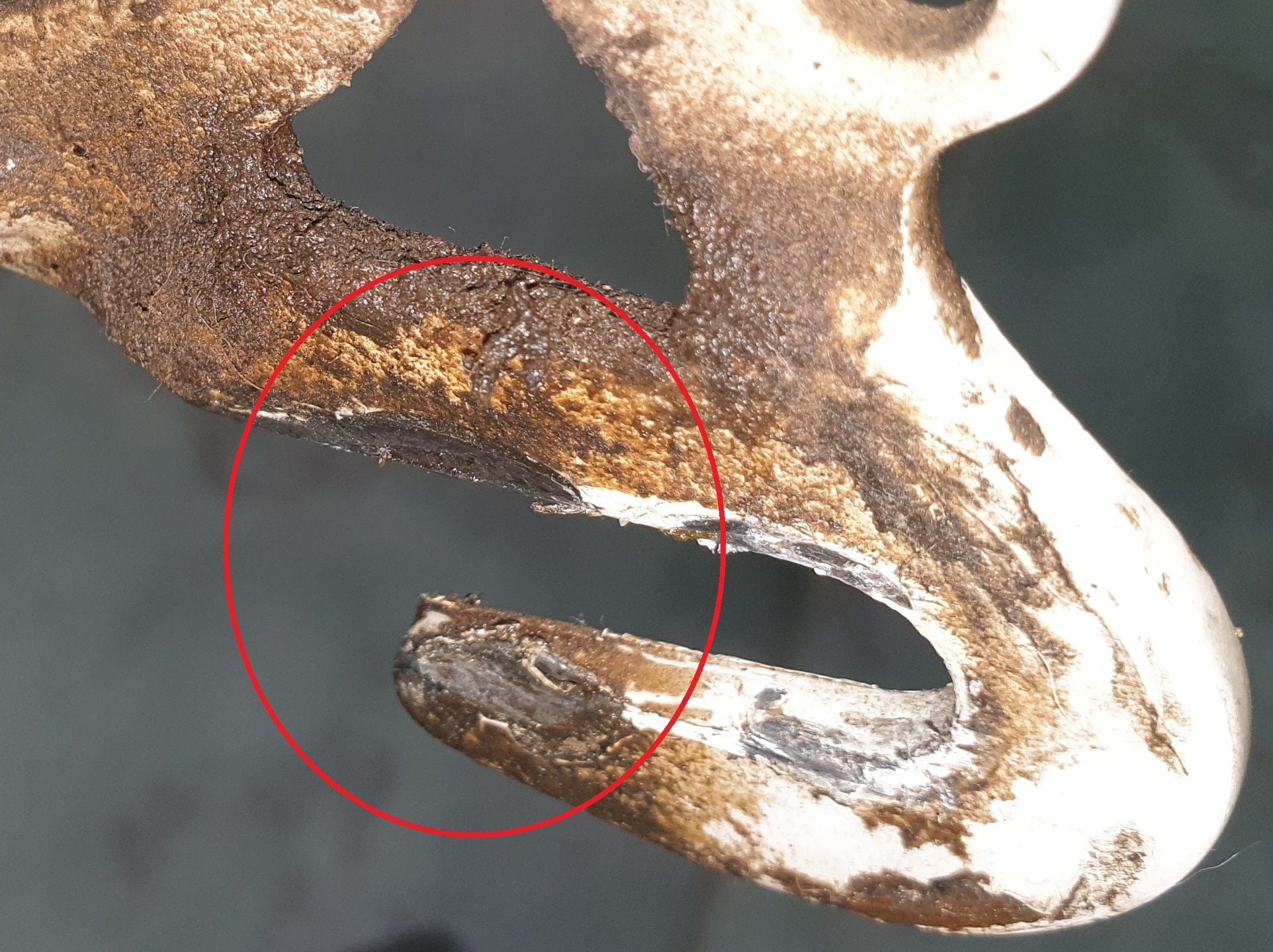
Let's say that I've got some dish-shaped damage to my steel bike's rear dropouts caused by years of not enough clamping force by the QR skewer or not having tightened the axle nuts down enough. If my 10mm rear axle's locknuts that take a 17mm wrench could be replaced with larger ones - say, ones that could take a 19mm wrench or bigger - that would grip a greater area of the dropout's surface beyond the damaged section, wouldn't that work better, even as a temporary solution until I decide to have the damage welded up and filed back down to thickness?
This is the kind of damage I'm talking about:
 05-09-20 | 12:06 AM
#3
Thread Starter
Unreachable
Joined: Apr 2016
Posts: 1,742
Likes: 1,624
From: Jeddah, Saudi Arabia
Bikes: 1990 Raleigh Flyer; 2013 Trek 7.3 FX; 2014 Trek 7.6 FX; 2019 Dahon Mu D9.
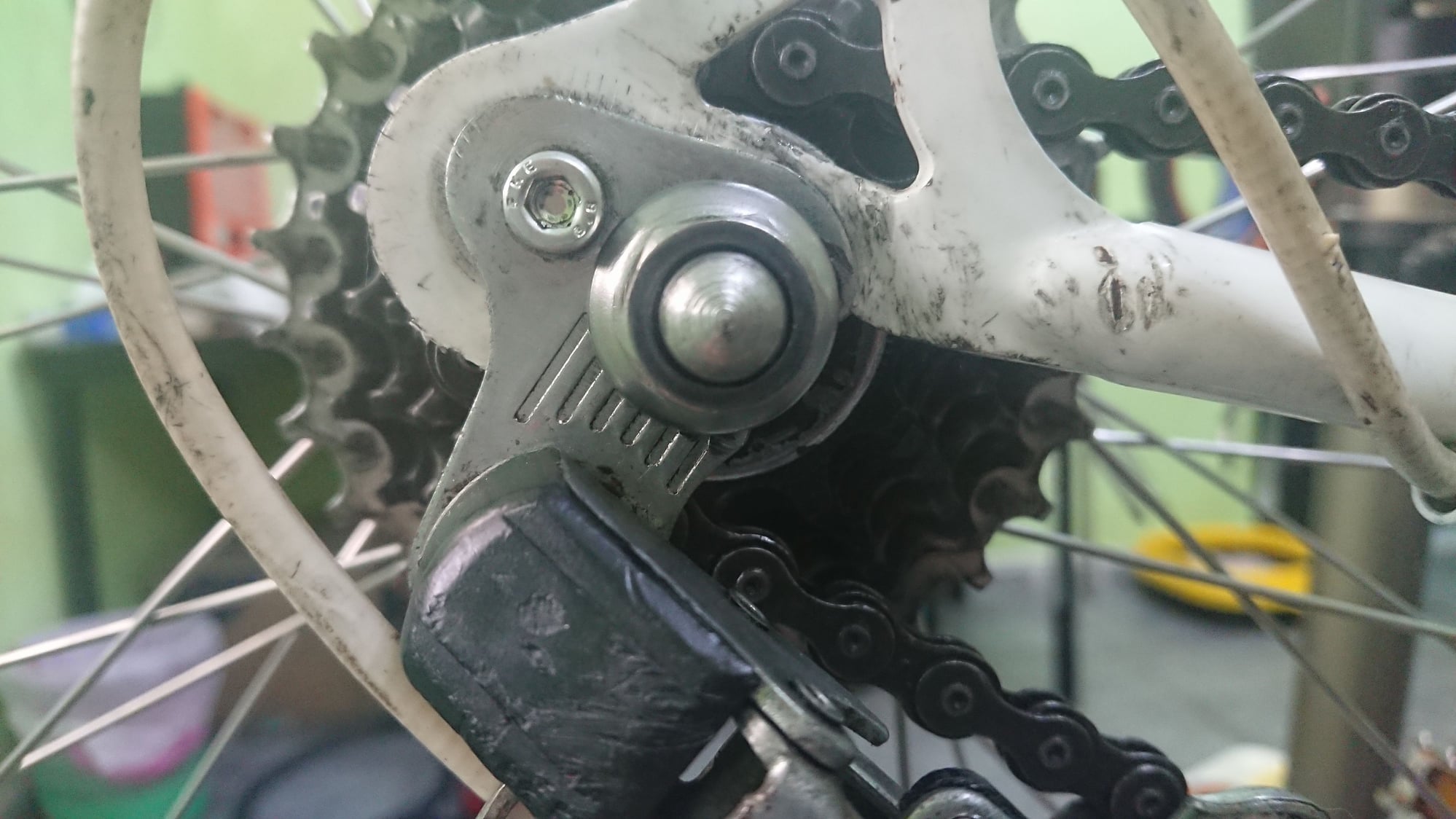
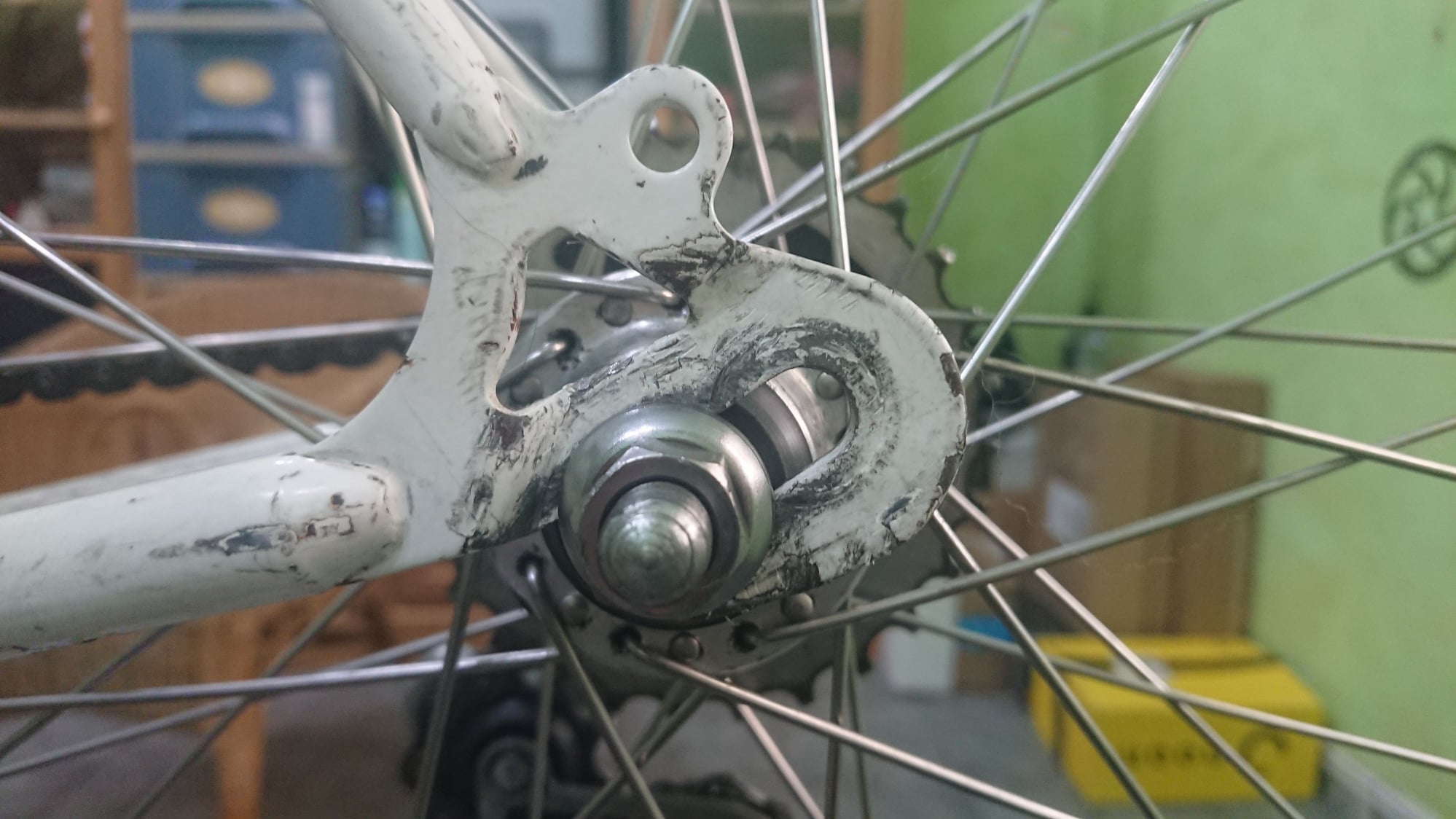
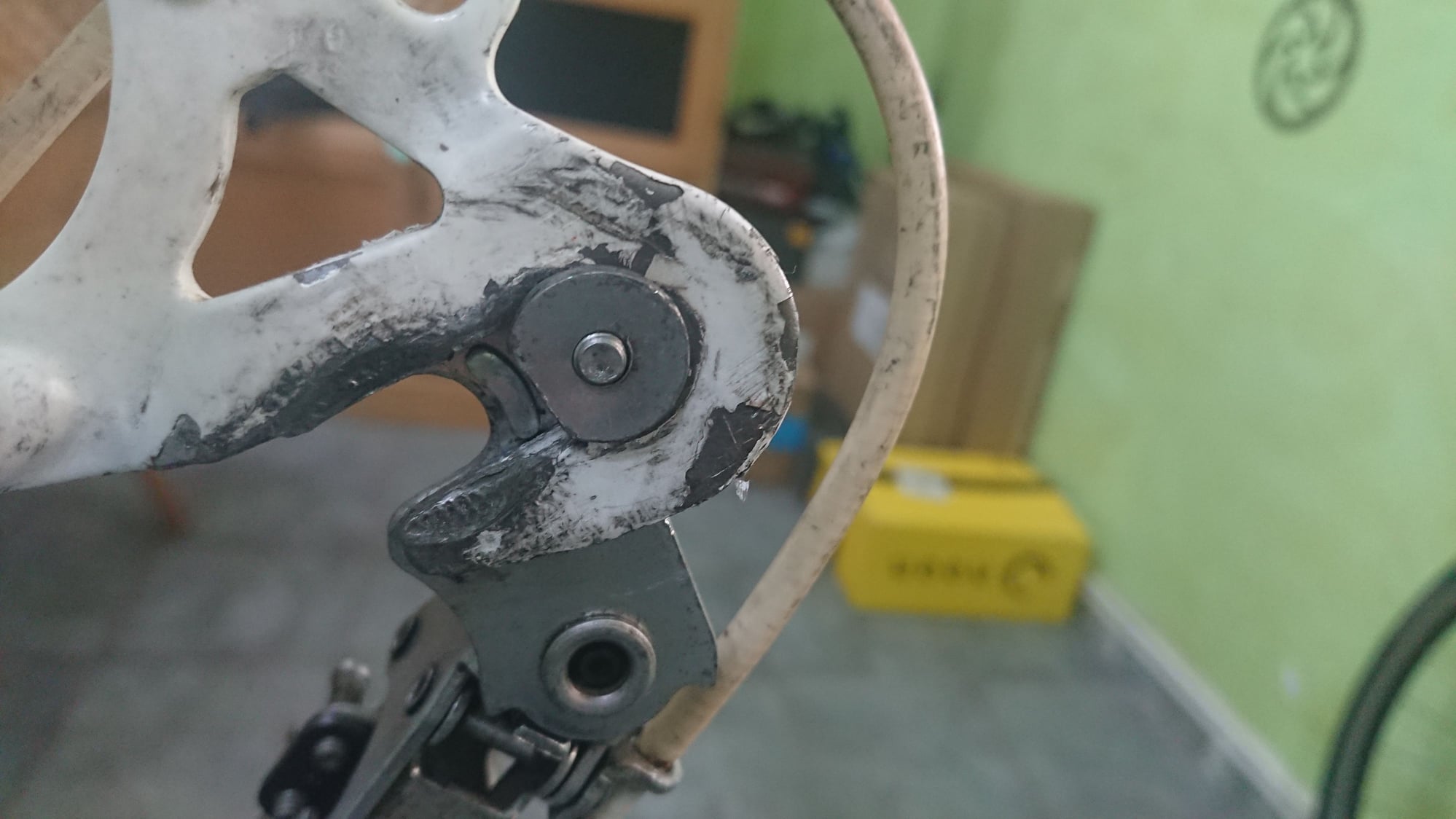
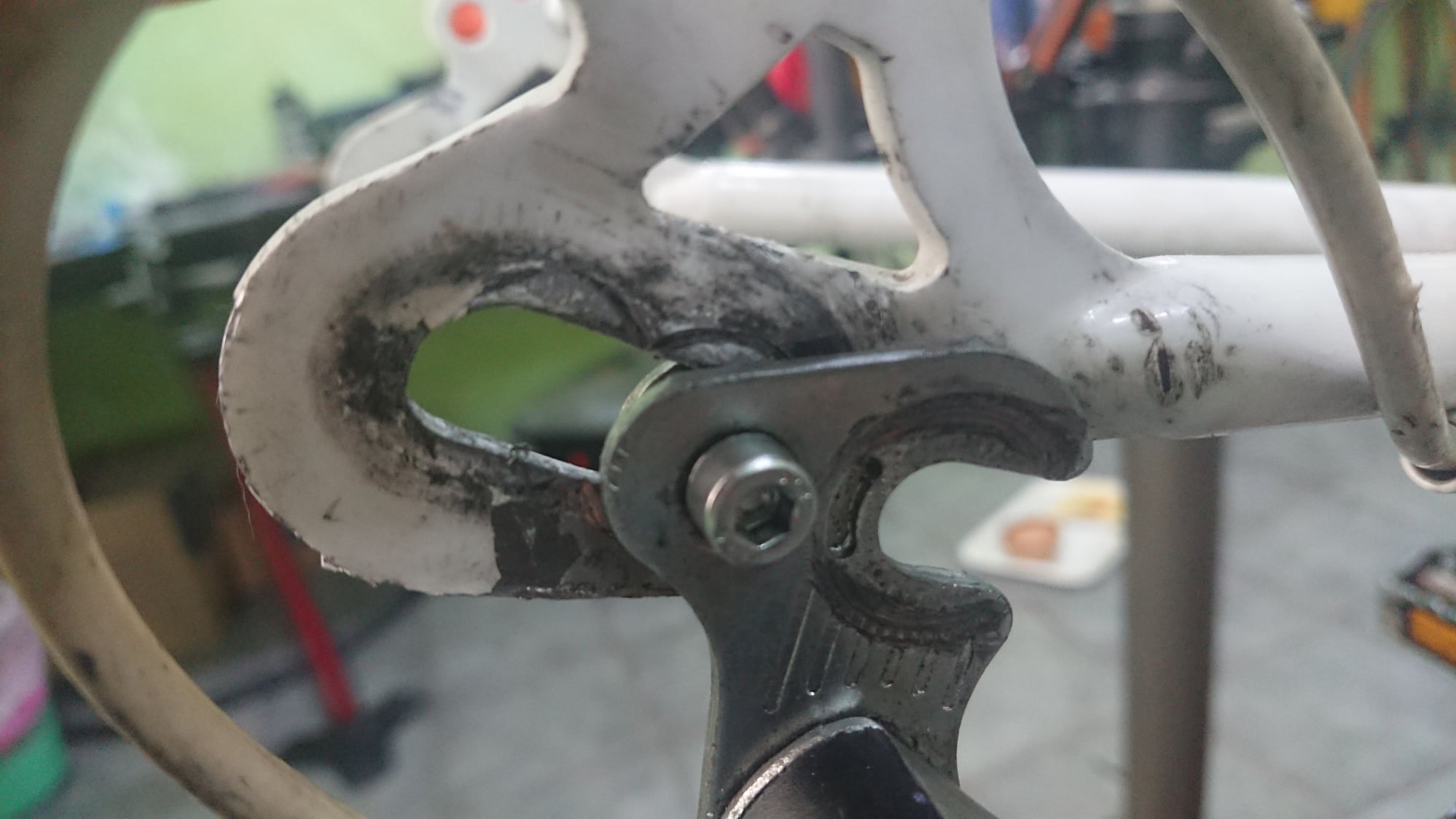
The only way I could take advantage of the undamaged parts of the dropouts is to go fg/ss, which I'm not inclined to do.
In theory, I could drill a 5mm hole into the dropout and tap it to bolt the derailleur's retaining screw into it to allow the axle to slide farther back into the slot, but there's a very good chance that this would weaken the dropout at its most critical point. So that's not really an option.
I could also take the bike to a machine shop and ask them to weld and file the damaged area back to thickness, but with all that's been going on in the world, there's a lot of logistics involved.
And then there's the question of whether or not I should invest this much time and effort into what's basically a cheap, entry-level frame that's not even my size, but it's a perfectly good bike that I'm inclined to keep in roadworthy condition, if for no other reason than its sentimental value.
05-09-20 | 06:35 AM
#4

SE Wis

Joined: Apr 2005
Posts: 11,544
Likes: 4,322
From: Milwaukee, WI
Bikes: '68 Raleigh Sprite, '02 Raleigh C500, '84 Raleigh Gran Prix, '91 Trek 400, 2013 Novara Randonee, 1990 Trek 970
05-09-20 | 06:40 AM
#5

Half way there

Joined: Sep 2015
Posts: 2,967
Likes: 895
From: North Carolina
Bikes: Many, and the list changes frequently
I'd say that if the wheel is stable in the dropouts after tightening the axle nuts, don't worry about that damage too much. As a simple option, you could file the slot backwards a bit (2-4 mm) on your derailleur hanger.
05-09-20 | 07:36 AM
#6
Thread Starter
Unreachable
Joined: Apr 2016
Posts: 1,742
Likes: 1,624
From: Jeddah, Saudi Arabia
Bikes: 1990 Raleigh Flyer; 2013 Trek 7.3 FX; 2014 Trek 7.6 FX; 2019 Dahon Mu D9.
I've done some of the work: the sharp-edged locknuts that came with the new Weldtite axle helped to stabilize the wheel, and I made sure to use quality axle nuts with integrated serrated washers.
In the mean time, I'm going to have to wait until Ramadan is over, the lockdown is fully or partially lifted and my Peugeot station wagon arrives, so I could have a chance to take the frame to a local machine shop and explain to them what I need done.


