


Patching Butyl Tubes - Problems
 02-16-24 | 11:13 AM
#1

Thread Starter
Should Be More Popular


Joined: Dec 2007
Posts: 46,169
Likes: 11,742
From: Malvern, PA (20 miles West of Philly)
Bikes: 1986 Alpine (steel road bike), 2009 Ti Habenero, 2013 Specialized Roubaix
Patching Butyl Tubes - Problems
Forgive the posting in C&V, but I am afraid the activity of patching a butyl tube is most likely considered anachronistic by most modern cyclists.
I have always enjoyed patching tubes. I don't get flats terribly often, maybe 4 per year. I typically save up punctured tubes and "batch patch" them in the winter. HOWEVER I have noticed a big change in the past few years, and I wanted to know if others noticed this too or if any ideas/suggestions.
Up until about 5 years ago, I had a "success" rate of patching of about 9/10, in other words nearly every patch worked fine. Sure, 10% would not adhere right or just not work, but 9/10 is fine and that was consistent year after year. Now it's the reverse. Nearly every patch fails. It seems the patches are not sticking well at the edge/margin of the patch. It's infuriating. I am using the SAME brand patches and vulcanizing fluid (Rema Tip Top) and the SAME technique. I am even using a stupid tool I bought to try to press the patch to the tube with more force (figuring with age maybe my finger strength got weaker).
My only guess is something has changed in the butyl they use for tubes or I got a really bad batch of Rema patches (I got a box of 100 of them).
I am close to giving up on patching and just tossing tubes like most people do.
Any comments/suggestions??
I have always enjoyed patching tubes. I don't get flats terribly often, maybe 4 per year. I typically save up punctured tubes and "batch patch" them in the winter. HOWEVER I have noticed a big change in the past few years, and I wanted to know if others noticed this too or if any ideas/suggestions.
Up until about 5 years ago, I had a "success" rate of patching of about 9/10, in other words nearly every patch worked fine. Sure, 10% would not adhere right or just not work, but 9/10 is fine and that was consistent year after year. Now it's the reverse. Nearly every patch fails. It seems the patches are not sticking well at the edge/margin of the patch. It's infuriating. I am using the SAME brand patches and vulcanizing fluid (Rema Tip Top) and the SAME technique. I am even using a stupid tool I bought to try to press the patch to the tube with more force (figuring with age maybe my finger strength got weaker).
My only guess is something has changed in the butyl they use for tubes or I got a really bad batch of Rema patches (I got a box of 100 of them).
I am close to giving up on patching and just tossing tubes like most people do.
Any comments/suggestions??
 02-16-24 | 12:10 PM
#2
I AM AI
Joined: Aug 2013
Posts: 4,286
Likes: 1,164
From: Tucson, AZ
Bikes: 2008 S-Works Roubaix SL, 1979 Raleigh Comp GS, 1978 Schwinn Volare
I have stopped patching and setting them aside for later because I too was seeing a high failure rate. If I patch a tube it is immediately placed inside a tire and inflated, based on the idea that the constant, even pressure from the tire "seals" the patch more effectively. I've seen much more success this way. FWIW.
So the routine:
New tube gets used on the road for quick puncture repair.
Punctured tube is patched and re-inserted into tire at some point before the next ride.
Spare, unpatched tube goes back into saddle bag for next time.
So the routine:
New tube gets used on the road for quick puncture repair.
Punctured tube is patched and re-inserted into tire at some point before the next ride.
Spare, unpatched tube goes back into saddle bag for next time.
__________________
A race bike in any era is a highly personal choice that at its "best" balances the requirements of fit, weight, handling, durability and cost tempered by the willingness to toss it and oneself down the pavement at considerable speed. ~Bandera
A race bike in any era is a highly personal choice that at its "best" balances the requirements of fit, weight, handling, durability and cost tempered by the willingness to toss it and oneself down the pavement at considerable speed. ~Bandera



 02-16-24 | 12:28 PM
#3

Senior Member
Joined: May 2010
Posts: 5,603
Likes: 2,468
From: Bastrop Texas
Bikes: Univega, Peu P6, Peu PR-10, Ted Williams, Peu UO-8, Peu UO-18 Mixte, Peu Dolomites
I think is has to do with "toluene". The newer vulcanizing cement often does not even smell the same as it used to. Ha... Ask any Huffer. Other solvents and adhesives that use aromatic solvents for their bond are suffering too. Note that Testors styrene model cement and even plumbing PVC Cement is nothing like it was 8 years ago.
Sure, allot of these solvents and aromatics are dangerous or even now deemed carcinogenics. So what do we do? We hoard those old unopened containers of vulcanizing cement in the frig in hopes they do not evaporate in their unopened tubes... Ha
Sure, allot of these solvents and aromatics are dangerous or even now deemed carcinogenics. So what do we do? We hoard those old unopened containers of vulcanizing cement in the frig in hopes they do not evaporate in their unopened tubes... Ha
__________________
 No matter where you're at... There you are... Δf:=f(1/2)-f(-1/2)
 02-16-24 | 12:34 PM
#4

I don't know.

Joined: May 2003
Posts: 2,370
Likes: 1,233
From: South Meriden, CT
Bikes: '90 B'stone RB-1, '92 B'stone RB-2, '89 SuperGo Access Comp, '03 Access 69er, '23 Trek 520, '14 Ritchey Road Logic, '09 Kestrel Evoke, '08 Windsor Tourist, '17 Surly Wednesday, '89 Centurion Accordo, '15 CruX, '17 Ridley X-Night, '89 Marinoni
I place the patched portion of the tube on a flat surface and lay a 25lb flat weight on it for a few days.
 02-16-24 | 12:45 PM
#5

Senior Member
Joined: Mar 2007
Posts: 9,175
Likes: 5,355
From: SF Bay Area, East bay
Bikes: Miyata 618 GT, Marinoni, Kestral 200, Soma double cross 2002 Trek 5200, KHS Flite, Koga Miyata, Schwinn Spitfire 5, Mondia Special, Univega Alpina, Miyata team Ti, Santa Cruz Highball, Waterford rs11
Noticed that also. I've gone to using a little more glue and letting it dry longer.
02-16-24 | 12:48 PM
#6

Senior Member

Joined: Nov 2015
Posts: 4,900
Likes: 1,125
When patching an innertube be sure you hit the area around the hole with the sandpaper that's usually provided in patch kits. This abrad3s the surface of the inner tube so there's tooth to the surface that the glue and patch can adhere to. Make sure the a raded are is slightly bigger than the patch so the edges of the patch can adhere to the innertube.
Before applying the patch glue on the inner tube, make sure you clean the innertube's surfacce very well so there's no dust, moisture or sand on it.
This is the step that most people fail to do, which results to the patch not totally adhering to the innertube.
I never had a patch fail on me all the years I've been cying, using the procedure above.
Before applying the patch glue on the inner tube, make sure you clean the innertube's surfacce very well so there's no dust, moisture or sand on it.
This is the step that most people fail to do, which results to the patch not totally adhering to the innertube.
I never had a patch fail on me all the years I've been cying, using the procedure above.
__________________
72 Line Seeker
83 Davidson Signature
84 Peugeot PSV
84 Peugeot PY10FC
84 Gitane Tour de France.
85 Vitus Plus Carbone 7
86 ALAN Record Carbonio
86 Medici Aerodynamic (Project)
88 Pinarello Montello
89 Bottecchia Professional Chorus SL
95 Trek 5500 OCLV (Project)
72 Line Seeker
83 Davidson Signature
84 Peugeot PSV
84 Peugeot PY10FC
84 Gitane Tour de France.
85 Vitus Plus Carbone 7
86 ALAN Record Carbonio
86 Medici Aerodynamic (Project)
88 Pinarello Montello
89 Bottecchia Professional Chorus SL
95 Trek 5500 OCLV (Project)
02-16-24 | 01:48 PM
#7
Senior Member
Joined: Mar 2016
Posts: 3,678
Likes: 2,053
From: Sussex County, Delaware
I have found a bit more glue, a little more time to dry, and I think humidity affects that. In warm, humid air, I will put a bit of weight on the patch while it dries, Not fact, but to me, it seems to help. Glue used for patching is a challenge in keeping it usable. The tubes dry out too quickly, once opened. It takes a whole lot of patching to use up one of the larger cans before it starts to thicken to where it cannot be used. Maybe someone has an idea on how to prevent that.
02-16-24 | 02:55 PM
#8

Senior Member
Joined: Jan 2015
Posts: 5,792
Likes: 3,363
From: Los Angeles
Bikes: 82 Medici, 85 Ironman, 2011 Richard Sachs
I thought I was being stingy with the glue. Lately I've been tryng to remember to put more glue and on a larger area. AND sometimes, I leave the slick clear cover on so as not to disturb the edges
Last edited by Classtime; 02-16-24 at 10:00 PM.
02-16-24 | 02:57 PM
#9

Senior Member
Joined: May 2008
Posts: 10,106
Likes: 2,757
From: Fredericksburg, Va
Bikes: ? Proteous, '65 Frejus TDF, '73 Bottecchia Giro d'Italia, '83 Colnago Superissimo, '84 Trek 610, '84 Trek 760, '88 Pinarello Veneto, '88 De Rosa Pro, '89 Pinarello Montello, 'Litespeed Catalyst'94 Burley Duet, 97 Specialized RockHopper, 2010 Langster
Don't forget there is mold release agent on the tube that must be removed prior to applying adhesives.
__________________
Bikes don't stand alone. They are two tired.
Bikes don't stand alone. They are two tired.
02-16-24 | 03:20 PM
#10

Senior Member
Joined: Aug 2011
Posts: 22,676
Likes: 2,642
From: CID
Bikes: 1991 Bianchi Eros, 1964 Armstrong, 1988 Diamondback Ascent, 1988 Bianchi Premio, 1987 Bianchi Sport SX, 1980s Raleigh mixte (hers), All-City Space Horse (hers)
My success rate is still pretty high, but could it be from patching the same old tubes that it always worked on? 
 02-16-24 | 03:46 PM
#11

Ride, Wrench, Swap, Race
Joined: Jan 2010
Posts: 9,813
Likes: 1,790
From: Northern California
Bikes: Cheltenham-Pedersen racer, Boulder F/S Paris-Roubaix, Varsity racer, '52 Christophe, '62 Continental, '92 Merckx, '75 Limongi, '76 Presto, '72 Gitane SC, '71 Schwinn SS, etc.
Lots of good tips so far!
Glue must be completely dry or will not give good adhesion.
I abrade pretty deeply, until a consistent flat-black appears. A lot of work.
I apply the glue with plastic bag wrap stretched over my fingertip.
And my one particular discovery came when I was studying the "failure mode" some 1990's, rather stretchy and "foam-like" glueless patches, but what I learned applies to glued patches to some degree as well:
The tube should not be in tension from inflation pressure any more than perhaps to round it out, when the (normally stretch-resistant) patch is applied!
Otherwise, as the tube is inflated and conforms to the inside of the tire, there will be continuous residual tension in the rubber surrounding the hole. This is because patches (with the exception of those first glueless patches) are stretch- and compression-resistant, meaning that a stretched tube adhered to a patch will remain stretched in tension. A proper patch prevents the local repaired area of the tube from stretching during inflation!
Having residual tension in the wall of the tube adjacent to the puncture will allow the tube to slowly start peeling away from the patch, starting at the hole where air can enter, then migrating to the outside edge of the patch (creating a complete pathway out of the tube).
Oh and one more thing, that I noticed about 22 years ago, was that at that time many tubes started showing a different material property during sanding. Instead of falling free from the tube, the sanded-off rubber seemed to stick around in little rolled-up lengths of rubber material that seemed "gummy". Adhasion on those particular tubes was extremely poor, and I began tossing those upon first puncture. This reformulated butyl may still resurface from time to time in certain batches. At the time, I thought it might be a plot to force purchasing more tubes instead of replacing, or in today's context maybe forcing us all to use more-expensive tubeless tires. Conspiracies abound.
Certainly also, the glue has become ever less toxic/polluting over the years, and so like most of today's contact cements, not so aggressive at etching into the base surface.
For this dilemma, I use a little more glue thickness upon application, so that the solvents have longer to work before becoming too dry to spread around.
This last technique especially applies to using older, thickened glue (given added work time, the solvents will still do their job effectively!).
That's all I got.
Glue must be completely dry or will not give good adhesion.
I abrade pretty deeply, until a consistent flat-black appears. A lot of work.
I apply the glue with plastic bag wrap stretched over my fingertip.
And my one particular discovery came when I was studying the "failure mode" some 1990's, rather stretchy and "foam-like" glueless patches, but what I learned applies to glued patches to some degree as well:
The tube should not be in tension from inflation pressure any more than perhaps to round it out, when the (normally stretch-resistant) patch is applied!
Otherwise, as the tube is inflated and conforms to the inside of the tire, there will be continuous residual tension in the rubber surrounding the hole. This is because patches (with the exception of those first glueless patches) are stretch- and compression-resistant, meaning that a stretched tube adhered to a patch will remain stretched in tension. A proper patch prevents the local repaired area of the tube from stretching during inflation!
Having residual tension in the wall of the tube adjacent to the puncture will allow the tube to slowly start peeling away from the patch, starting at the hole where air can enter, then migrating to the outside edge of the patch (creating a complete pathway out of the tube).
Oh and one more thing, that I noticed about 22 years ago, was that at that time many tubes started showing a different material property during sanding. Instead of falling free from the tube, the sanded-off rubber seemed to stick around in little rolled-up lengths of rubber material that seemed "gummy". Adhasion on those particular tubes was extremely poor, and I began tossing those upon first puncture. This reformulated butyl may still resurface from time to time in certain batches. At the time, I thought it might be a plot to force purchasing more tubes instead of replacing, or in today's context maybe forcing us all to use more-expensive tubeless tires. Conspiracies abound.
Certainly also, the glue has become ever less toxic/polluting over the years, and so like most of today's contact cements, not so aggressive at etching into the base surface.
For this dilemma, I use a little more glue thickness upon application, so that the solvents have longer to work before becoming too dry to spread around.
This last technique especially applies to using older, thickened glue (given added work time, the solvents will still do their job effectively!).
That's all I got.
Last edited by dddd; 02-16-24 at 03:57 PM.

 02-16-24 | 04:51 PM
#14

Mad bike riding scientist
Joined: Nov 2004
Posts: 29,148
Likes: 6,205
From: Denver, CO
Bikes: Some silver ones, a red one, a black and orange one, and a few titanium ones
Forgive the posting in C&V, but I am afraid the activity of patching a butyl tube is most likely considered anachronistic by most modern cyclists.
I have always enjoyed patching tubes. I don't get flats terribly often, maybe 4 per year. I typically save up punctured tubes and "batch patch" them in the winter. HOWEVER I have noticed a big change in the past few years, and I wanted to know if others noticed this too or if any ideas/suggestions.
Up until about 5 years ago, I had a "success" rate of patching of about 9/10, in other words nearly every patch worked fine. Sure, 10% would not adhere right or just not work, but 9/10 is fine and that was consistent year after year. Now it's the reverse. Nearly every patch fails. It seems the patches are not sticking well at the edge/margin of the patch. It's infuriating. I am using the SAME brand patches and vulcanizing fluid (Rema Tip Top) and the SAME technique. I am even using a stupid tool I bought to try to press the patch to the tube with more force (figuring with age maybe my finger strength got weaker).
My only guess is something has changed in the butyl they use for tubes or I got a really bad batch of Rema patches (I got a box of 100 of them).
I am close to giving up on patching and just tossing tubes like most people do.
Any comments/suggestions??
I have always enjoyed patching tubes. I don't get flats terribly often, maybe 4 per year. I typically save up punctured tubes and "batch patch" them in the winter. HOWEVER I have noticed a big change in the past few years, and I wanted to know if others noticed this too or if any ideas/suggestions.
Up until about 5 years ago, I had a "success" rate of patching of about 9/10, in other words nearly every patch worked fine. Sure, 10% would not adhere right or just not work, but 9/10 is fine and that was consistent year after year. Now it's the reverse. Nearly every patch fails. It seems the patches are not sticking well at the edge/margin of the patch. It's infuriating. I am using the SAME brand patches and vulcanizing fluid (Rema Tip Top) and the SAME technique. I am even using a stupid tool I bought to try to press the patch to the tube with more force (figuring with age maybe my finger strength got weaker).
My only guess is something has changed in the butyl they use for tubes or I got a really bad batch of Rema patches (I got a box of 100 of them).
I am close to giving up on patching and just tossing tubes like most people do.
Any comments/suggestions??
Make sure you remove the mold release compound completely before apply the vulcanizing fluid.
Use more fluid than you think you need. Don’t starve the adhesion layer. There’s a chemical reaction going on and it needs enough chemicals to make the adhesion work.
Perhaps most importantly, don’t “test” the patch by filling up the tube and stretching the patch just after application. Let the chemistry work for a good long time. Trust your patch job.
__________________
Stuart Black
Dreamin' of Bemidji Down the Mississippi (in part)
Plan Epsilon Around Lake Michigan in the era of Covid
Gold Fever Three days of dirt in Colorado
Pokin' around the Poconos A cold ride around Lake Erie
Dinosaurs in Colorado A mountain bike guide to the Purgatory Canyon dinosaur trackway
Solo Without Pie. The search for pie in the Midwest.
Picking the Scablands. Washington and Oregon, 2005. Pie and spiders on the Columbia River!
Stuart Black
Dreamin' of Bemidji Down the Mississippi (in part)
Plan Epsilon Around Lake Michigan in the era of Covid
Gold Fever Three days of dirt in Colorado
Pokin' around the Poconos A cold ride around Lake Erie
Dinosaurs in Colorado A mountain bike guide to the Purgatory Canyon dinosaur trackway
Solo Without Pie. The search for pie in the Midwest.
Picking the Scablands. Washington and Oregon, 2005. Pie and spiders on the Columbia River!
 02-16-24 | 04:53 PM
#15
I AM AI
Joined: Aug 2013
Posts: 4,286
Likes: 1,164
From: Tucson, AZ
Bikes: 2008 S-Works Roubaix SL, 1979 Raleigh Comp GS, 1978 Schwinn Volare
I used to remove the thin, clear plastic bit. Now I leave it on. For reasons unknown.
__________________
A race bike in any era is a highly personal choice that at its "best" balances the requirements of fit, weight, handling, durability and cost tempered by the willingness to toss it and oneself down the pavement at considerable speed. ~Bandera
A race bike in any era is a highly personal choice that at its "best" balances the requirements of fit, weight, handling, durability and cost tempered by the willingness to toss it and oneself down the pavement at considerable speed. ~Bandera
02-16-24 | 05:33 PM
#16
Senior Member
Joined: Dec 2014
Posts: 5,352
Likes: 5,166
From: Central Virginia
Bikes: Numerous
I have a big jar of Slime rubber cement and slather that on liberally after a light abrading. I put on the patch and then lightly clamp in my bench vise until I remember to take it out which is about 1 day or a week. Very low failure rate, also use Rema patches. I take the plastic bit off but have thought about leaving it on quite a bit but I think the Germans would disapprove.
Germans make Rema patches right? That would be a weird post if they didn’t, in which case I apologize.
Germans make Rema patches right? That would be a weird post if they didn’t, in which case I apologize.
__________________
N = '96 Colnago C40, '04 Wilier Alpe D'Huez, '10 Colnago EPS, '85 Merckx Pro, '89 Merckx Century, '86 Tommasini Professional, '04 Teschner Aero FX Pro, '05 Alan Carbon Cross, '86 De Rosa Professional, '95 Gios Compact Pro, '95 Carrera Zeus, ‘81 Masi Gran Criterium, ‘81 Merckx Pro, ‘89 Cinelli Supercorsa, ‘83 Bianchi Specialissima, ‘VO Randonneur, Ritchey Breakaway Steel, Rivendell Rambouillet, Heron Randonneur, ‘92 Ciöcc Columbus EL
N = '96 Colnago C40, '04 Wilier Alpe D'Huez, '10 Colnago EPS, '85 Merckx Pro, '89 Merckx Century, '86 Tommasini Professional, '04 Teschner Aero FX Pro, '05 Alan Carbon Cross, '86 De Rosa Professional, '95 Gios Compact Pro, '95 Carrera Zeus, ‘81 Masi Gran Criterium, ‘81 Merckx Pro, ‘89 Cinelli Supercorsa, ‘83 Bianchi Specialissima, ‘VO Randonneur, Ritchey Breakaway Steel, Rivendell Rambouillet, Heron Randonneur, ‘92 Ciöcc Columbus EL
02-16-24 | 06:08 PM
#18
Senior Member
Joined: Jan 2015
Posts: 1,187
Likes: 722
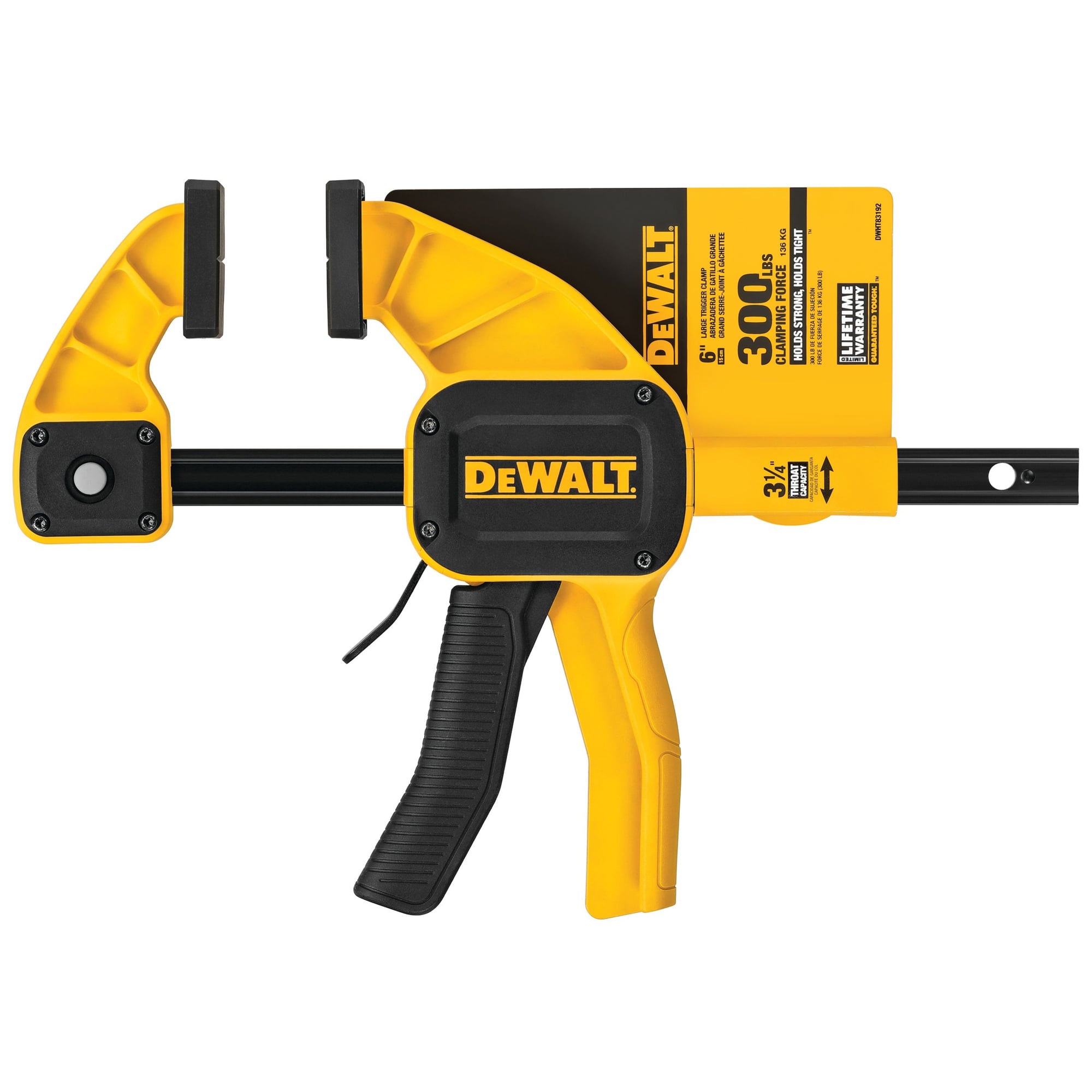
Thanks DeWalt for photo
 02-16-24 | 06:51 PM
#20

Regular
Joined: May 2016
Posts: 9,153
Likes: 2,970
From: Yucatán. México
Bikes: 2022 Gt Amalanche Comp, 1989 Centurion Ironman frankenbike, 1987 Schwann Prelude town bike.
My next round will get a wipe down with nail
polish remover (I can’t remember the name of the chemical. Sad.) first. I’ve been having a zero percent success rate these past few years. I bought a new tube of glue today, and use Rema patches
polish remover (I can’t remember the name of the chemical. Sad.) first. I’ve been having a zero percent success rate these past few years. I bought a new tube of glue today, and use Rema patches
 02-16-24 | 09:14 PM
#22
Senior Member
Joined: Jan 2013
Posts: 3,139
Likes: 877
Bikes: too many sparkly Italians, some sweet Americans and a couple interesting Japanese
It is acetone or in some brands a less effective remover. I use pure acetone to finally clean the tube prior to Rema, works well.
 02-16-24 | 11:08 PM
#24

Passista
Joined: Jul 2005
Posts: 8,247
Likes: 1,211
Bikes: 1998 Pinarello Asolo, 1992 KHS Montaña pro, 1980 Raleigh DL-1, IGH Hybrid, IGH Utility
Maybe it's just luck, but I have put literally hundreds of patches and maybe 3 or 4 failed. I even overlapped patches, used tubes with 20 patches on them, no problems. My method is simple:
Start with clean hands.
Locate the puncture and draw with a pencil a sort of of crosshairs with the hole in the center, to aid centering the patch later.
Sand very thoroughly with 60/100 grit sandpaper an area about 1 1/2 larger than the patch. This is the step that takes more time, I like to achieve a clean, fully matte area and erase any ridges or molding lines. Wipe clean with the back of your finger.
Apply a thin layer of cement (with my clean finger) and let dry 3 to 5 minutes. It should be fully dry before applying the patch. If in doubt about the tube "patchability", I apply a 2nd layer and let dry another 3 - 5 mins.
Peel the patch carefully taking care the edges doesn't curl and apply without touching the contact surface.
Press hard on the patch - preferably with a roller, but not really needed. You can use a screwdriver handle, or any similar tool, even your thumbs.
That's it. You can use the tube immediatly, in fact probably the air pressure helps in pressing the patch.
Start with clean hands.
Locate the puncture and draw with a pencil a sort of of crosshairs with the hole in the center, to aid centering the patch later.
Sand very thoroughly with 60/100 grit sandpaper an area about 1 1/2 larger than the patch. This is the step that takes more time, I like to achieve a clean, fully matte area and erase any ridges or molding lines. Wipe clean with the back of your finger.
Apply a thin layer of cement (with my clean finger) and let dry 3 to 5 minutes. It should be fully dry before applying the patch. If in doubt about the tube "patchability", I apply a 2nd layer and let dry another 3 - 5 mins.
Peel the patch carefully taking care the edges doesn't curl and apply without touching the contact surface.
Press hard on the patch - preferably with a roller, but not really needed. You can use a screwdriver handle, or any similar tool, even your thumbs.
That's it. You can use the tube immediatly, in fact probably the air pressure helps in pressing the patch.
 02-16-24 | 11:27 PM
#25

ambulatory senior

Joined: Dec 2016
Posts: 6,451
Likes: 4,515
From: Peoria Il
Bikes: Austro Daimler modified by Gugie! Raleigh Professional and lots of other bikes.
I'm so glad this post was made, I thought it was me getting worse at patching tubes. Thanks for all the great advice!