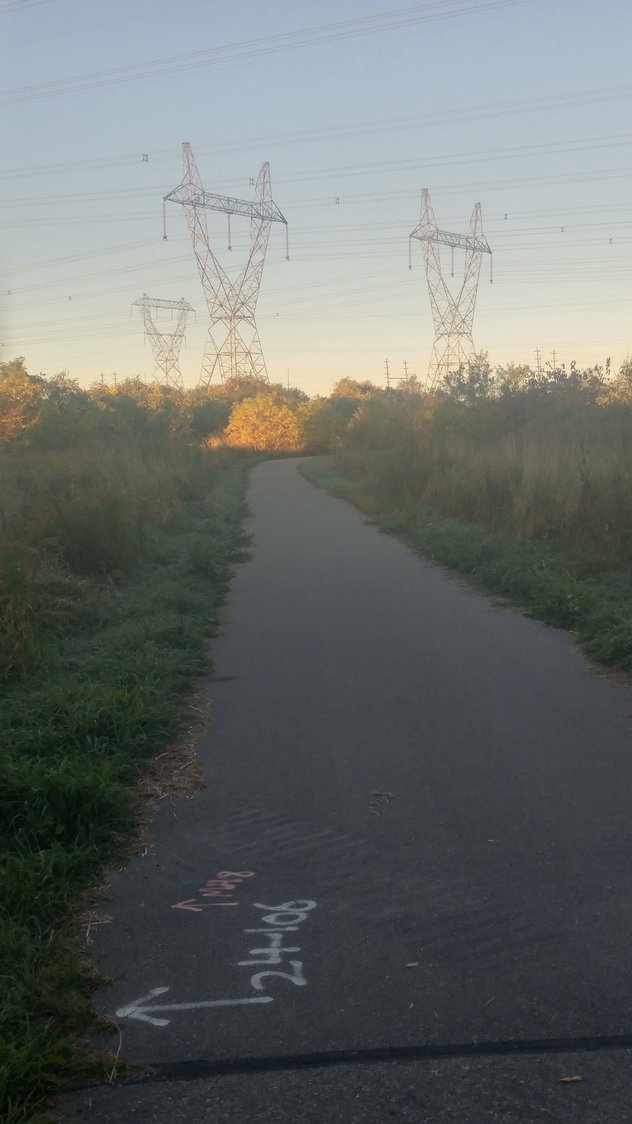
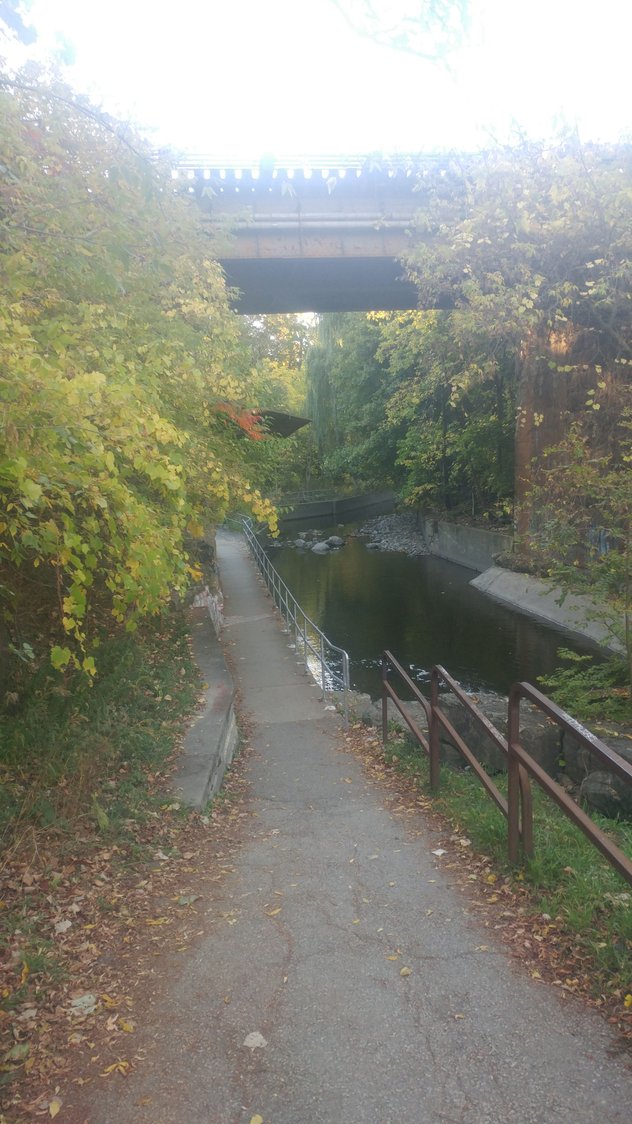
What does "bicycle infrastructure" means?
 10-11-25 | 12:12 PM
#1
Thread Starter
Senior Member


Joined: Jul 2010
Posts: 1,788
Likes: 722
What does "bicycle infrastructure" means?
I'm relocating to Aurora Colorado, and I'm looking forward to bike commute again! I miss that soo much.
Rental sites now include a bike infrastructure score. For those familiar with the area I'll be working by the Southlands, and the nearby place I'm looing to rent has a bike infrastructure score of 11 out of 100. I jumped into google maps' yellow dude did a fly-by of the road, and as far as the eye can see it is nothing but perfectly maintained asphalt, with shoulders, and manicured sidewalks with ramps in all corners. And I mean these people seem to be allergic to sand and gravel; roads, shoulders, and sidewalks are squeaky clean.
What is the standard where this is considered 11 out of 100?
Rental sites now include a bike infrastructure score. For those familiar with the area I'll be working by the Southlands, and the nearby place I'm looing to rent has a bike infrastructure score of 11 out of 100. I jumped into google maps' yellow dude did a fly-by of the road, and as far as the eye can see it is nothing but perfectly maintained asphalt, with shoulders, and manicured sidewalks with ramps in all corners. And I mean these people seem to be allergic to sand and gravel; roads, shoulders, and sidewalks are squeaky clean.
What is the standard where this is considered 11 out of 100?
 10-11-25 | 09:51 PM
#2

Senior Member

Joined: Jun 2011
Posts: 1,181
Likes: 480
From: Newbury Park, CA
I'm not familiar with that specific area of Denver, but I grew up in Colorado Springs which has similar patterns of suburbia and I've spent some time riding through other parts of Denver, so that style of neighborhood is something I'm very familiar with. I think 11% is about right: there's a few bike lanes and the trail that parallels E-470, but that's about all that's there specifically for people on bikes. The expectation is that everyone will drive an automobile for 100% of trips and this is clearly indicated by the street layout, intersection designs, and land use patterns. All journeys require using high-speed arterial roads. That doesn't mean you can't ride a bike there, but the only people likely to ride bikes there are strong, fit, and confident road cyclists. Anyone who's not in that group is likely to ride on the sidewalks if they ever get on a bike at all.
10-11-25 | 10:21 PM
#3

Disco Infiltrator


Joined: May 2013
Posts: 15,328
Likes: 3,518
From: Folsom CA
Bikes: Stormchaser, Paramount, Tilt, Samba tandem
I’m not sure about the score but I would guess from the 11% number that it’s a checklist of nine things and it didn’t have eight of them. The one thing is bike racks, I’d guess.
Some otherwise perfectly nice places are just terrible for bicycling. Square curbs and no shoulders and no bike lanes. Sidewalks are OK if there’s no pedestrians using them, but you’re not really supposed to be there on a bicycle. And they often just end when you get to the edge of a property. One of the reasons that I didn’t move out to Alabama with the rest of my company is that the destination city has “bike routes“ that consist of a bent vandalized sign post at the start and nothing more.
by contrast here in California’s elbow, we have bike lanes on nearly every street that is big enough to get paint. The ones that don’t usually haven’t been remodeled in a long time or it’s too narrow to add the width. Stoplight sometimes have induction coils just for bikes. There are bike trails through the city parks that go along the two creeks in my city. The road parallel to the railroad track along the American river is one of the oldest paved roads in the area and it was first paved at least in part by a local bicycle club over 100 years ago. You can ride from Granite Bay to Davis almost without ever going on the street.
to be fair, not every city has the money or the enthusiasm for this stuff. You can imagine how this would go over in Alabama.
You will find a similar dichotomy in how well they adhere to standards for things like rail crossings and handicap parking spaces.
Some otherwise perfectly nice places are just terrible for bicycling. Square curbs and no shoulders and no bike lanes. Sidewalks are OK if there’s no pedestrians using them, but you’re not really supposed to be there on a bicycle. And they often just end when you get to the edge of a property. One of the reasons that I didn’t move out to Alabama with the rest of my company is that the destination city has “bike routes“ that consist of a bent vandalized sign post at the start and nothing more.
by contrast here in California’s elbow, we have bike lanes on nearly every street that is big enough to get paint. The ones that don’t usually haven’t been remodeled in a long time or it’s too narrow to add the width. Stoplight sometimes have induction coils just for bikes. There are bike trails through the city parks that go along the two creeks in my city. The road parallel to the railroad track along the American river is one of the oldest paved roads in the area and it was first paved at least in part by a local bicycle club over 100 years ago. You can ride from Granite Bay to Davis almost without ever going on the street.
to be fair, not every city has the money or the enthusiasm for this stuff. You can imagine how this would go over in Alabama.
You will find a similar dichotomy in how well they adhere to standards for things like rail crossings and handicap parking spaces.
Last edited by Darth Lefty; 10-11-25 at 10:35 PM.
 10-12-25 | 09:14 AM
#5
Senior Member
Joined: Jul 2021
Posts: 775
Likes: 371
It doesn't matter what 'bicycle infrastructure' means; American urban road infrastructure is made for cars.
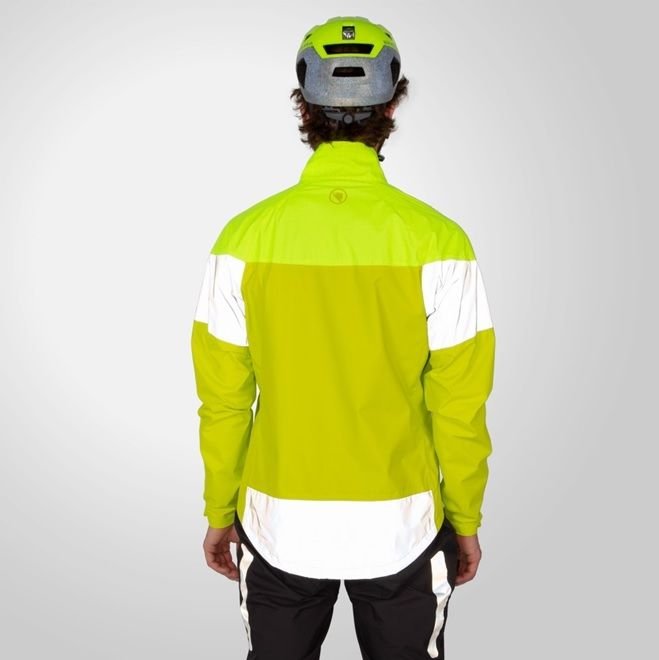
No matter what city you relocate to, day or night, wear a safety yellow jacket with reflective stripes and a safety yellow helmet (plus front and rear lights at night), and keep riding on the road, as long as it is not an interstate. Trust your bike-riding technique and skill; you only need 40mm of good paved road to accommodate your 28mm/32mm bike tire.
No matter what city you relocate to, day or night, wear a safety yellow jacket with reflective stripes and a safety yellow helmet (plus front and rear lights at night), and keep riding on the road, as long as it is not an interstate. Trust your bike-riding technique and skill; you only need 40mm of good paved road to accommodate your 28mm/32mm bike tire.
 10-12-25 | 11:07 AM
#6
Clark W. Griswold

Joined: Mar 2014
Posts: 18,248
Likes: 6,624
From: ,location, location
Bikes: Foundry Chilkoot Ti W/Ultegra Di2, Salsa Timberjack Ti, Cinelli Mash Work RandoCross Fun Time Machine, 1x9 XT Parts Hybrid, Co-Motion Cascadia, Specialized Langster, Phil Wood Apple VeloXS Frame (w/DA 7400), R+M Supercharger2 Rohloff, Habanero Ti 26
The lights are way more important than a piece of clothing. Those should not be an afterthought those should be the first thought and second thought and maybe third thought and then you can get clothing that people may or may not see. Good bright lights but most importantly with a good solid beam pattern that helps illuminate the road well and makes you more visible without blinding others. Your goal should be visibility but active visibility not just a passive jacket and hope that someone will see that. I think reflective clothing is cool and there have been some excellent advances but it won't replace a light and isn't a worthwhile conversation without lights first and foremost.
10-12-25 | 11:16 AM
#7

Senior Member
Joined: Apr 2011
Posts: 12,648
Likes: 4,791
Bicycle infrastructure includes things like markings, designated bike routes, signs, specific lanes and non-automobile trails.
I would much rather bike on a quiet country road with zero bike infrastructure than on a city MUP with 100%, but that isn't what is being asked.
I would much rather bike on a quiet country road with zero bike infrastructure than on a city MUP with 100%, but that isn't what is being asked.
10-12-25 | 01:50 PM
#8

Cantilever believer
Joined: Nov 2021
Posts: 3,121
Likes: 4,779
From: Phoenix, AZ
A couple observations:
Being conspicuous by using lights and high-contrast materials can help, but only if the cyclist is riding in a manner where they are likely to be seen by other drivers; in the direction of traffic flow and in clear view of the traffic stream. I've seen intentional wrong-way riders wearing ASTM Class II vests have close calls as drivers literally do not look in the direction from which they are approaching at intersections due to learned and ingrained behavior.
Bicycle infrastructure can be anything from a shared lane marking to an independent pathway with grade separations at street crossings (I rode both of these just this morning). But one thing to remember is that for more than a decade in the US there has been a conscious decision to rate and evaluate bicyclist accommodation based on perceived safety (how "comfortable" a rider feels using the facility) vs. actual safety (reported crashes and observed conflicts).
Being conspicuous by using lights and high-contrast materials can help, but only if the cyclist is riding in a manner where they are likely to be seen by other drivers; in the direction of traffic flow and in clear view of the traffic stream. I've seen intentional wrong-way riders wearing ASTM Class II vests have close calls as drivers literally do not look in the direction from which they are approaching at intersections due to learned and ingrained behavior.
Bicycle infrastructure can be anything from a shared lane marking to an independent pathway with grade separations at street crossings (I rode both of these just this morning). But one thing to remember is that for more than a decade in the US there has been a conscious decision to rate and evaluate bicyclist accommodation based on perceived safety (how "comfortable" a rider feels using the facility) vs. actual safety (reported crashes and observed conflicts).
__________________
Richard C. Moeur, PE - Phoenix AZ, USA
https://www.richardcmoeur.com/bikestuf.html
Richard C. Moeur, PE - Phoenix AZ, USA
https://www.richardcmoeur.com/bikestuf.html
10-12-25 | 11:33 PM
#10
Thread Starter
Senior Member
Joined: Jul 2010
Posts: 1,788
Likes: 722
I'm not familiar with that specific area of Denver, but I grew up in Colorado Springs which has similar patterns of suburbia and I've spent some time riding through other parts of Denver, so that style of neighborhood is something I'm very familiar with. I think 11% is about right: there's a few bike lanes and the trail that parallels E-470, but that's about all that's there specifically for people on bikes. The expectation is that everyone will drive an automobile for 100% of trips and this is clearly indicated by the street layout, intersection designs, and land use patterns. All journeys require using high-speed arterial roads. That doesn't mean you can't ride a bike there, but the only people likely to ride bikes there are strong, fit, and confident road cyclists. Anyone who's not in that group is likely to ride on the sidewalks if they ever get on a bike at all.
These are wide, straight suburbia roads that on a google maps flyover look squeaky clean, sidewalks with ramps, clean shoulders, and most with labeled bike lanes. It sounds like there is an automagically generated score based on a system that never pedaled a single mile through them. Heck this is the "highway" outside of the neighborhood on the way to the mall, typical condition or better. I have toured through soooooo much worse.
 10-13-25 | 01:00 PM
#11

Commuter, roadie
Joined: Jun 2022
Posts: 2,775
Likes: 2,284
From: SE Wisconsin, USA
Bikes: Trek: Domane AL3, Checkpoint SL7; Priority Apollo 11, ZiZZO Forte + eBikes
A couple observations:
Being conspicuous by using lights and high-contrast materials can help, but only if the cyclist is riding in a manner where they are likely to be seen by other drivers; in the direction of traffic flow and in clear view of the traffic stream. I've seen intentional wrong-way riders wearing ASTM Class II vests have close calls as drivers literally do not look in the direction from which they are approaching at intersections due to learned and ingrained behavior.
Bicycle infrastructure can be anything from a shared lane marking to an independent pathway with grade separations at street crossings (I rode both of these just this morning). But one thing to remember is that for more than a decade in the US there has been a conscious decision to rate and evaluate bicyclist accommodation based on perceived safety (how "comfortable" a rider feels using the facility) vs. actual safety (reported crashes and observed conflicts).
Being conspicuous by using lights and high-contrast materials can help, but only if the cyclist is riding in a manner where they are likely to be seen by other drivers; in the direction of traffic flow and in clear view of the traffic stream. I've seen intentional wrong-way riders wearing ASTM Class II vests have close calls as drivers literally do not look in the direction from which they are approaching at intersections due to learned and ingrained behavior.
Bicycle infrastructure can be anything from a shared lane marking to an independent pathway with grade separations at street crossings (I rode both of these just this morning). But one thing to remember is that for more than a decade in the US there has been a conscious decision to rate and evaluate bicyclist accommodation based on perceived safety (how "comfortable" a rider feels using the facility) vs. actual safety (reported crashes and observed conflicts).
- Adequate bike parking for rush hour everywhere with modern locking loops.
- Bike lanes separate from both automotive lanes AND sidewalks.
- Separate traffic signals or routing bike lanes such that they don't have to cross busy automotive streets. (i.e. with bike tunnels or bridges)
- Mass transit accommodating bikes
- Paved bike lanes that are maintained. (pavement and cleanliness)
- Bike lanes are contiguous, so that one can actually get around on them, rather than having to try to connect them with bike-hostile routes.
In my city, we have "sharrows", just paint on a part of the lane that makes it clear bikes are entitled to ride there. But of course, they are in The Door Zone of parallel parked lanes and they get ground down from snow plows and not refreshed often enough.
We have some bike trails here that are built and paved once, then never again touched, so they have deep cracks, broken glass, etc. After that, people will walk on them, but cyclists look for better accommodation. Then the politicians say: "We have these nice multi-use trails, but cyclists don't use them, so they're a waste of money." (not bothering to find out why we don't use them.)
Take a look at this Google Map view of my city with the bike lanes in medium green and multi-use paths (MUPs) in darker green. You can see my house and work (blue dots) toward the south end of the map. Even for this 2 mile commute, I cannot go the whole way on a bike-friendly route. What if a fellow wants to go from the MUP leaving the south side of the map north to that nice MUP heading NE on the north side of town? I either take a bike-hostile route through the city to its south end or go over to the lake and ride an extra few miles and take another 15 minutes in doing so. It takes guts to do it in rush hour, lemme tell you.

Disconnected bike infrastructure
Note all the nice trails in Petrifying Springs Park at the NW part of the map; they're recreational; 97.3% useless. There are some nice MTB trails in there, which our local MTB club helps maintain.
__________________
-Jeremy
-Jeremy
Last edited by Smaug1; 10-13-25 at 01:21 PM.
10-15-25 | 08:44 AM
#12

aka Tom Reingold
Joined: Jan 2009
Posts: 44,163
Likes: 6,382
From: New York, NY, and High Falls, NY, USA
Bikes: 1962 Rudge Sports, 1971 Raleigh Super Course, 1971 Raleigh Pro Track, 1974 Raleigh International, 1975 Viscount Fixie, 1982 McLean, 1996 Lemond (Ti), 2002 Burley Zydeco tandem
Sharrows are dumb because drivers don't know what they mean and only a few people who ride bikes know. It's worse when they're placed in the door zone. I think it's ideal to place them in dead center of the lane or left of center. That way it will encourage people to ride in the center.
__________________
Tom Reingold, tom@noglider.com
New York City and High Falls, NY
Blogs: The Experienced Cyclist; noglider's ride blog
“When man invented the bicycle he reached the peak of his attainments.” — Elizabeth West, US author
Please email me rather than PM'ing me. Thanks.
Tom Reingold, tom@noglider.com
New York City and High Falls, NY
Blogs: The Experienced Cyclist; noglider's ride blog
“When man invented the bicycle he reached the peak of his attainments.” — Elizabeth West, US author
Please email me rather than PM'ing me. Thanks.
10-15-25 | 02:01 PM
#13
Cantilever believer
Joined: Nov 2021
Posts: 3,121
Likes: 4,779
From: Phoenix, AZ
Sharrows are dumb because drivers don't know what they mean and only a few people who ride bikes know. It's worse when they're placed in the door zone. I think it's ideal to place them in dead center of the lane or left of center. That way it will encourage people to ride in the center.
If there is a crash and the SLM is placed contrary to standards and guidance, the agency could be held liable, if the state's laws allows legal actions against public agencies. Some states (especially in the northeast US) have near-absolute legal immunity for public agencies, while others can and do get sued at the drop of a cycling cap.
__________________
Richard C. Moeur, PE - Phoenix AZ, USA
https://www.richardcmoeur.com/bikestuf.html
Richard C. Moeur, PE - Phoenix AZ, USA
https://www.richardcmoeur.com/bikestuf.html
10-15-25 | 02:06 PM
#14
Cantilever believer
Joined: Nov 2021
Posts: 3,121
Likes: 4,779
From: Phoenix, AZ
It's my understanding that many cycling suitability rating systems value connectivity over many other factors, since as noted by previous commentors a disconnected and disjointed system has far less utility to riders, even if the individual segments are of good quality.
__________________
Richard C. Moeur, PE - Phoenix AZ, USA
https://www.richardcmoeur.com/bikestuf.html
Richard C. Moeur, PE - Phoenix AZ, USA
https://www.richardcmoeur.com/bikestuf.html
10-15-25 | 04:29 PM
#15
Disco Infiltrator
Joined: May 2013
Posts: 15,328
Likes: 3,518
From: Folsom CA
Bikes: Stormchaser, Paramount, Tilt, Samba tandem
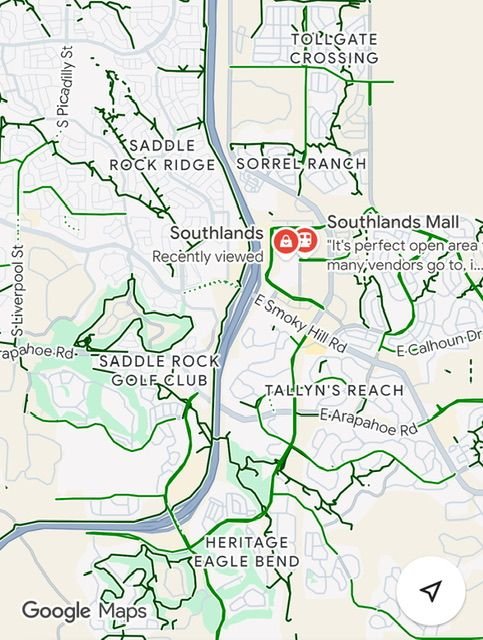
I wasn’t able to find the specific rating, but I did find some for the area that we were kind of low, although not that low. The area features a freeway which are often hard to get across in a convenient way. Some of the arteries are lacking bike lanes. Some of the neighborhoods have interior bicycle corridors that go for about a mile each.
__________________
Genesis 49:16-17
"Well, well!" said Holmes, impatiently. "A good cyclist does not need a high road. The moor is intersected with paths and the moon is at the full."
Genesis 49:16-17
"Well, well!" said Holmes, impatiently. "A good cyclist does not need a high road. The moor is intersected with paths and the moon is at the full."