


Hydraulic Disc Brakes Problem
 11-10-24 | 02:00 AM
#1
Thread Starter
Newbie
Joined: Nov 2024
Posts: 2
Likes: 1
Hydraulic Disc Brakes Problem
Hello all!
I was changing a tire and I made the mistake of pressing the brake without the wheel on, with the result that the pads closed and I couldn't put the wheel between the discs, I followed a guide from YT "Oops! Fix (most) hydraulic disc brakes" that helped me, the problem is now that it doesn't work they whey was before ..I press it and the brake lever it goes all the way back to the handlebars in my hand and the bike just like you're crawling, also when i was trying to fix it, I unscrewed the cap that has liquid with the result that it spilled a little, is this a problem? or did it get air inside, any idea would be appreciated.
 11-10-24 | 07:10 AM
#2
Senior Member


Joined: Sep 2017
Posts: 10,344
Likes: 14,836
I can tell you what you did wrong and how you would fix it, but you seem to be a novice. So instead, I’ll just suggest that you take the bike to a shop and let them deal with it. I think the repair will be a bit beyond your skill level.
 11-10-24 | 07:16 AM
#3

Senior Member
Joined: Jul 2023
Posts: 2,027
Likes: 1,250
From: "Driftless" WI
Bikes: 1972 Motobecane Grand Record, 2023 Specialized Tarmac SL7,'26 Spesh Diverge, '22 Kona Dew+
I'm too-recently acquainted with riding bikes with discs to have anything first hand to share. Your plight reinforces my desire to proceed with due caution when the time comes for my brakes to need attention.
I did find this fairly new web article describing what happens when a brake lever is inadvertently applied without a disc being between the pads. There may be something in it that helps you get beyond what you're facing.
Other forum members with greater personal experience ought to be replying soon. I'm looking to learn from what they tell us as much as I'm hoping they help you solve your issue.
I did find this fairly new web article describing what happens when a brake lever is inadvertently applied without a disc being between the pads. There may be something in it that helps you get beyond what you're facing.
Other forum members with greater personal experience ought to be replying soon. I'm looking to learn from what they tell us as much as I'm hoping they help you solve your issue.
11-10-24 | 08:59 AM
#4

OM boy

Joined: Jul 2005
Posts: 5,342
Likes: 1,330
From: Goleta CA
Bikes: a bunch
Yes, All done were No-no's...
Don't mess with it .
Take it to your Local Good Bike Shop, and let them set it right - they have the knowledge and the right tools to get it done quickly...
or
Break out your backup bike, and then learn more lessons as you work on making it right.
mistakes are one of the best instructors...
Ride On
Yuri
Don't mess with it .
Take it to your Local Good Bike Shop, and let them set it right - they have the knowledge and the right tools to get it done quickly...
or
Break out your backup bike, and then learn more lessons as you work on making it right.
mistakes are one of the best instructors...
Ride On
Yuri
11-10-24 | 09:07 AM
#5

ignominious poltroon
Joined: Jan 2022
Posts: 6,027
Likes: 5,377
You can probably just top off the missing brake fluid.
Usually after re-setting the pistons and closing the bleed port, you have to pump the brakes a bit for them to return to the initial position. If they don't, it indicates air (and possibly a leak).
At this point, you are probably best served to take it to a bike shop.
Usually after re-setting the pistons and closing the bleed port, you have to pump the brakes a bit for them to return to the initial position. If they don't, it indicates air (and possibly a leak).
At this point, you are probably best served to take it to a bike shop.
11-10-24 | 10:23 AM
#6
Senior Member
Joined: Jul 2023
Posts: 2,027
Likes: 1,250
From: "Driftless" WI
Bikes: 1972 Motobecane Grand Record, 2023 Specialized Tarmac SL7,'26 Spesh Diverge, '22 Kona Dew+
I've replaced rotors and pads on auto disc brakes myself for decades. Mechanically the differences between bicycle and auto hydraulic discs have to be minimal save aspects of size and scale. On the autos, often a 'special tool' was necessary as the caliper pistons required rotating while moving them back into the caliper bores during re-padding operation. I've not yet read that this is an aspect confronting bicycle techs when dealing with hydraulics so that's one minor difference.
Is it simply a matter of opening the bleed port before repositioning a caliper's pistons when performing what would have avoided the OP's mishap?
Are the various designs of bicycle hydraulic discs so different that basic maintenance is unique to each?
Put in simple terms, the procedure for replacing pads ought to be what needs to be understood by an owner confronted by what the OP's asking about, right?
True that while also being a fine way to lighten your wallet if you go in head first. You'll learn much by DIY, ask me how I know.
Is it simply a matter of opening the bleed port before repositioning a caliper's pistons when performing what would have avoided the OP's mishap?
Are the various designs of bicycle hydraulic discs so different that basic maintenance is unique to each?
Put in simple terms, the procedure for replacing pads ought to be what needs to be understood by an owner confronted by what the OP's asking about, right?
True that while also being a fine way to lighten your wallet if you go in head first. You'll learn much by DIY, ask me how I know.
Last edited by spclark; 11-10-24 at 10:26 AM.
11-10-24 | 12:03 PM
#7
Senior Member
Joined: Sep 2017
Posts: 10,344
Likes: 14,836
The whole thing should take ten minutes, unless they are the fiddly Shimano brake pads that are sometimes tricky to reinsert (well, for me anyway) properly.
__________________
11-10-24 | 12:53 PM
#9
Thread Starter
Newbie
Joined: Nov 2024
Posts: 2
Likes: 1
Yep, it looks like I messed up a bit down there with the brakes.. at that stage I will choose a shop that is familiar with the subject and has the tools for this job. Thanks to everyone who replied!
Last edited by Viktor706; 11-10-24 at 01:02 PM.
11-10-24 | 01:29 PM
#10
Senior Member
Joined: Jul 2023
Posts: 2,027
Likes: 1,250
From: "Driftless" WI
Bikes: 1972 Motobecane Grand Record, 2023 Specialized Tarmac SL7,'26 Spesh Diverge, '22 Kona Dew+
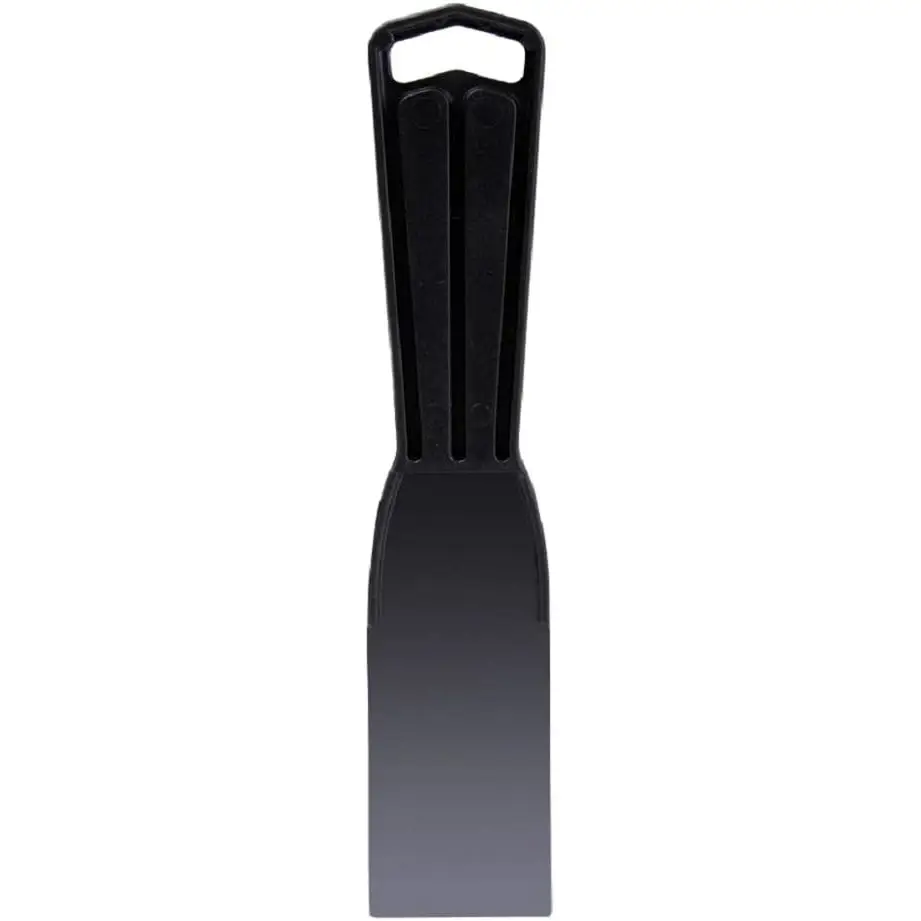
Any particular 'special tool' needed to push pads back into calipers? I'd opt for a largish flat-bladed screw driver myself unless someone had told me beforehand something else is safer as well as more practical.

 11-10-24 | 02:46 PM
#12

Senior Member
Joined: Sep 2017
Posts: 2,368
Likes: 2,483
From: Upstate SC
Just FYI - I found some hobby grade plywood, 6mm thick - about the same thickness of the rotors on my bike. I cut out a section shaped like a brake pad. If I have to remove a wheel, I just slip the wood between the pads, so if I accidentally press the brake lever (easy enough to do when changing a flat in the rain out on the road. Trust me) it's no harm, no foul. Just remove the wood and slide the rotor back in.
The wooden block is small enough to carry in my under-saddle bag, along with my spare tube and tire levers.
The wooden block is small enough to carry in my under-saddle bag, along with my spare tube and tire levers.
11-10-24 | 03:14 PM
#13
Senior Member
Joined: Sep 2017
Posts: 10,344
Likes: 14,836
Though those makeshift tools will work, I did buy the one below...Just 'cause I like tools.
__________________
11-10-24 | 03:16 PM
#14
Senior Member
Joined: Jul 2023
Posts: 2,027
Likes: 1,250
From: "Driftless" WI
Bikes: 1972 Motobecane Grand Record, 2023 Specialized Tarmac SL7,'26 Spesh Diverge, '22 Kona Dew+

 11-10-24 | 03:53 PM
#16
Gruppetto Bob

Joined: Sep 2020
Posts: 11,576
Likes: 11,781
From: Seattle-ish
Bikes: Orbea Orca, Bianchi Infinito & Campione de Mundo
The OP needs one of these spacer thingies so it never happens again. Remove wheel and insert spacer thingy in caliper.

__________________
“A watt saved is a watt earned” 🚴🏻♂️
 Not a CAT
“A watt saved is a watt earned” 🚴🏻♂️
11-10-24 | 08:28 PM
#18
Gruppetto Bob
Joined: Sep 2020
Posts: 11,576
Likes: 11,781
From: Seattle-ish
Bikes: Orbea Orca, Bianchi Infinito & Campione de Mundo
11-10-24 | 09:05 PM
#19
Senior Member

Joined: Dec 2009
Posts: 717
Likes: 229
11-11-24 | 10:14 AM
#20

Senior Member

Joined: Oct 2013
Posts: 8,290
Likes: 3,691
From: Mich
Bikes: RSO E-tire dropper fixie brifter
11-11-24 | 05:10 PM
#21


pan y agua
Joined: Aug 2005
Posts: 31,812
Likes: 1,234
From: Jacksonville
Bikes: Willier Zero 7; Merlin Extralight; Calfee Dragonfly tandem, Calfee Adventure tandem; Cervelo P2; Motebecane Ti Fly 29er; Motebecanne Phantom Cross; Schwinn Paramount Track bike
these tools are definitely preferred, but a wide standard screw driver will work, used carefully, not to damage the pads or the pistons
__________________
You could fall off a cliff and die.
You could get lost and die.
You could hit a tree and die.
OR YOU COULD STAY HOME AND FALL OFF THE COUCH AND DIE.
You could fall off a cliff and die.
You could get lost and die.
You could hit a tree and die.
OR YOU COULD STAY HOME AND FALL OFF THE COUCH AND DIE.
11-11-24 | 07:35 PM
#22
Senior Member
Joined: Jul 2023
Posts: 2,027
Likes: 1,250
From: "Driftless" WI
Bikes: 1972 Motobecane Grand Record, 2023 Specialized Tarmac SL7,'26 Spesh Diverge, '22 Kona Dew+
My experience with auto disc brakes has always been that bleeding the system (of possible air entrapment or for a replacement of aged or contaminated fluid) is done with pads in place.
Any potential for pads to be contaminated by leaked fluid is supposed to be circumvented by placing a hose over the end of the bleeder ports to redirect escaping fluid into a proper reservoir.
Is this not possible with popular bicycle hydraulic brake systems?
(Being new to hydraulic disc brakes on bicycles I fully expect to have to get up to speed with proper maintenance sooner or later. I'm not at all the type to leave what ought to be routine maintenance to my LBS staffers. There's only one LBS in town, any others are a fair drive distant, no co-op closer than a two hour, one-way drive.)
11-11-24 | 07:52 PM
#23
ignominious poltroon
Joined: Jan 2022
Posts: 6,027
Likes: 5,377
My experience with auto disc brakes has always been that bleeding the system (of possible air entrapment or for a replacement of aged or contaminated fluid) is done with pads in place.
Any potential for pads to be contaminated by leaked fluid is supposed to be circumvented by placing a hose over the end of the bleeder ports to redirect escaping fluid into a proper reservoir.
I suspect in the case of auto brakes, you aren't using aquarium air hose jammed onto a little barb.
Is this not possible with popular bicycle hydraulic brake systems?
I've done it, but I've also sprayed mineral oil all over myself, so there is that.
(Being new to hydraulic disc brakes on bicycles I fully expect to have to get up to speed with proper maintenance sooner or later. I'm not at all the type to leave what ought to be routine maintenance to my LBS staffers. There's only one LBS in town, any others are a fair drive distant, no co-op closer than a two hour, one-way drive.)
 11-12-24 | 08:12 AM
#24
Senior Member
Joined: Feb 2014
Posts: 800
Likes: 311
From: Westchester, NY
Bikes: Cannondale SuperSix EVO Hi-Mod 2, Specialized Tarmac SL8 Fact 10r
Hello all!
I was changing a tire and I made the mistake of pressing the brake without the wheel on, with the result that the pads closed and I couldn't put the wheel between the discs, I followed a guide from YT "Oops! Fix (most) hydraulic disc brakes" that helped me, the problem is now that it doesn't work they whey was before ..I press it and the brake lever it goes all the way back to the handlebars in my hand and the bike just like you're crawling, also when i was trying to fix it, I unscrewed the cap that has liquid with the result that it spilled a little, is this a problem? or did it get air inside, any idea would be appreciated.
I was changing a tire and I made the mistake of pressing the brake without the wheel on, with the result that the pads closed and I couldn't put the wheel between the discs, I followed a guide from YT "Oops! Fix (most) hydraulic disc brakes" that helped me, the problem is now that it doesn't work they whey was before ..I press it and the brake lever it goes all the way back to the handlebars in my hand and the bike just like you're crawling, also when i was trying to fix it, I unscrewed the cap that has liquid with the result that it spilled a little, is this a problem? or did it get air inside, any idea would be appreciated.
Last edited by Jrasero; 11-12-24 at 08:19 AM.
11-12-24 | 08:17 AM
#25
Senior Member
Joined: Feb 2014
Posts: 800
Likes: 311
From: Westchester, NY
Bikes: Cannondale SuperSix EVO Hi-Mod 2, Specialized Tarmac SL8 Fact 10r
Enlighten me please as to why it's necessary to remove the brake pads when doing a fluid bleed?
My experience with auto disc brakes has always been that bleeding the system (of possible air entrapment or for a replacement of aged or contaminated fluid) is done with pads in place.
Any potential for pads to be contaminated by leaked fluid is supposed to be circumvented by placing a hose over the end of the bleeder ports to redirect escaping fluid into a proper reservoir.
Is this not possible with popular bicycle hydraulic brake systems?
(Being new to hydraulic disc brakes on bicycles I fully expect to have to get up to speed with proper maintenance sooner or later. I'm not at all the type to leave what ought to be routine maintenance to my LBS staffers. There's only one LBS in town, any others are a fair drive distant, no co-op closer than a two hour, one-way drive.)
My experience with auto disc brakes has always been that bleeding the system (of possible air entrapment or for a replacement of aged or contaminated fluid) is done with pads in place.
Any potential for pads to be contaminated by leaked fluid is supposed to be circumvented by placing a hose over the end of the bleeder ports to redirect escaping fluid into a proper reservoir.
Is this not possible with popular bicycle hydraulic brake systems?
(Being new to hydraulic disc brakes on bicycles I fully expect to have to get up to speed with proper maintenance sooner or later. I'm not at all the type to leave what ought to be routine maintenance to my LBS staffers. There's only one LBS in town, any others are a fair drive distant, no co-op closer than a two hour, one-way drive.)