


End of the MRT and more touring advice needed
 12-06-18 | 08:59 PM
#1
Thread Starter
Junior Member
Joined: Aug 2018
Posts: 24
Likes: 0
End of the MRT and more touring advice needed
After a 20yr layoff from jumping on a bike and coming off the couch after two serious surgeries that sidelined me for about 15mo, me and my lady Ms. Mint Julep got down to the end of the Mississippi. We had some mighty cold and nasty weather. Thanks to everyone who answered all my noobie questions starting back in June. Now I get to ask more questions 
If I wanted to do something more off road like the Great Divide route of the Arizona trail, could I modify my Vaya or would it just be a lot better to save up and get another bike? I suppose I could sell my current bike, but we bonded after 2000+ miles along the river and I would hate to see her go. I see people using Surly Troll’s, ECR’s and a lot of Salsa Cutthroats on those routes online. I am guessing people would recommend against carbon as it is more cost prohibitive and less durable for someone looking to hold onto a bike for a while?? Do people have certain bike suggestions that they like for bikepacking trails like these or “around the world” type of bikes? I would ideally like something to do more off road, in nature routes like these. But, I would also like the bike to eat some pavement once in a while. I felt like the MRT was just way too much highway mileage and I’d like to get away from cars more. With my injuries, I do need a more “forgiving” bike. I felt my loaded Vaya on the gravel sections of the MRT was a bit rough.
Thanks for all the help guys. Learning every day and so excited to be able to bike!
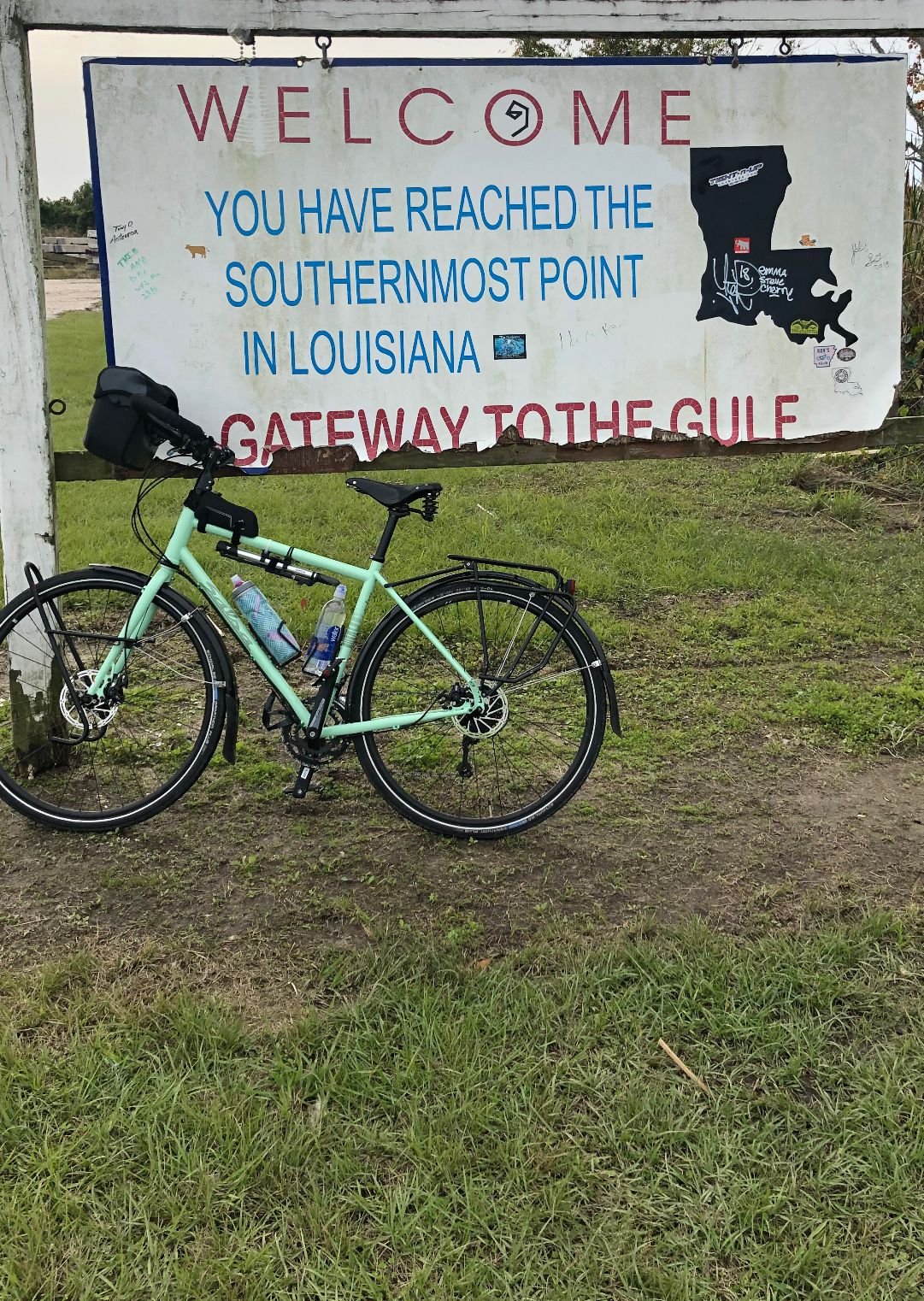
If I wanted to do something more off road like the Great Divide route of the Arizona trail, could I modify my Vaya or would it just be a lot better to save up and get another bike? I suppose I could sell my current bike, but we bonded after 2000+ miles along the river and I would hate to see her go. I see people using Surly Troll’s, ECR’s and a lot of Salsa Cutthroats on those routes online. I am guessing people would recommend against carbon as it is more cost prohibitive and less durable for someone looking to hold onto a bike for a while?? Do people have certain bike suggestions that they like for bikepacking trails like these or “around the world” type of bikes? I would ideally like something to do more off road, in nature routes like these. But, I would also like the bike to eat some pavement once in a while. I felt like the MRT was just way too much highway mileage and I’d like to get away from cars more. With my injuries, I do need a more “forgiving” bike. I felt my loaded Vaya on the gravel sections of the MRT was a bit rough.
Thanks for all the help guys. Learning every day and so excited to be able to bike!
 12-06-18 | 10:39 PM
#2

Senior Member


Joined: Feb 2012
Posts: 19,354
Likes: 5,472
From: Rochester, NY
Bikes: Stewart S&S coupled sport tourer, Stewart Sunday light, Stewart Commuting, Stewart Touring, Co Motion Tandem, Stewart 3-Spd, Stewart Track, Fuji Finest, Mongoose Tomac ATB, GT Bravado ATB, JCP Folder, Stewart 650B ATB
Fit/ posture/ tire width/ loading preferences. These should guide your choice. Andy
__________________
AndrewRStewart
AndrewRStewart
12-07-18 | 07:29 AM
#3
2-Wheeled Fool
Joined: Sep 2016
Posts: 2,346
Likes: 680
From: New Hampshire
Bikes: Surly Ogre, Brompton
After putting just under 3200 miles on my ECR, I can tell you a few things that I have learned about me and my initial desire to tour the GDMBR with it.

I built my ECR with intent to ride The Divide, and family issues and commitments changed my plans. I have instead been riding it on any gravel road I can find, and There are a lot of them here in NH in my area. In fact, because of the fact that the towns are responsible for the town roads, and the state is responsible for state roads, consequently the two paved roads are in terrible shape. Because the grade and maintain the dirt roads, often enough they are in decent shape. Often not, and they are horribly washboarded.
All this has given me a good workout, and has put the ECR through its paces. It handles the rough stuff, and even some non-technical singletrack if needed. It also rides smoothly on pavement, but obviously not as fast as a narrower tire. I have Bontrager Chupacabras on it running tubeless with Orange Seal. Never had a flat with this setup, and I'm about to change out my tires. The Bonty's are somewhat dated and I'll have to shop around or ask my buds over in MBTR forums what I should get.
The ECR is a workhorse. No - more like a mule. Not fast, but reliable and I can ride it all day.
Here's a pic of my Troll.


This build will be more for paved touring, with unpaved if needed. Still working out the tweeks and twerks on this one.
I built my ECR with intent to ride The Divide, and family issues and commitments changed my plans. I have instead been riding it on any gravel road I can find, and There are a lot of them here in NH in my area. In fact, because of the fact that the towns are responsible for the town roads, and the state is responsible for state roads, consequently the two paved roads are in terrible shape. Because the grade and maintain the dirt roads, often enough they are in decent shape. Often not, and they are horribly washboarded.
All this has given me a good workout, and has put the ECR through its paces. It handles the rough stuff, and even some non-technical singletrack if needed. It also rides smoothly on pavement, but obviously not as fast as a narrower tire. I have Bontrager Chupacabras on it running tubeless with Orange Seal. Never had a flat with this setup, and I'm about to change out my tires. The Bonty's are somewhat dated and I'll have to shop around or ask my buds over in MBTR forums what I should get.
The ECR is a workhorse. No - more like a mule. Not fast, but reliable and I can ride it all day.
Here's a pic of my Troll.
This build will be more for paved touring, with unpaved if needed. Still working out the tweeks and twerks on this one.
12-07-18 | 09:43 AM
#4
Senior Member
Joined: Aug 2009
Posts: 5,720
Likes: 111
From: North of Boston
Bikes: Kona Dawg, Surly 1x1, Karate Monkey, Rockhopper, Crosscheck , Burley Runabout,
Love my Surly Karate Monkey. 29 x 35 mm rims, 3.0 front, 2.6 tire rear. A 29er plus bike, with or without front sus fork is a do all kind of ride. More pave? Run some 2.4 or so race slicks. Singletrack, dirt roads gravel? Use 3.0 tires tubeless run softer. I have 3 x9 drivetrain with great range, plus some many ways to run bags. Salsa, Trek Stashe also are options. Cheers.
12-08-18 | 09:31 AM
#5
Thread Starter
Junior Member
Joined: Aug 2018
Posts: 24
Likes: 0
So, it looks like ECR and Karate Monkey would work. I live in Minneapolis, so those are pretty easy to find, especially used. What about something like a Trek 1120? If you used a Troll, could you run 26 wheels and do like 26x3.0...or could you run a Disc Trucker and put on different wheels to make it more "off road friendly?" What about running front suspension? Any advantage to a Cutthroat? Thanks for any feedback. I just don't know a ton about these types of "mountain bikes." I would ideally like to find something that has similar geometry to my Vaya...upright and relaxed.
12-08-18 | 09:55 AM
#6
2-Wheeled Fool
Joined: Sep 2016
Posts: 2,346
Likes: 680
From: New Hampshire
Bikes: Surly Ogre, Brompton
12-08-18 | 10:46 AM
#7

Mad bike riding scientist


Joined: Nov 2004
Posts: 29,155
Likes: 6,213
From: Denver, CO
Bikes: Some silver ones, a red one, a black and orange one, and a few titanium ones
So, it looks like ECR and Karate Monkey would work. I live in Minneapolis, so those are pretty easy to find, especially used. What about something like a Trek 1120? If you used a Troll, could you run 26 wheels and do like 26x3.0...or could you run a Disc Trucker and put on different wheels to make it more "off road friendly?" What about running front suspension? Any advantage to a Cutthroat? Thanks for any feedback. I just don't know a ton about these types of "mountain bikes." I would ideally like to find something that has similar geometry to my Vaya...upright and relaxed.
There’s also the additional weight to do deal with. It may not seem like much if you are doing lift served mountain biking or even short mountain bike trail riding. But you are planning on pushing these dries for miles per day for day after day. It adds up over time.
My first choice for off-road touring is a Moots YBB with a front shock. It has enough cushion to add a bit of comfort on the rocky roads and trails of the Western mountains but not so much suspension that a lot of maintenance is needed.
My second choice would be my Dean hardtail with a good suspension fork. It’s not quite as comfortable but it is simpler and might be a little more efficient on very long rides.
My third choice would be my Specialized Epic. It would do better for really technical trails and the rear suspension locks out with downward pressure so it rides like a hardtail while pedaling but like a dually when needed. The added complexity might be a problem over time but that could be a very long time indeed.
I won’t comment on any of your other choices but I will on the Trek 1120. I’ve seen it in person and I can’t say I was all that impressed. It looks too proprietary. The racks are meant to fit specific bags. What happens when those bags wear out?
The racks are also nonstandard. What if they don’t do what you want? It’s not like you can easily swap the rack out for something else. What if one breaks on you 10 years down the road? It’s unlikely that Trek will carry replacements or even use that design on other bikes in the future.
Finally, there is the rack shape itself. The clearance on the rear rack on my Moots (you can find a picture here) is too tight to use both the rack and a seat bag. The Trek’s rack kicks up so that it’s even more difficult to fit a seat bag and anything on the top of the rack. It might even be difficult to put on a seat bag depending on how much room you have below the saddle.
And don’t get me started on 28 spoke wheels!
To me, the Trek 1120 looked interesting on first glance but much less interesting as I considered the design.
__________________
Stuart Black
Dreamin' of Bemidji Down the Mississippi (in part)
Plan Epsilon Around Lake Michigan in the era of Covid
Gold Fever Three days of dirt in Colorado
Pokin' around the Poconos A cold ride around Lake Erie
Dinosaurs in Colorado A mountain bike guide to the Purgatory Canyon dinosaur trackway
Solo Without Pie. The search for pie in the Midwest.
Picking the Scablands. Washington and Oregon, 2005. Pie and spiders on the Columbia River!
Stuart Black
Dreamin' of Bemidji Down the Mississippi (in part)
Plan Epsilon Around Lake Michigan in the era of Covid
Gold Fever Three days of dirt in Colorado
Pokin' around the Poconos A cold ride around Lake Erie
Dinosaurs in Colorado A mountain bike guide to the Purgatory Canyon dinosaur trackway
Solo Without Pie. The search for pie in the Midwest.
Picking the Scablands. Washington and Oregon, 2005. Pie and spiders on the Columbia River!
12-08-18 | 01:26 PM
#8

-
Joined: Feb 2004
Posts: 3,865
Likes: 41
Bikes: yes!
So, it looks like ECR and Karate Monkey would work. I live in Minneapolis, so those are pretty easy to find, especially used. What about something like a Trek 1120? If you used a Troll, could you run 26 wheels and do like 26x3.0...or could you run a Disc Trucker and put on different wheels to make it more "off road friendly?" What about running front suspension? Any advantage to a Cutthroat? Thanks for any feedback. I just don't know a ton about these types of "mountain bikes." I would ideally like to find something that has similar geometry to my Vaya...upright and relaxed.
Besides geometry issues, bear in mind that a single fat tire likely weighs as much or more than both tires on your Vaya (tube and rim too). Fat bike will feel smoother on rough terrain but the greater rotating weight will likely take it's toll on speed and daily mileage.
You could remove fenders from Vaya, swap tires for 700x50mm (maximum specified tire size without fenders), lower tire pressure and try the bike you already own on some rough routes. It only makes sense to really try with the bike you own before spending $x,xxx for another bike.
Additionally, you might find a Cane Creek Thudbuster seatpost preferable to a sprung Brooks saddle for smoothing out the felt impact from a rough surface.
Lots of folks have ridden the Great Divide route without fat tires - this tricyclist's 3x20" tires probably have less volume and "suspension" than a pair of 700x50s on a Vaya.
Last edited by seeker333; 12-08-18 at 01:42 PM.
12-08-18 | 02:07 PM
#9
Thread Starter
Junior Member
Joined: Aug 2018
Posts: 24
Likes: 0
You are using a Vaya (short reach, tall stack) with a steerer tube extender (even more bar height) with a trekking bar (shortest reach possible of all handlebar types). It will be hard to replicate this very short reach/very high handlebar combination on most fat tire bikes. Troll, ECR, KM and DT all have significantly longer reach and/or shorter stack than Vaya, but a Fargo will be pretty close to Vaya. You probably should start your search here, establishing existing reach/stack and then try to find closest fat-tire-capable bicycle match.
Besides geometry issues, bear in mind that a single fat tire likely weighs as much or more than both tires on your Vaya (tube and rim too). Fat bike will feel smoother on rough terrain but the greater rotating weight will likely take it's toll on speed and daily mileage.
You could remove fenders from Vaya, swap tires for 700x50mm (maximum specified tire size without fenders), lower tire pressure and try the bike you already own on some rough routes. It only makes sense to really try with the bike you own before spending $x,xxx for another bike.
Additionally, you might find a Cane Creek Thudbuster seatpost preferable to a sprung Brooks saddle for smoothing out the felt impact from a rough surface.
Lots of folks have ridden the Great Divide route without fat tires - this tricyclist's 3x20" tires probably have less volume and "suspension" than a pair of 700x50s on a Vaya.
Besides geometry issues, bear in mind that a single fat tire likely weighs as much or more than both tires on your Vaya (tube and rim too). Fat bike will feel smoother on rough terrain but the greater rotating weight will likely take it's toll on speed and daily mileage.
You could remove fenders from Vaya, swap tires for 700x50mm (maximum specified tire size without fenders), lower tire pressure and try the bike you already own on some rough routes. It only makes sense to really try with the bike you own before spending $x,xxx for another bike.
Additionally, you might find a Cane Creek Thudbuster seatpost preferable to a sprung Brooks saddle for smoothing out the felt impact from a rough surface.
Lots of folks have ridden the Great Divide route without fat tires - this tricyclist's 3x20" tires probably have less volume and "suspension" than a pair of 700x50s on a Vaya.
The Cutthroat was the other bike LBS said would work given my injury parameters, but it was out of my price range. I suppose if it would accomplish future objectives, I could scrap and save to eventually get one.
Would there be any way to shorten reach of bike like the Troll, ECR using a different stem and something like Jones bars? Or you think it would be just better to go the route of a bike like Fargo/Cutthroat? I am not predisposed to any make, model, or tire width btw. The above poster who gave great advice on suspension bikes maybe misinterpreted that.
Thanks for all the advice and good eye with looking at my setup. As far as running 700x50 without fenders, I could try that…but man it seems like it would be a tight fit. Worth a shot though! I had Marathon plus 700x38's for my tour.
12-08-18 | 10:19 PM
#10

Member Not Found

Joined: Jul 2007
Posts: 7,490
Likes: 418
I hate to find a road I can't pedal down. I want to find out what is at the end of every alluring country lane. When "the road turns to gravel" i want to barely notice. If I want to ride my fully loaded touring bike on some easy single track, which is fairly often, i want a bike that doesn't care. There has been talk of tire weight and such. On a touring bike, who cares? Once you are rolling it's all the same. The magic of fat rubber is that 50-60psi is almost as hard as a skinny road bike tire. Rotational mass is a wash. Anyway, you asked for OPINIONS, here's mine.
Long Haul Trucker with 2.1 Continental Traffic tires, drop bars, and downtube shifters. I have also done extensive touring on hard tail, rigid fork mountain bikes with flat bars and bar ends. Same type of tires.
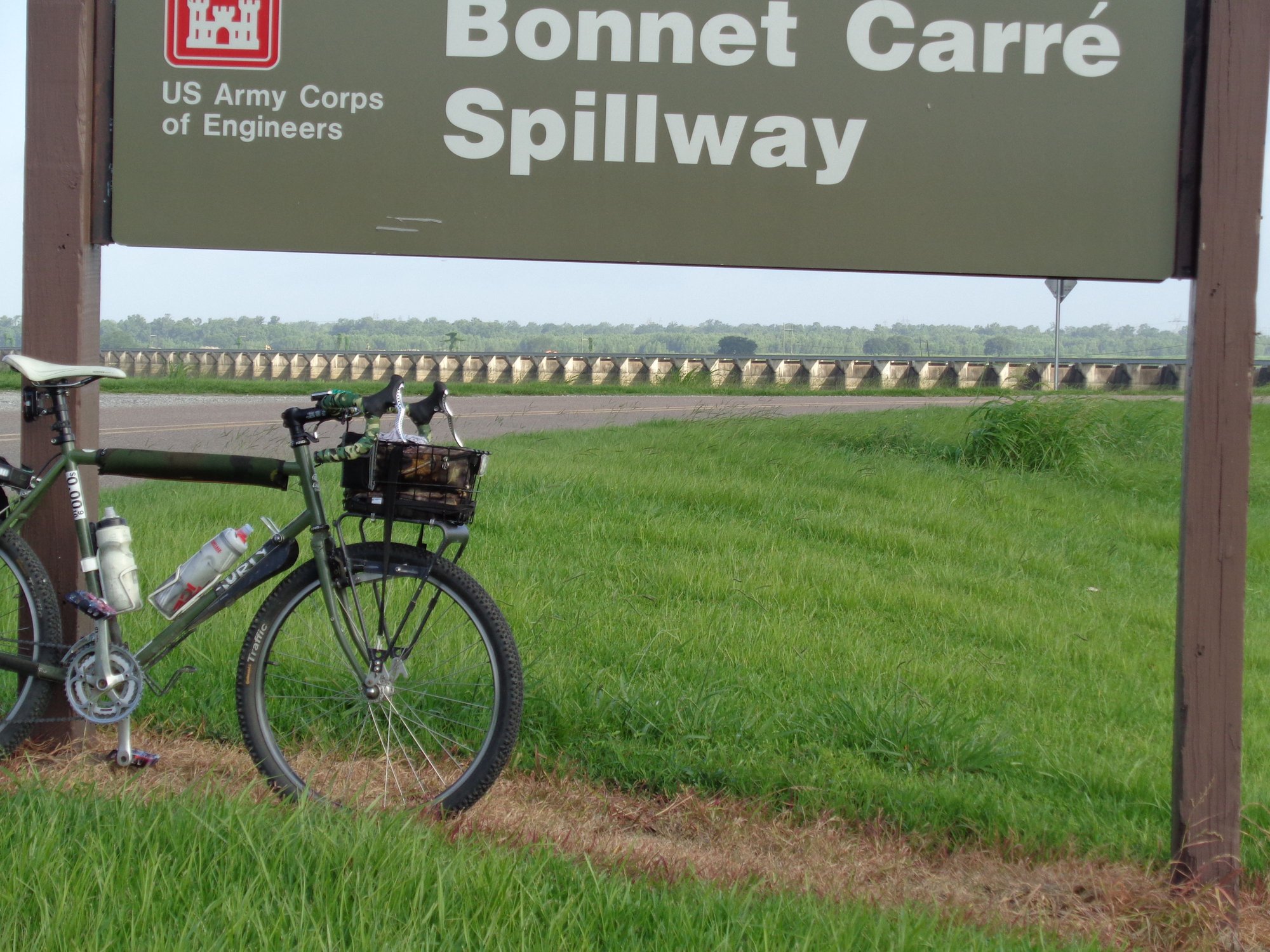
Long Haul Trucker with 2.1 Continental Traffic tires, drop bars, and downtube shifters. I have also done extensive touring on hard tail, rigid fork mountain bikes with flat bars and bar ends. Same type of tires.
12-10-18 | 02:58 PM
#11
-
Joined: Feb 2004
Posts: 3,865
Likes: 41
Bikes: yes!
Ok, this is awesome info and advice! The reason why I put the stem extender, b bars, and wanted a bike with short reach/tall stack is because I had hip surgery. The current setup keeps my hip angle open. As I rode the MRT, I actually started almost excluseively positioning my hands on the sides of the b bars, as front “grip” portion seemed way too short . So, as I am continuing to heal and gain flexibility, I could presumably have a slightly different setup.
The Cutthroat was the other bike LBS said would work given my injury parameters, but it was out of my price range. I suppose if it would accomplish future objectives, I could scrap and save to eventually get one.
Would there be any way to shorten reach of bike like the Troll, ECR using a different stem and something like Jones bars? Or you think it would be just better to go the route of a bike like Fargo/Cutthroat? I am not predisposed to any make, model, or tire width btw. The above poster who gave great advice on suspension bikes maybe misinterpreted that.
Thanks for all the advice and good eye with looking at my setup. As far as running 700x50 without fenders, I could try that…but man it seems like it would be a tight fit. Worth a shot though! I had Marathon plus 700x38's for my tour.
The Cutthroat was the other bike LBS said would work given my injury parameters, but it was out of my price range. I suppose if it would accomplish future objectives, I could scrap and save to eventually get one.
Would there be any way to shorten reach of bike like the Troll, ECR using a different stem and something like Jones bars? Or you think it would be just better to go the route of a bike like Fargo/Cutthroat? I am not predisposed to any make, model, or tire width btw. The above poster who gave great advice on suspension bikes maybe misinterpreted that.
Thanks for all the advice and good eye with looking at my setup. As far as running 700x50 without fenders, I could try that…but man it seems like it would be a tight fit. Worth a shot though! I had Marathon plus 700x38's for my tour.
Another way is handlebar, which is a method you already employ to shorten reach (trekking/butterfly bar). I can't compare Jones bar to your current trekking bar WRT reach, as I cannot locate geometry information for these bars. You may need to visit a bike shop with a Jones bar in stock so that you can physically compare to trekking bar to determine reach. From images they appear fairly close, so my guess is there may be no advantage reach-wise.
I suggested Fargo as it has short reach/high stack as a function of the frame design (i.e.geometry). Choosing a bike or frameset with longer reach and then reducing reach with stem & bar to achieve desired overall reach is feasible, but the likelihood of achieving this goal is greater with a bike/frameset with a shorter effective top tube (ETT), as in the case of Fargo or similar bikes intended for use with drop bars. Drop bar bikes need a shorter ETT to compensate for the greater reach distance of the drop style bar. MTBs intended for use with flat or riser style bars typically have longer ETT because flat bars have shorter reach distance than drop bar. Drop bars have a reach specification of 70-150mm in front of stem center, meaning hands in normal hoods position for easy/rapid brake/shifter actuation. MTB 5-degree flat or riser bars will locate hand grip position 10-30mm behind the stem center. ETT of the frame and stem length have to make up this difference to achieve acceptable fit for a given bicyclist.
You need a fairly long steerer tube and/or steep stem angle to approximate current Vaya handlebar height, possible only with aluminum and steel steerer tubes, as carbon fiber steerer tubes are usually limited to only 30-40mm of headset spacers. All versions of 2019 Fargo appear to be speced with an all-carbon fork, so if you choose Fargo then you may need an older Fargo or separately-purchased all-steel Firestarter fork, depending on desired handlebar height.
Although Fargo is a proven off-road tourer with fat tires and relatively high stack and short reach, it may not be the best candidate for your particular needs. Troll, ECR, KM and DT come with steel forks with steerer tube adequate for your bar height needs, when purchased as frameset (complete bikes may come with shorter steerer tube), but these Surly offerings appear less suited for you WRT ETT/reach/fit.
12-11-18 | 05:43 PM
#12
Thread Starter
Junior Member
Joined: Aug 2018
Posts: 24
Likes: 0
One typically shortens reach with shorter stem, so yes, obviously this is one way to shorten reach on a bike which has a bit too much reach for a good fit. How long is your current stem, and can you go shorter? I cannot estimate stem length from your picture in #1 . If you have a 100mm stem you can find plenty of stems down to 70-80mm, but if you have a 60mm stem there is not much reach-shortening possible.
Another way is handlebar, which is a method you already employ to shorten reach (trekking/butterfly bar). I can't compare Jones bar to your current trekking bar WRT reach, as I cannot locate geometry information for these bars. You may need to visit a bike shop with a Jones bar in stock so that you can physically compare to trekking bar to determine reach. From images they appear fairly close, so my guess is there may be no advantage reach-wise.
I suggested Fargo as it has short reach/high stack as a function of the frame design (i.e.geometry). Choosing a bike or frameset with longer reach and then reducing reach with stem & bar to achieve desired overall reach is feasible, but the likelihood of achieving this goal is greater with a bike/frameset with a shorter effective top tube (ETT), as in the case of Fargo or similar bikes intended for use with drop bars. Drop bar bikes need a shorter ETT to compensate for the greater reach distance of the drop style bar. MTBs intended for use with flat or riser style bars typically have longer ETT because flat bars have shorter reach distance than drop bar. Drop bars have a reach specification of 70-150mm in front of stem center, meaning hands in normal hoods position for easy/rapid brake/shifter actuation. MTB 5-degree flat or riser bars will locate hand grip position 10-30mm behind the stem center. ETT of the frame and stem length have to make up this difference to achieve acceptable fit for a given bicyclist.
You need a fairly long steerer tube and/or steep stem angle to approximate current Vaya handlebar height, possible only with aluminum and steel steerer tubes, as carbon fiber steerer tubes are usually limited to only 30-40mm of headset spacers. All versions of 2019 Fargo appear to be speced with an all-carbon fork, so if you choose Fargo then you may need an older Fargo or separately-purchased all-steel Firestarter fork, depending on desired handlebar height.
Although Fargo is a proven off-road tourer with fat tires and relatively high stack and short reach, it may not be the best candidate for your particular needs. Troll, ECR, KM and DT come with steel forks with steerer tube adequate for your bar height needs, when purchased as frameset (complete bikes may come with shorter steerer tube), but these Surly offerings appear less suited for you WRT ETT/reach/fit.
Another way is handlebar, which is a method you already employ to shorten reach (trekking/butterfly bar). I can't compare Jones bar to your current trekking bar WRT reach, as I cannot locate geometry information for these bars. You may need to visit a bike shop with a Jones bar in stock so that you can physically compare to trekking bar to determine reach. From images they appear fairly close, so my guess is there may be no advantage reach-wise.
I suggested Fargo as it has short reach/high stack as a function of the frame design (i.e.geometry). Choosing a bike or frameset with longer reach and then reducing reach with stem & bar to achieve desired overall reach is feasible, but the likelihood of achieving this goal is greater with a bike/frameset with a shorter effective top tube (ETT), as in the case of Fargo or similar bikes intended for use with drop bars. Drop bar bikes need a shorter ETT to compensate for the greater reach distance of the drop style bar. MTBs intended for use with flat or riser style bars typically have longer ETT because flat bars have shorter reach distance than drop bar. Drop bars have a reach specification of 70-150mm in front of stem center, meaning hands in normal hoods position for easy/rapid brake/shifter actuation. MTB 5-degree flat or riser bars will locate hand grip position 10-30mm behind the stem center. ETT of the frame and stem length have to make up this difference to achieve acceptable fit for a given bicyclist.
You need a fairly long steerer tube and/or steep stem angle to approximate current Vaya handlebar height, possible only with aluminum and steel steerer tubes, as carbon fiber steerer tubes are usually limited to only 30-40mm of headset spacers. All versions of 2019 Fargo appear to be speced with an all-carbon fork, so if you choose Fargo then you may need an older Fargo or separately-purchased all-steel Firestarter fork, depending on desired handlebar height.
Although Fargo is a proven off-road tourer with fat tires and relatively high stack and short reach, it may not be the best candidate for your particular needs. Troll, ECR, KM and DT come with steel forks with steerer tube adequate for your bar height needs, when purchased as frameset (complete bikes may come with shorter steerer tube), but these Surly offerings appear less suited for you WRT ETT/reach/fit.
It's just very confusing with my lack of knowledge and all the mountain bike choices. It's like "a 27.5x3.0 tire will work for the Baja Divide...but a carbon 29er with 29 x2.2 and suspension is good for the GDMBR...but X bike is good for this." I totally realize there is not one perfect jack of all trades bike. But, it would be nice to find a mountain bike that may be versatile enough to do all these things "ok." I believe I have found that in my Vaya for road based pavement and light gravel applications.
Last edited by feldy0084; 12-11-18 at 05:48 PM.

Thread
Thread Starter
Forum
Replies
Last Post
chaadster
Cyclocross and Gravelbiking (Recreational)
26
12-16-15 05:41 AM
